


Obamacare across the web
on November 13, 2013
5 Comments
It was a busy day yesterday for Obamacare news, especially as today’s hearing with healthcare.gov IT officials on the Hill has approached. We’ve collected a small sampling of the day's stories:
As the administration prepares to release enrollment numbers later this week, CNN reported the White House lowers Obamacare expectations amid lackluster reports:
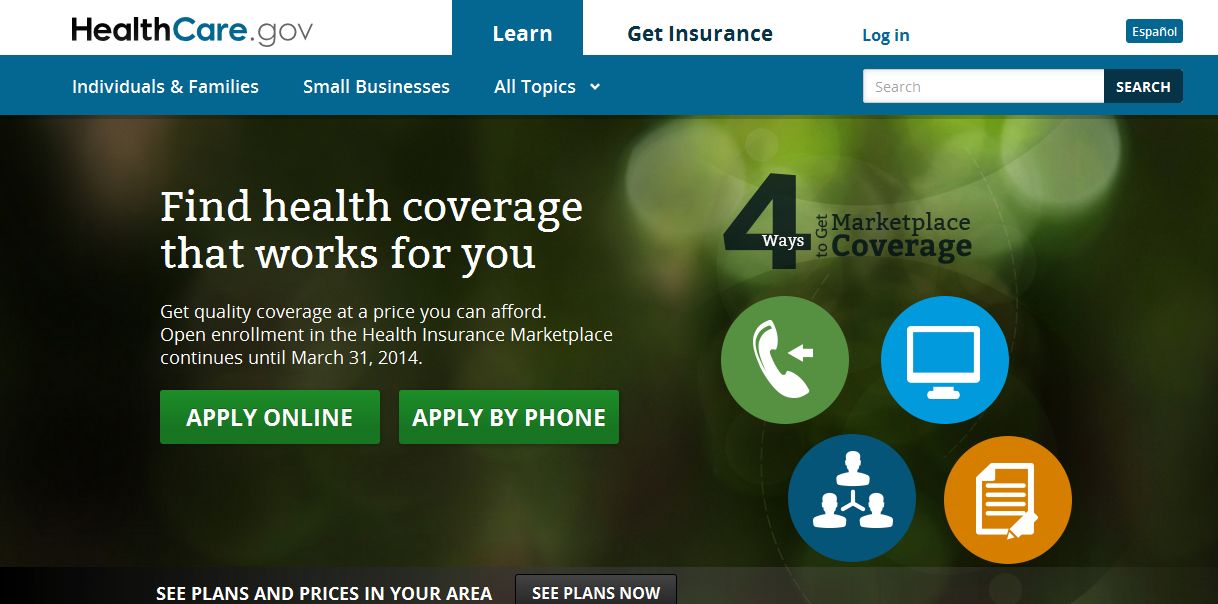
The administration is lowering expectations, cautioning the numbers "will be lower than we hoped and we anticipated," White House spokesman Jay Carney said on Tuesday. It is blaming a faulty federally run website that is hindering the ability of consumers to sign up for coverage. "We are working 24-7 to ensure that the site is working smoothly for the vast majority of users by the end of November," said Chris Jennings, deputy assistant to the President for health policy. Unofficial numbers have been calculated, however, and it is estimated that 50,000 people successfully signed up for health coverage through the federal Obamacare website, HealthCare.gov, during the first five weeks of open enrollment, the Wall Street Journal reported on Monday. That number falls well short of expectations for the period.As Professor Jacobson noted the other night in highlighting a Washington Post report, the administration will include in its enrollment numbers those who have a plan in their “cart” but haven’t yet paid for it. Obviously, the pressure is on to increase enrollments and quell some of the noise.