

Coming soon: Executive action freed from electoral concerns
on October 12, 2014
6 Comments
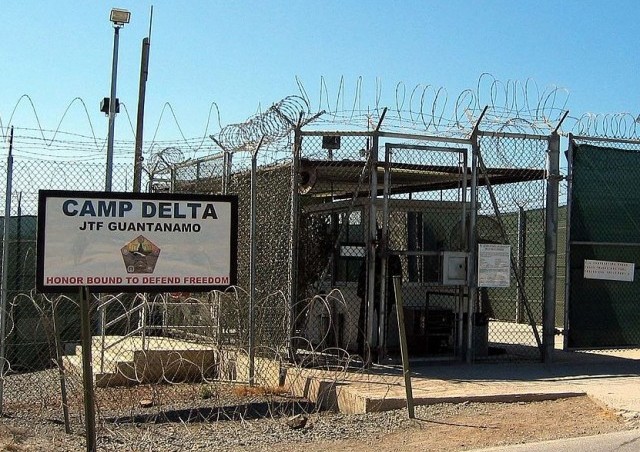
Last week, the Wall Street Journal released a report on Barack Obama's latest push to fulfill his most famous campaign promise---achieving the permanent closure of U.S. detention facilities at Guantanamo Bay, Cuba.
Senior administration officials are saying that the President is serious about coming through on the Gitmo closure, and is considering taking executive action to get the job done. The Wall Street Journal's report reveals Obama's two most likely routes to bypass Congress:
He could veto the annual bill setting military policy, known as the National Defense Authorization Act, in which the ban on transferring detainees to the U.S. is written. While the veto wouldn’t directly affect military funding, such a high-stakes confrontation with Congress carries significant political risks. A second option would be for Mr. Obama to sign the bill while declaring restrictions on the transfer of Guantanamo prisoners an infringement of his powers as commander in chief, as he has done previously. Presidents of both parties have used such signing statements to clarify their understanding of legislative measures or put Congress on notice that they wouldn’t comply with provisions they consider infringements of executive power.Similar efforts are likely on immigration, "climate change" and other areas where Obama is unable to obtain congressional approval. Whichever option he chooses, he's sure to meet with political backlash that won't be limited to anger at the White House. Although the 2014 midterms will be behind us by the time the President makes the choice to act, the use of executive action on the issue could have a detrimental effect on democrats seeking election (or re-election) in 2016.