According to its mission statement, the Environmental Protection Agency acts is protect human health and to safeguard the natural environment.
However, since its formation in 1970, the statement may have secretly been amended to include that the agency must also
want to go out on a limb for that area. It is at least one explanation for the
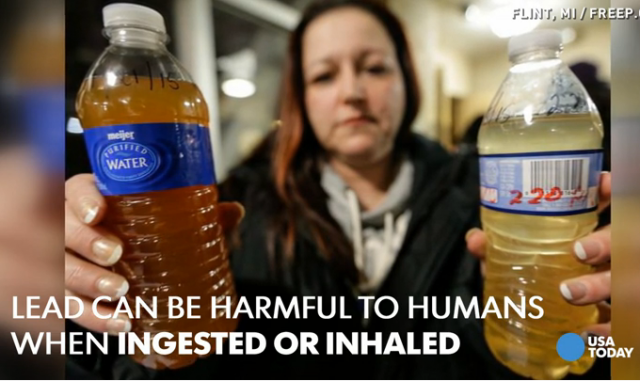
EPA Inspector General indicating that the organization acted too slowly to address the lead contamination discovered in the Flint, Michigan water supply.
The U.S. Environmental Protection Agency had the authority and information to take decisive action on the lead contamination of Flint's drinking water in June of 2015 -- seven months before it actually acted, a federal watchdog said Thursday.
The Office of Inspector General for the EPA said the agency should have issued an emergency order to protect Flint residents from the contaminated water in the summer of 2015. The EPA didn't issue such an order until Jan. 21 of this year.