

How Kerry Demonstrated His Contempt For Congress
on August 19, 2015
25 Comments
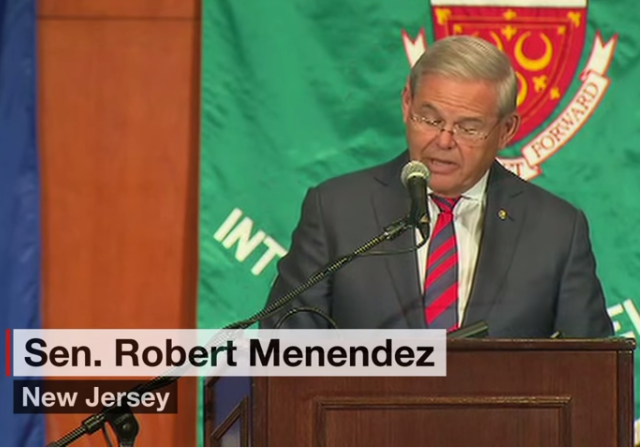
By now, Sen. Jeff Flake's (R - Ariz.) announcement that he will oppose the Joint Comprehensive Plan of Action (JCPOA) has been overshadowed by Sen. Robert Menendez' (D - N.J.) Tuesday announcement of his opposition.
Still, I'd like to revisit Flake's announcement because he was viewed by the administration, in the words of one report, as a "gettable" Republican. With Flake's announcement it now appears that President Barack Obama will not be able to claim bipartisan support for the JCPOA.
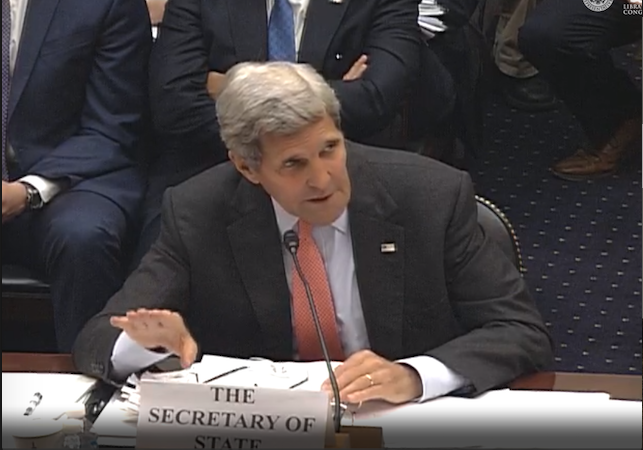
I don't know how "gettable," Flake was. To be sure, at the July 23 Senate Foreign Relations hearing Flake was much less adversarial than most other Republicans on the committee, and that played a role in maintaining the impression that he perhaps looked favorably upon the deal. He also was less adversarial than Menendez.
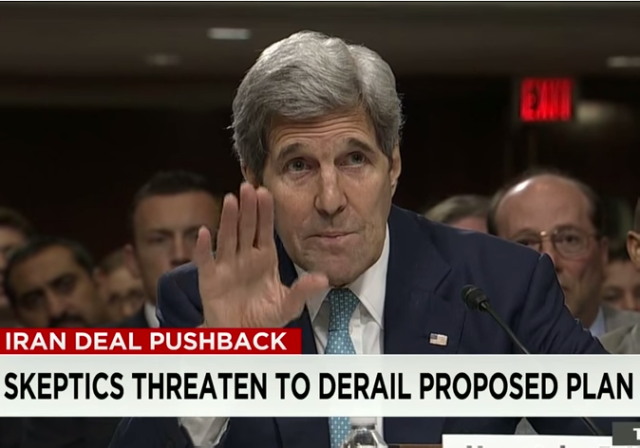
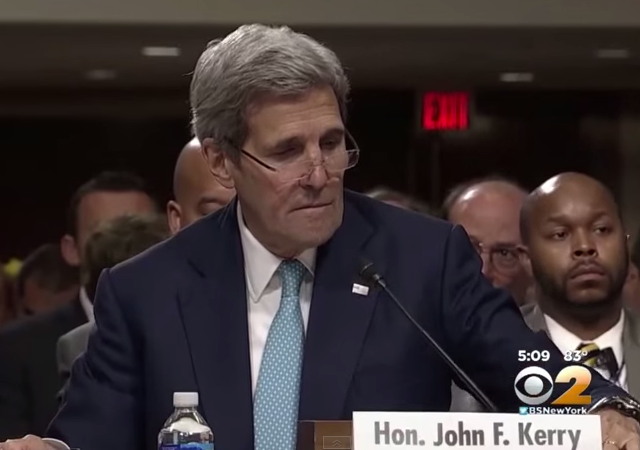
However, he asked Kerry some very solid questions and Kerry's responses were awful. How awful? Early in his question and answer session Flake asked Kerry about language in the JCPOA that allowed Iran to opt out if sanctions were re-imposed.