

Image 01 Image 03

Iran Nuclear Deal Tag

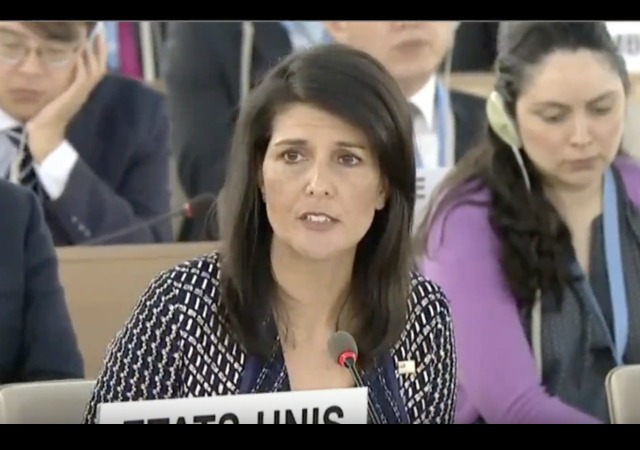
U.S. Ambassador to the United Nations Nikki Haley met with the International Atomic Energy Agency (IAEA) in Vienna, Austria, to discuss U.S. concerns about the Iran nuclear deal. To make matters worse, Iranian officials have warned the inspectors at the IAEA not to share any information with Haley.
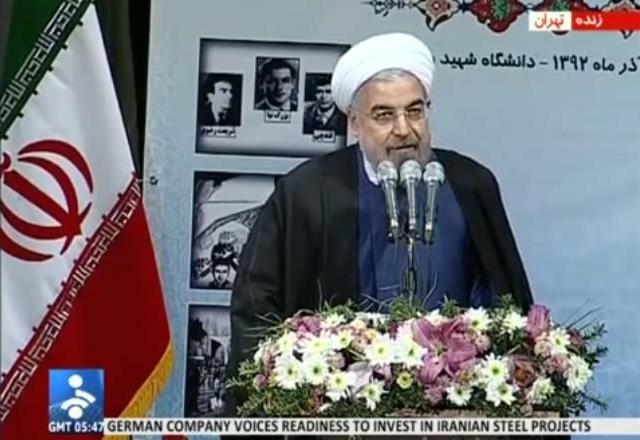
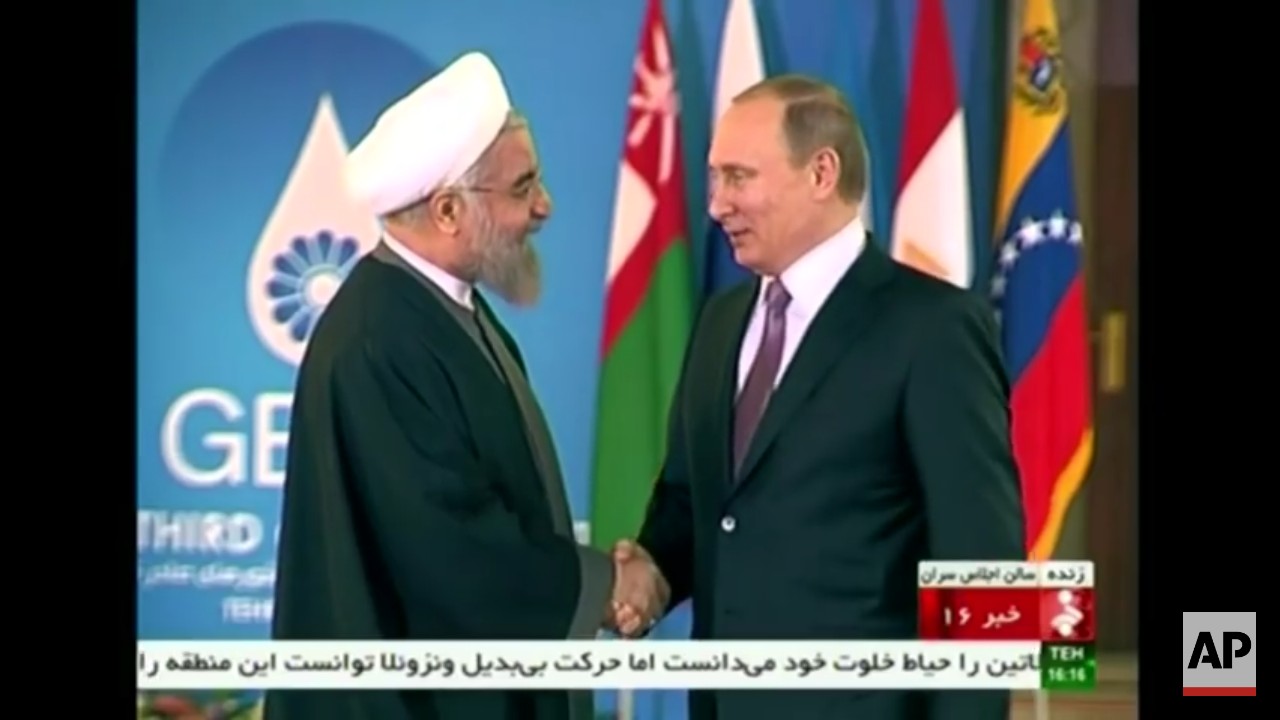
Did anyone honestly think Iran would not try to find a way to restart its nuclear program? Iranian President Hassan Rouhani threatened that the country would restart the program if the U.S. imposes more sanctions. From The New York Times:
Mr. Rouhani said that a reconstituted nuclear program would be “far more advanced,” a veiled threat that the country could start enriching uranium up to the level of 20 percent, a step toward building a nuclear weapon. Such enrichment activities were a major concern before 2015, when Tehran signed a landmark agreement with the United States and other world powers that lifted crippling economic sanctions in return for severe limits on Iran’s nuclear activities.

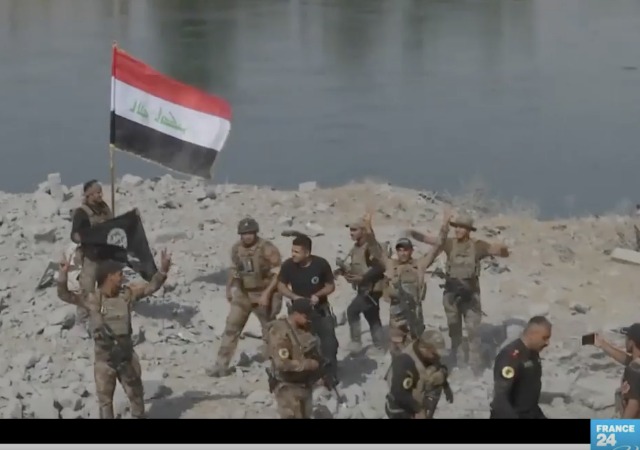
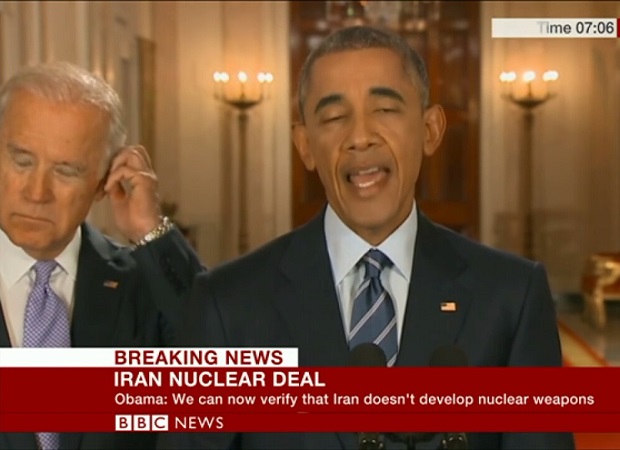
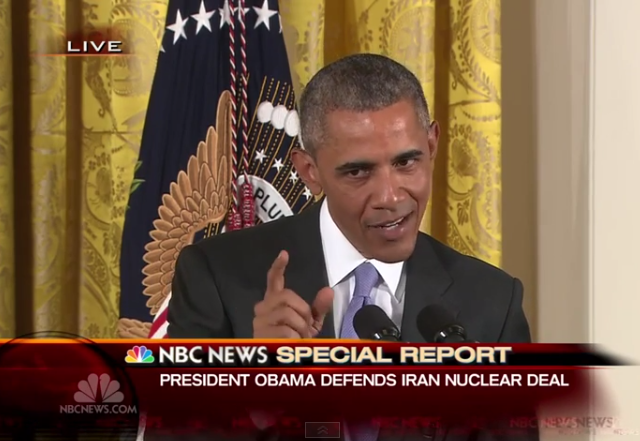
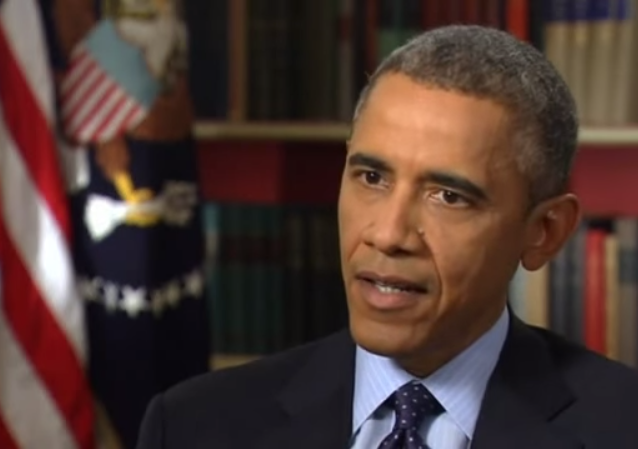
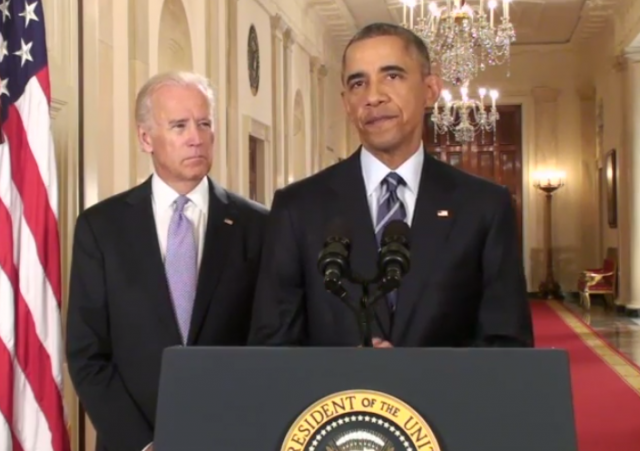
Two years ago, former President Barack Obama agreed to the Iran Nuclear Deal and told The New York Times that "Iran will be and should be a regional power." He also said that Iran has "that ability now to take some decisive steps to move toward a more constructive relationship with the world community." Obama encouraged Iranian leaders "to seize that opportunity." Well, Obama, you got your wish. Iran seized that opportunity and has taken over Iraq. Goods from Iran fill up the Iraqi markets. Not to mention that Iranian militias had a hand in dispelling ISIS from Mosul and other areas.

Just when you thought Obama's disastrous Iran deal couldn't get any worse, we learn that in order to protect the bad deal, Obama systematically disbanded units investigating Iran's terror-funding networks.  Not only that, but he also disbanded units investigating the state funding of terrorists by Syria and Venezuela. The Washington Free Beacon reports:
The Obama administration "systematically disbanded" law enforcement investigative units across the federal government focused on disrupting Iranian, Syrian, and Venezuelan terrorism financing networks out of concern the work could cause friction with Iranian officials and scuttle the nuclear deal with Iran, according to a former U.S. official who spent decades dismantling terrorist financial networks.

I appeared on The Tony Katz Show in Indianapolis to discuss the Iran Nuclear deal in light of a Politico report, Obama’s hidden Iran deal giveaway. The Politico report describes the Obama administration deception on a prisoner swap that secretly was part of the Iran nuclear deal. We reported in January 2016 that the Iranian prisoners released were not low level, Here’s who Iran is getting back in prisoner swap. Here is a partial transcript of my interview, via Tony's website:

The Iranian Nuclear Deal included many pieces, but one of the least reported items of the deal has been the prisoner swap. Iran agreed to release four Americans while we handed over seven prisoners and dropped charges and investigations against 14 others. Professor Jacobson profiled these prisoners after the exchange occurred. But a Politico investigation has revealed the anger and frustration within former President Barack Obama's administration over the release of these men:
“They didn’t just dismiss a bunch of innocent business guys,” said one former federal law enforcement supervisor centrally involved in the hunt for Iranian arms traffickers and nuclear smugglers. “And then they didn’t give a full story of it.”

The Treasury Department has announced new sanctions against Iran after the regime performed a ballistic missile test earlier this week. From CNN:
The Treasury Department said it was sanctioning individuals and companies connected to Iran's ballistic missile program and those providing support to Iran's Islamic Revolutionary Guard Corps' Qods Force.

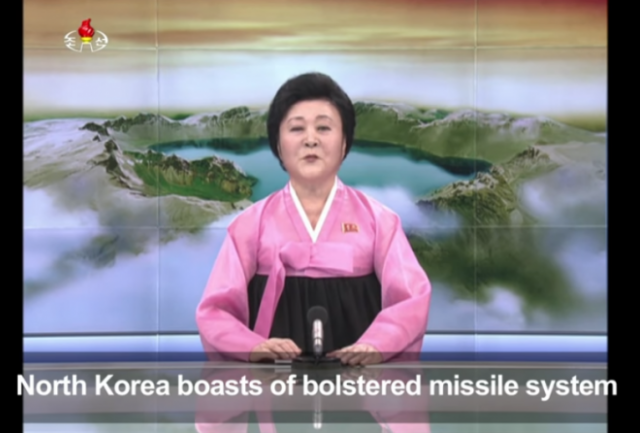
In a New Year's announcement, North Korean dictator Kim Jung Un stated that his nation was on the verge of launching its first intercontinental ballistic missile (ICBM) - a missile capable of both carrying a nuclear warhead and reaching the United States. This threat could President-elect Donald Trump's first major foreign policy challenge, coming as it does after nuclear bomb tests of varying success by the North Koreans.

President Barack Obama's legacy at the UN will be marked by the year 2016. The year was bookmarked by the passage of UN Security Council resolution 2231 in January, giving U.N. authority to the Iran Nuclear Deal, and resolution 2334 last week, purporting to declare illegal the presence of Jews in areas in which form a key part of Jewish history. In the case of the Iran deal, the United States led the Security Council and voted for the resolution enshrining the nuclear deal into what passes for international law. In the case of the more recent resolution, the United States abstained, according to some incoherent reasons spouted by US Ambassador Samantha Power, but it looks like, as Israeli Prime Minister Benjamin Netanyahu charges, that Obama orchestrated it. (Yesterday, Netanyahu spokesman David Keyes charged that Israel had "ironclad information" that Obama was indeed behind the maneuver.)

The media is all consumed with fat-shaming and Trump's 2005 comments. In the meantime, the Obama administration further proved that the Iranian nuclear deal was misrepresented to the public and that it was about empowering Iran as a regional power. The AP reports, US further eases Iran sanctions after nuclear deal (h/t Jonathan Schanzer Twitter):
The Obama administration is further easing sanctions on Iran, making it easier for foreign firms to do business with the country following last year's nuclear deal.

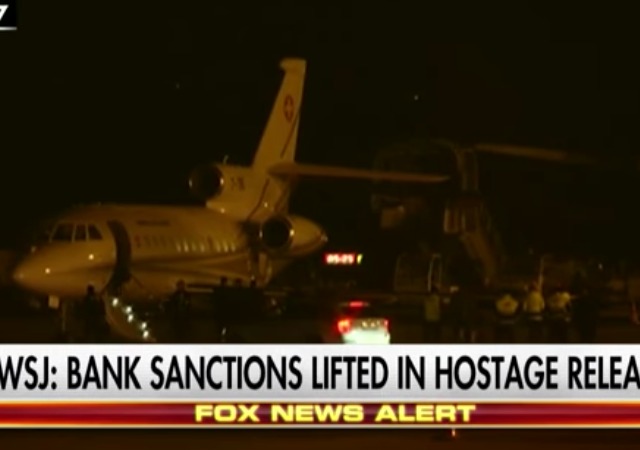
The controversy with the American prisoner release by Iran continues to grow as The Wall Street Journal reports the Obama administration agreed to lift sanctions on the same day of the release:
The U.N. Security Council’s delisting of the two banks, Bank Sepah and Bank Sepah International, was part of a package of tightly scripted agreements—the others were a controversial prisoner swap and transfer of $1.7 billion in cash to Iran—that were finalized between the U.S. and Iran on Jan. 17, the day the Americans were freed.

Obama administration will be allowing plane makers Airbus and Boeing to sell jetliners to Iran, clearing the way for one of the most high-profile business deals since the lifting of nuclear sanction on Islamic Republic earlier this year. The easing of commercial restrictions is part of President Obama-led initiative to reward Iran for signing a Nuclear Agreement in July last year. According to U.S. Treasury's own assessment, as early as March 2016, Iran's civilian airliners were being used to illegally transport terrorist combatants and arms shipment in conflict zones across the Middle East. Iran's state-controlled airlines are not regular commercial operations geared towards customer satisfaction, but are made to carry out regime-sanctioned covert operations to arm and replenish the ranks of Syrian army, Hezbollah and other terrorist outfits under the guise their commercial flights -- coordinated by Iran's mafia-like Shia-Islamist ‘Revolutionary Guards’.

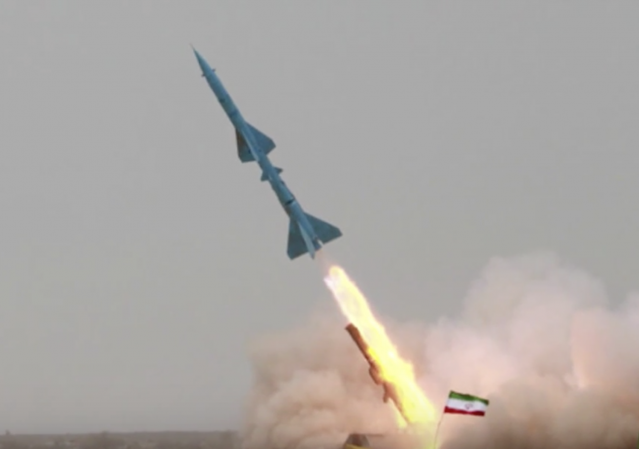
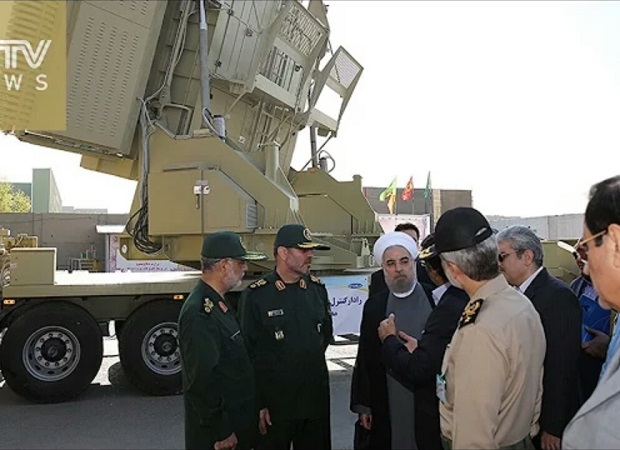
Iran has deployed the Russian-made S-300 missile system to fortify its underground nuclear facility at Fordo. Tehran’s decision to deploy the missile system at the site should set alarm bells ringing for the Obama administration. Prior to the Nuclear Deal, the installation at Fordo was used by Iran to enrich Uranium, vital component for building a nuclear bomb. The enrichment process was to be halted at the location under the Obama-sponsored agreement. According the deal, Iran was required to repurpose the centrifuges at Fordo and turn one of its major nuclear installation into a ‘medical research facility’, dedicated to ‘medical imaging’. Deploying missile system that fires rockets twice as big as the average patriot missiles, makes Iran's Fordo clearly the best protected 'medical facility' in the world. For those waiting to hear the thunderous sound of that ‘snap back’ promised by President Obama in the run-up the Iran Deal -- please don't hold your breath.

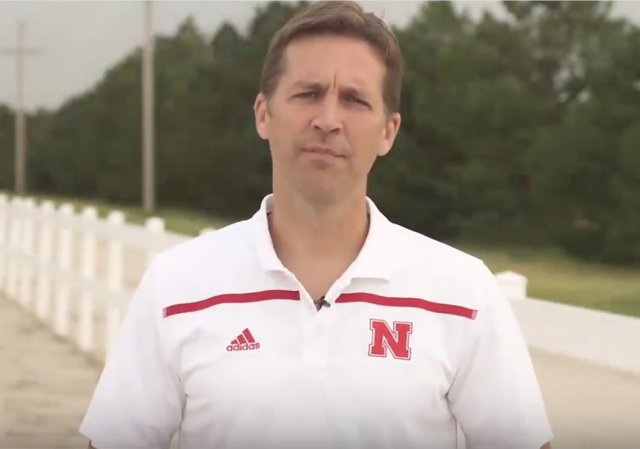
Sen. Ben Sasse is not impressed with the Obama Administration's latest spin on the Iran Deal. Earlier this week, the Republican Senator from Nebraska threw down some real talk on the much touted Iran Deal. "The Iran Deal is the Obama Administration's greatest victory in its ongoing war against facts," Sen. Sasse begins. In two minutes, Sasse picks apart three of the biggest Iran Deal lies.

Since the revelation that the Obama Administration forked over $400 million to Iran in exchange for right around the time American hostages were released, speculation that the cash was a ransom payment has dogged the administration and the Justice Department. Timing is everything, especially in determining what really went down. New reports suggest the $400 million was held until after the Americans were released from Iranian custody, making the whole ordeal look an awful lot like a ransom payment and subsequent prisoner release. The Obama Administration denied the payment was ransom, but said it was part of $1.7 billion settlement from 1979.