

Egypt protests as ex-Pres Mubarak cleared of murder charges
on December 01, 2014
3 Comments
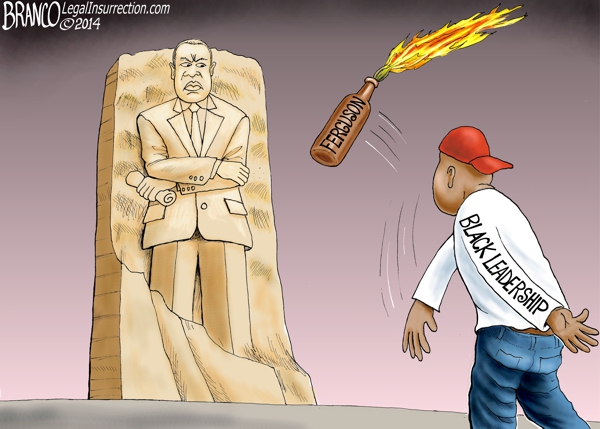
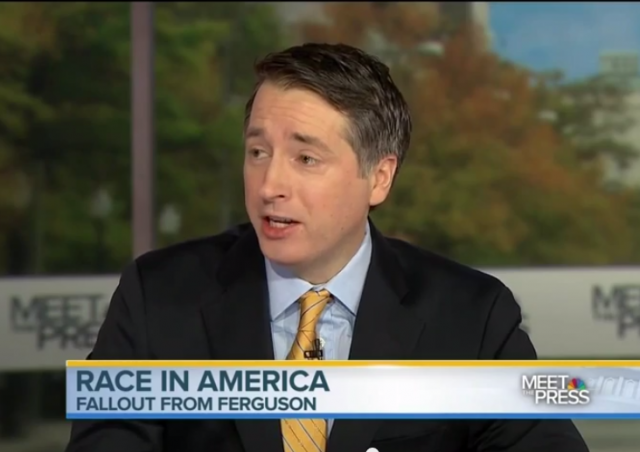
It looks like Ferguson isn't the only place experiencing violent protests in the wake of a controversial legal decision.
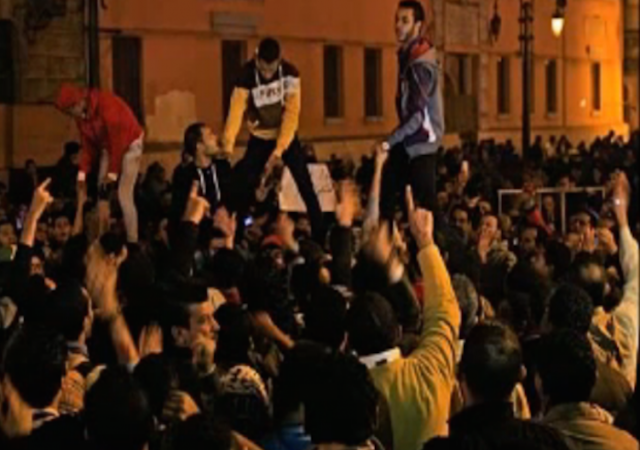
In Cairo, crowds erupted when Egypt's former President Hosni Mubarak was cleared of murder charges.
Egyptian police have used tear gas to disperse protesters angry that charges against ex-President Hosni Mubarak over killings during the uprising three years ago have been dropped. About 2,000 people massed in Cairo's Tahrir Square, the birthplace of the 2011 revolution. At least one person was reported killed in the clashes. Mubarak was originally sentenced to life in jail then cleared in a retrial. In a TV interview after the ruling, Mubarak said he did "nothing wrong". The former president, 86, is serving a separate three-year sentence for embezzlement of public funds.A video report shows the scale of the demonstrations, and indicates Mubarak may be released early, after serving two-thirds of his corruption sentence. Egypt's current leader is trying to calm the storm.
Egypt's President Abdel Fattah al-Sisi stressed on Sunday that "the new Egypt, born after the January 25 and the June 30 revolutions … cannot move backwards," in a statement issued in reaction to the acquittal of former President Hosni Mubarak.