Image 01 Image 03

Iran Nuclear Deal Tag

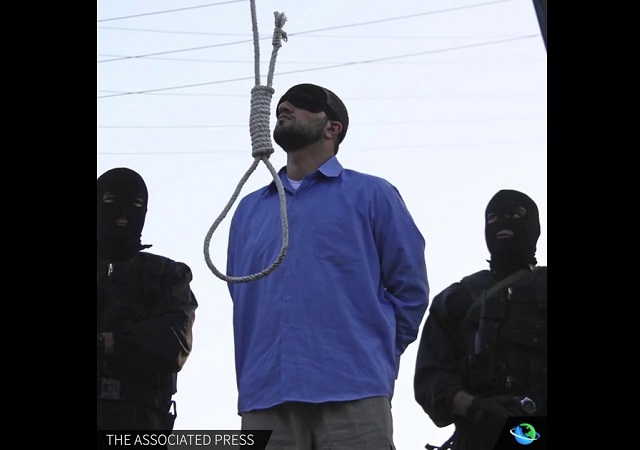
German authorities allowed a top Iranian cleric accused of mass murder to flee the country on Thursday. The decision came despite formal requests from leading exiled Iranian groups calling for the cleric to face justice. Ayatollah Mahmoud Shahroudi, the 69-year-old Mullah touted as the successor to Iran's all-powerful theocratic dictator Ali Khamenei, came to Germany for treatment at the clinic of an Iranian-German neurosurgeon when exiled Iranian dissidents referred him to German prosecutors, citing his record of running Islamic courts, where he presided over the killing of thousands of Iranians. The leading German tabloid Bild Zeitung ran the headline "Death Judge In Iran, Luxury Patient In Germany,"  covering Shahroudi's stay in the country.

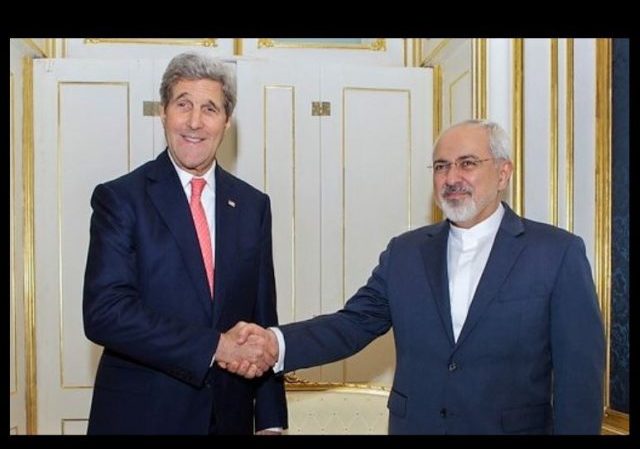
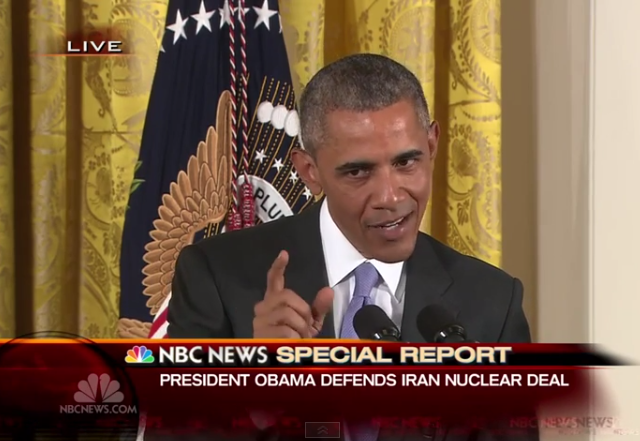
One of the predicted outcomes of the nuclear deal with Iran, contrary to what President Barack Obama claimed, is that it would strengthen the hands of Supreme Leader Ayatollah Ali Khamenei and the Islamic Revolutionary Guard Corps, the "hardliners" in the regime. (I don't believe there are moderates in the regime. It is a revolutionary regime that seeks to export its ideology across the region. President Hassan Rouhani would not have been allowed to compete or win if he did not subscribe to the same ideologies as the hardliners.) Rather than opening up or liberalizing Iran, the deal was correctly predicted to lead to further repression.

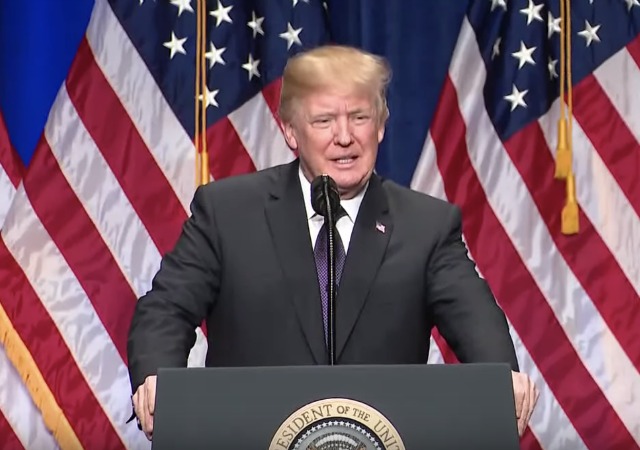
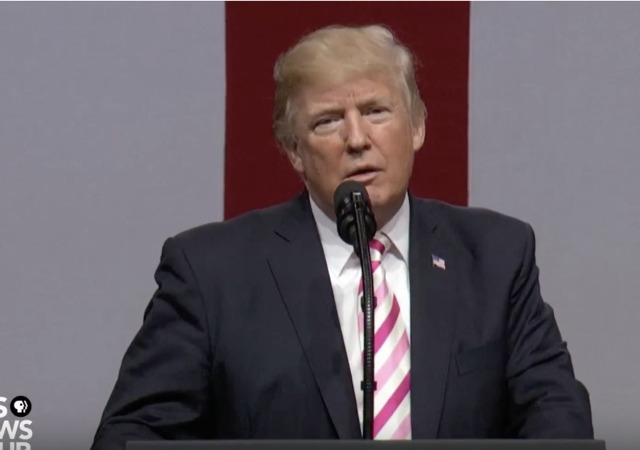
Politico has reported that President Donald Trump has decided to extend the Iran nuclear deal. He stated, though, this will be his last waiver "unless the deal is strengthened by Congress and European allies." Politico continued:
Trump faced a Friday deadline to decide whether to reimpose economic sanctions on Iran the U.S suspended as part of a 2015 nuclear agreement negotiated with Tehran by the Obama administration and five other nations.

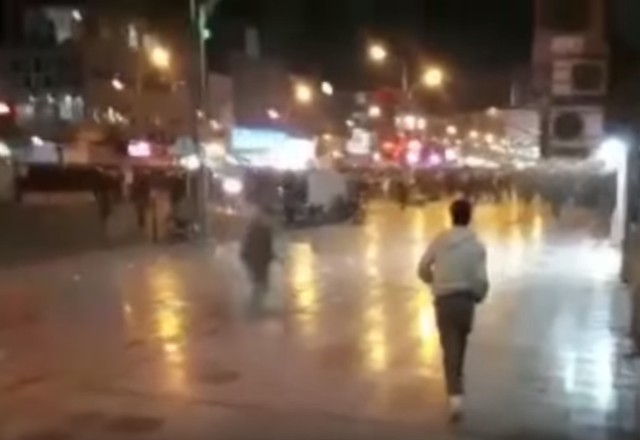
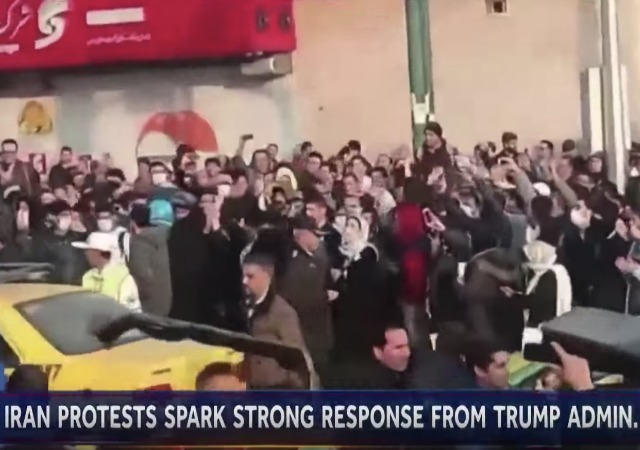
For almost a week, Iranians have been protesting against their oppressive regime. The demonstrations have been unfolding on social media since Iran has no free press and the state press have been told not to report on it. For some odd reason, officials from President Barack Obama's administration have advised people to ignore this uprising. Gee, could it be because their celebrated Iranian nuclear deal looks REALLY bad now? That deal was supposedly the most important foreign policy decision during the administration.

Fox News reports that Attorney General Jeff Sessions has decide to open a formal investigation into whether the Obama administration interference in law enforcement attempts to shut down a Hezbollah international criminal ring running drugs into the U.S. This arises out of Politico investigation into Project Cassandra, which we covered in our post, Obama allowed Hezbollah cocaine running into U.S. in quest for Iran nuke deal. See that post for the details, but here’s the top line from the Politico reporter Josh Meyer:

Politico Magazine published an extensive investigative report by Josh Meyer regarding Obama administration interference in law enforcement efforts to take down the Hezbollah international criminal network in order to appease Iran during the nuclear deal negotations. We covered the Politico investigation in our post, Obama allowed Hezbollah cocaine running into U.S. in quest for Iran nuke deal. See that post for the details, but here's the top line from Meyer:

So far there is near silence from the mainstream media about the blockbuster Politico Magazine investigative report on how the Obama administration from the top down interfered with U.S. law enforcement efforts to take down Hezbollah's drug running of cocaine into the U.S. in order to facilitate the Iran nuclear deal. I summarized the Politico findings in my post, Obama allowed Hezbollah cocaine running into U.S. in quest for Iran nuke deal.

In 2014, cocaine was second only behind heroin in U.S. drug deaths. A major player in the cocaine traffic into the U.S. was the Iranian-sponsored terrorist group Hezbollah. For year it has been known that Hezbollah has infiltrated criminal gangs in South America and set up its own billion-dollar international criminal enterprise to finance its terror activities. None of this was a secret.

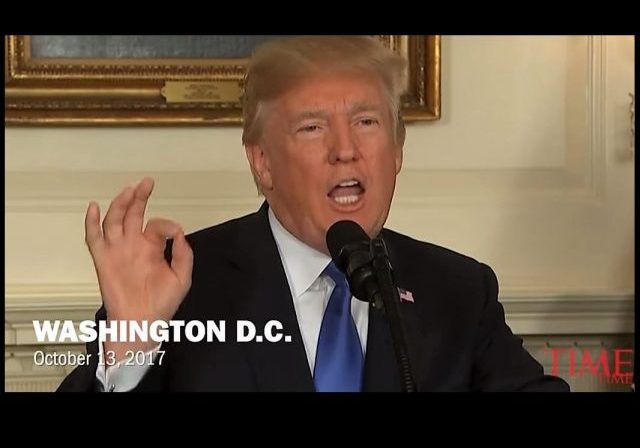
In a statement Friday, President Donald Trump said that "based on the factual record I have put forward, I am announcing today that we cannot and will not make this certification," of the nuclear deal with Iran. In accordance with the Iran Nuclear Agreement Review Act (or Corker-Cardin Bill), Congress now has 60 days to fix terms of the deal - the sunset clauses that allow Iran to ramp up its nuclear program after the accord expires, its ballistic missile program - that Trump is demanding are addressed. If Congress does not act, Trump said "the agreement will be terminated." Trump's remarks were not limited to the nuclear deal but are part of an overall refocus of American strategy towards Iran, which were laid out elsewhere on the White House website.

Not just former US President Obama, Chancellor Merkel of Germany, too, regards the nuclear deal with Iran as her greatest diplomatic accomplishment. The prominent German newspaper Süddeutsche Zeitung summed up the central role played by the Merkel government, writing, "Among all the parties working to bring about a negotiated deal, Germans enjoyed [Iranian regime's] special trust." Corporate Germany loved the deal too. The Bavaria Chamber of Commerce, the leading trade body in the country, told its clients ahead of the deal that the "German media landscape across the board agrees that lucrative deals worth billions are waiting to be made in Iran. As soon as the sanction are lifted, the run on the markets begins."

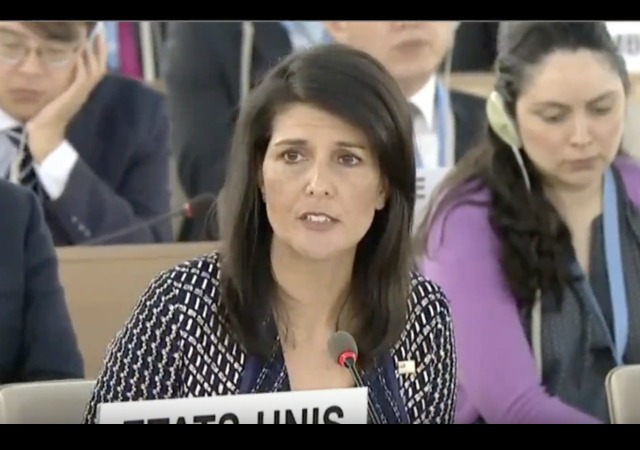
Will President Donald Trump certify the Iran nuclear deal made under former President Barack Obama? That may not happen now since U.S. Ambassador to the UN Nikki Haley has accused Russia of protecting Iran from nuclear inspections that are crucial to the deal. From Fox News:
U.S. Ambassador to the U.N. Nikki Haley indicated Thursday that Russia was shielding Iran by blocking the International Atomic Energy Agency (IAEA) from verifying part of the deal. The IAEA initially revealed the news to a reporter in a Q&A. Meanwhile, under a requirement from Congress, Trump must choose whether to certify the deal by October 15.

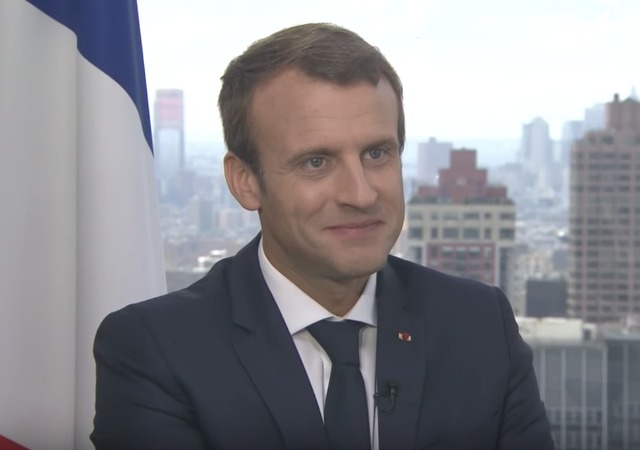
French President Emmanuel Macron said that the nuclear deal with Iran is not enough to keep pressure on the regime since officials continue with ballistic missile tests and still try to bully regions around it. From Reuters:
“Is this agreement enough? No. It is not, given the evolution of the regional situation and increasing pressure that Iran is exerting on the region, and given increased activity by Iran on the ballistic level since the accord,” Macron told reporters in New York.

U.S. Ambassador to the United Nations Nikki Haley met with the International Atomic Energy Agency (IAEA) in Vienna, Austria, to discuss U.S. concerns about the Iran nuclear deal. To make matters worse, Iranian officials have warned the inspectors at the IAEA not to share any information with Haley.

Did anyone honestly think Iran would not try to find a way to restart its nuclear program? Iranian President Hassan Rouhani threatened that the country would restart the program if the U.S. imposes more sanctions. From The New York Times:
Mr. Rouhani said that a reconstituted nuclear program would be “far more advanced,” a veiled threat that the country could start enriching uranium up to the level of 20 percent, a step toward building a nuclear weapon. Such enrichment activities were a major concern before 2015, when Tehran signed a landmark agreement with the United States and other world powers that lifted crippling economic sanctions in return for severe limits on Iran’s nuclear activities.