

Image 01 Image 03

Israel Tag

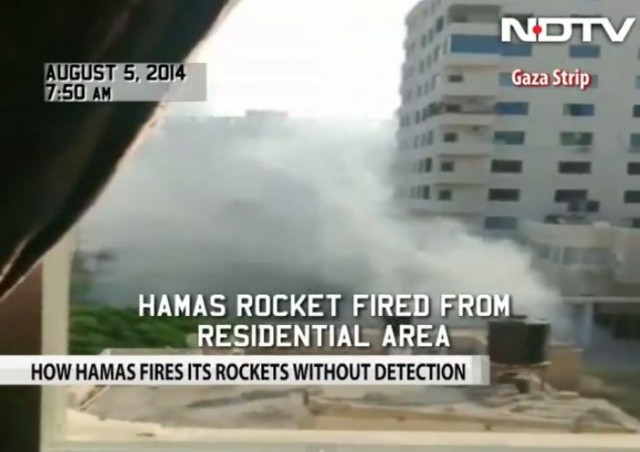
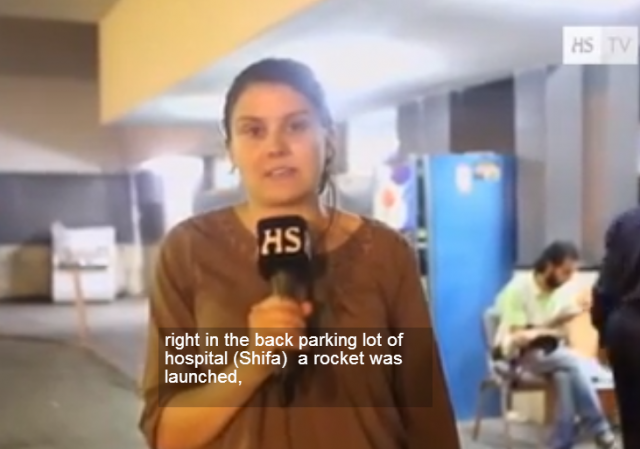
It's too late to undo the massive propaganda campaign surrounding the 2014 Gaza conflict, which Israel called Operation Protective Edge. False statistics about civilian casualties were put out by Hamas ministries and then adopted without question by the UN, "human rights" groups, and the media to create the narrative that "most" or "almost all" or the "vast majority" of deaths were civilian. Critics of Israel have yet to explain how Israel was supposed to stop Hamas from firing rockets, tunneling under the border, or landing commandos by sea without firing into the civilian areas from which Hamas was operating. During the 2014 Gaza conflict, we covered the deliberate Hamas tactic of firing from civilian areas (including those next to hospitals and apartments,) as well as how Hamas used the main Gaza hospital as a military headquarters. Almost all of this was covered up by the media: http://youtu.be/Nu-e5qWXx-k Round two in the propaganda war against Israel will take place this week, when the U.N. Human Rights Council releases its report on alleged Israeli war crimes. The UNHCR is the body completely obsessed with Israel.
I was a guest Tuesday morning on The Tony Katz Show on WICB Indianapolis. The topic was the Zivotofsky case discussed earlier this week, Supreme Court Overturns Congress on Jerusalem Passport Law. I made the point that while the majority decision purported to make the decision very narrow, it's likely that the decision would be used to try to limit Congressional legislation more broadly as relates to foreign policy: Professor Eugene Kontorovich expresses a similar view, writing at ScotusBlog (via Volokh Conspiracy):

The Supreme Court decided the much-anticipated Zivotofsky case, involving a congressional law which permitted American citizens born in Jerusalem to choose to list "Israel" as their place of birth, rather than just "Jerusalem," as the State Department mandated.  (Full Opinion here.) Needless to say, the case had enormous political implications, even if the legal issue itself was not particularly political.  The Executive Branch refuses to recognize Jerusalem as the capital of Israel, or even though Israel has declared Jerusalem to be its capital both when it was divided prior to 1967, and after it was reunited in 1967.  Worse still, for passport purposes it does not even recognize Jerusalem as part of Israel at all. The political gloss is that the Executive Branch claims the issue should be subject to negotiations, but the reality is that the State Department fears backlash from the Palestinians and Israel-hating nations (i.e., most of the United Nations) should it side with Israel's claim to Jerusalem as its capital. Congress, on the other hand, is in sync with American domestic public opinion, which is overwhelmingly pro-Israel, so in 2002 Congress passed a law to force the State Department's hand on the issue.

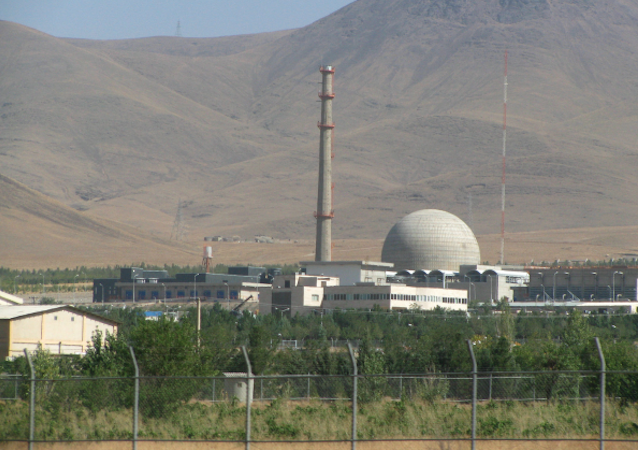
Last week President Obama finally stated openly what everyone, including the Iranians, has known all along – that he is simply not willing to use military force to stop Iran from attaining a nuclear weapon. Those of us with common sense and reason also know that his negotiations with Iran might delay, but will not stop, that country from attaining a nuclear weapon. We know this both because Obama himself told us so in an interview with NPR, and because once a military option is clearly off the table, Iran has no incentive to make concessions in a negotiation and no reason to comply with a negotiated agreement. With no US-sponsored military solution, at least for the remainder of Obama’s term, and no diplomatic solution, there are still two things left that the US can do. First, we can refrain from criminalizing the actions of other states for whom military action against Iran would be considered both reasonable and necessary. Second, we can, at the very, very, least, refrain from funding Iran’s pursuit of a nuclear bomb ourselves.

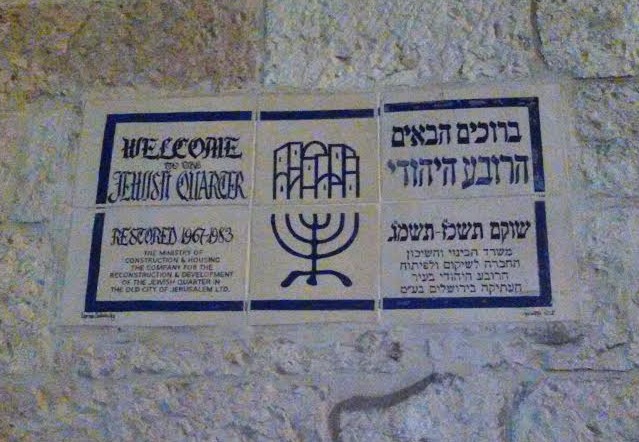
My wife and I are back, after an intense two weeks in Israel. From the Lebanese to Gaza borders, from the Mediterranean Sea to Judea and Samaria, from the cool evenings of Jerusalem to the heat of the Negev Desert, from an apartment in the Jewish Quarter of the Old City of Jerusalem to Bedouin villages in the north and south, from university campuses to military bases, from faculty to students, from Jews to Muslims ... I can't say we saw it all, but we saw a lot. I've documented most of our big events in daily posts, with the exception of our emotional meetings with the families of Edward Joffe and Leon Kanner, students killed in the 1969 Supersol supermarket bombing by Rasmea Odeh; that post is coming, but I still have new photos, documents and information I have to work through. Here are my 5 Big Takeaways from the trip:

1. Our Revenge Is That "We Are Still Here"

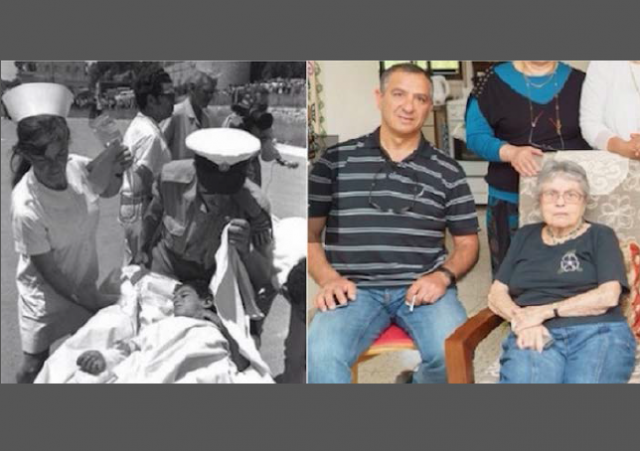
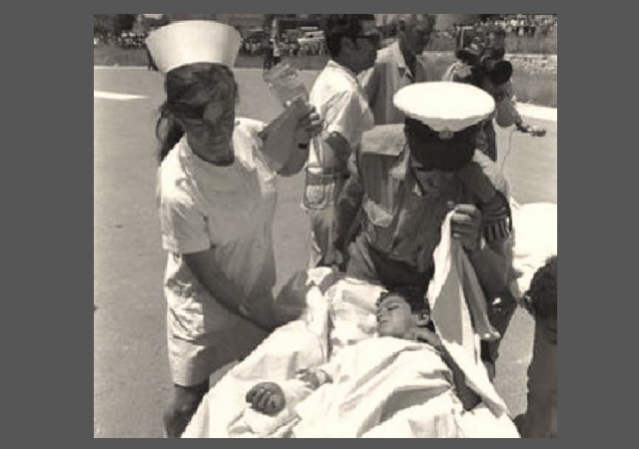
Near the start of our trip, we visited Moshav Avivim on the Lebanese border, where we met Shimon Biton, a survivor of the 1970 bazooka attack on a school bus by the Popular Front for the Liberation of Palestine. Biton, who was six and one-half years old, lost his father in the attack, and himself was shot point blank range by the terrorists when they realized he survived the bazooka attack.  Ten days before we met Biton, he was reunited for the first time in 45 years with the nurse who helped save him.  (Featured Image)

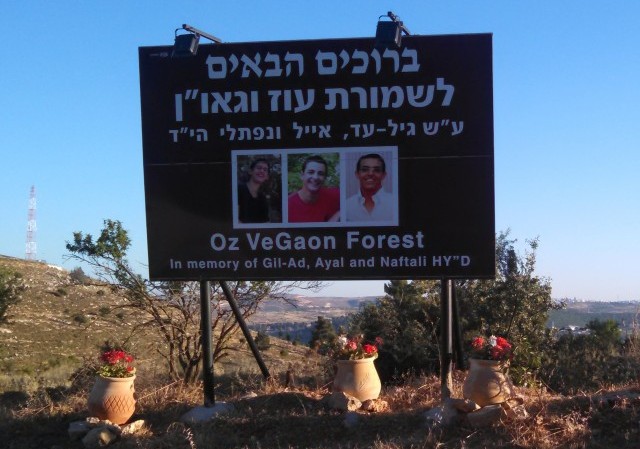
On June 12, 2014, a terror cell affiliated with Hamas kidnapped Naftali Fraenkel (16), Gilad Shaer (16), and Eyal Yifrah (19) in the West Bank. After an intensive hunt and crackdown on Hamas throughout the West Bank, they were found dead. The murderers months later were located and killed by Israeli forces. Contrary to popular mythology, the kidnapping did not cause Israel to attack Gaza weeks later. Rather, the cause of the Gaza conflict was when Hamas started firing rockets from Gaza at Israel without stop. While driving on the way back from Hebron, I saw a sign (Featured Image), designating a forest in the memory of the three teens. It is at the Gush Etzion junction in an area of settlements near where the teens were abducted. The visit to Hebron was quite interesting. Hebron had the oldest continuous Jewish community in the world -- dating back several hundred years -- until Arab riots in 1929 killed 67 Hebron Jews and ethnically cleansed Jews from the city.

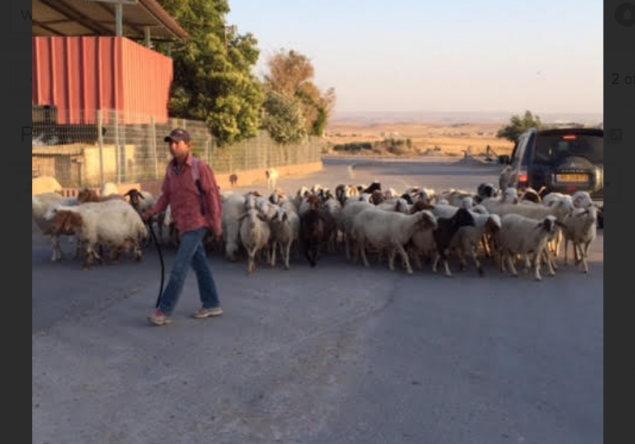
Problems between the Bedouins in the Negev desert area in the south of Israel and the government over redevelopment plans have received a lot of media attention, including at Legal Insurrection: As with every problem in Israel, there are dozens of Israeli and international "human rights" groups seeking to exploit the issue for a greater purpose unrelated to actually helping the Bedouin. So the media narrative is spun as the bad Jews trying to steal land. The Israeli side of the story rarely is told in the media. In part that reflects media bias, in part that Israel is not very good at getting its story out. So during our trip to the south of the country, we met with and toured the area with a local official from the Israeli government ministry which is handling Bedouin redevelopment issues. The official spoke Arabic fluently and was intimately familiar with the Bedouin tribes and culture. (We also were accompanied by our Negev guide, Danny Kella, who also guided us along the Gaza border.) Negev Bedouin Rahat Regional Satellite Map The official was frank in his assessments.  He acknowledged that there are real problems and that the situation has not been handled as well as it should have been. But he also felt that a lot of the problems had causes on each side of the equation and was misrepresented in the media.

President Obama's speech a week and a half ago at Washington D.C. synagogue Adas Israel was alternatively promoted as both an opportunity to address the scourge of anti-semitism, and a chance to reach out to American Jews. The speech did nothing to advance either goal and was tone-deaf to any Jews, or Americans for that matter, who don't buy into the president's foreign policy. As far as his reaching out, the president simply rehashed all of his administration's arguments about closing off Iran's paths to a nuclear weapon. He offered nothing new. Of course, he said that the deal he's trying to make with Iran will make Israel safer. He made a point of saying that he shares the goal with Israel of preventing Iran from acquiring nuclear weapons; but he said it with no real conviction. He was just repeating a talking point. Repeating all of his talking points isn't going to convince someone who doesn't already agree with him. Notably, he repeated his 2012 line about having Israel's back. But with Israel's political establishment - Isaac Herzog is no less skeptical of the emerging deal than Benjamin Netanyahu is - doubting the efficacy of the ongoing diplomacy, that claim hardly seems credible. He says that he welcomes debate, but the night before Benjamin Netanyahu spoke to Congress, Obama gave an interview to Reuters attempting to undercut Netanyahu's arguments.

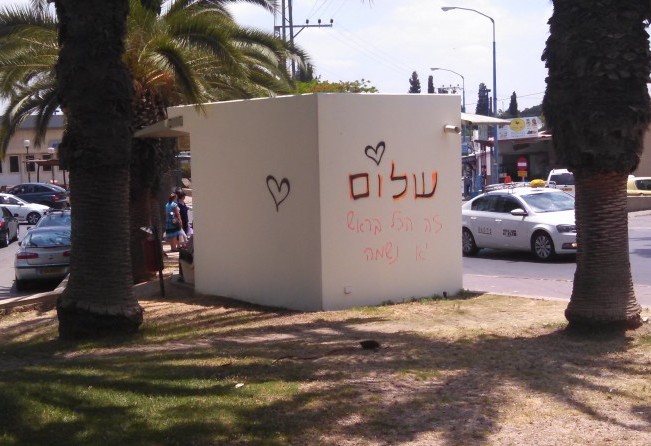
Our journey off the usual tourist trail through Israel continued today with a visit to border areas near Gaza. Sderot is famous for being the closest Israeli town to Gaza, and the first and most frequent target. The Sderot Media Center has a wealth of information. Sderot Satellite Map North Gaza Because Sderot is so close, the town has only 15 seconds warning once a launch is detected. This video is from 2008: There are bomb shelters everywhere, including on the street (see Featured Image - "Shalom" painted on a bomb shelter) and in the playground, where the bomb shelter is in the form of a large caterpillar so as to make it more welcoming to children.

Professor Jacobson has written extensively about the BDS movement and the effort to boycott the boycotters. Senator Ted Cruz has a new idea. Take federal funds away from schools that boycott Israel. He made the remarks at the Champion of Jewish Values International Awards Gala. Among attendees was Sheldon Adelson, an influential donor to Republican politicians. Katie Zezima of the Washington Post writes:
Cruz: Universities that boycott Israel should lose federal funding NEW YORK -- Sen. Ted Cruz said Thursday that universities that boycott Israel should lose their federal funding. Cruz's remarks were aimed at the boycott, divestment and sanctions (BDS) movement, which is gaining traction on college campuses. It calls for U.S. companies and universities to divest from Israel. Cruz has spoken against BDS but sharpened his tone Thursday. The nation needs a president who will ensure that "if a university boycotts the nation of Israel then that university will forfeit federal taxpayer dollars," Cruz said at the Champion of Jewish Values International Awards Gala here, where he received the Defender of Israel Award. "BDS is premised on a lie and it is antisemitism plain and simple."

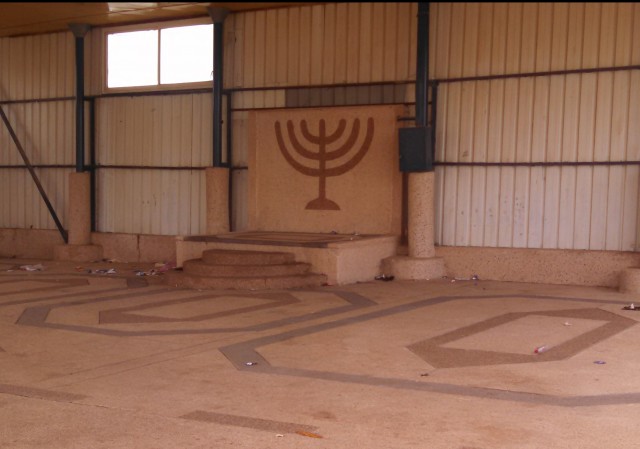
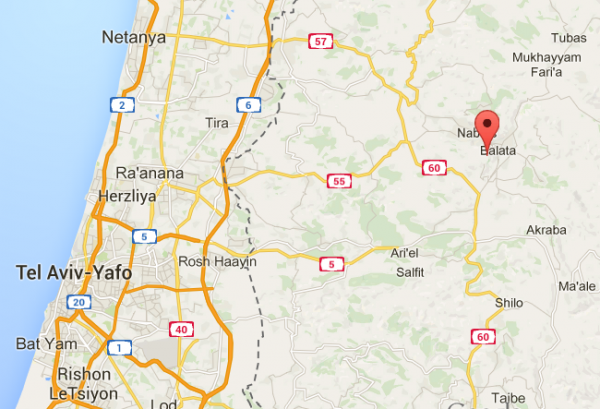
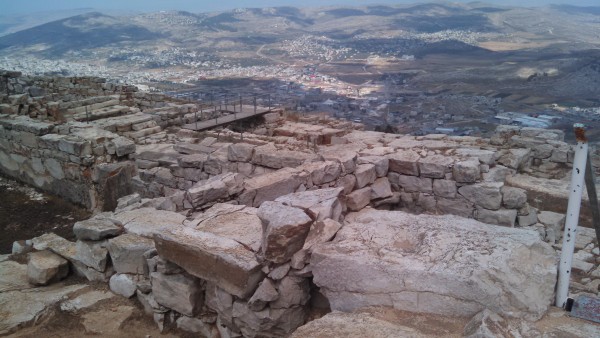
In 2013, I traveled extensively in Samaria. You can find photos and description of that travel here, To Samaria and back. On Friday, May 29, 2015, I traveled to Mount Gerizim and the Samaritan community, on a high peak in Samaria. Mount Gerizim Map Road Mount Gerizim overlooks the city of Nablus and the Balata refugee camp, and contains ancient ruins of the original Samaritans (the Islamic style dome is not part of the original ruins): [caption id="attachment_129103" align="alignnone" width="600"][Mount Gerizim Samaritan Ruins - Dome Not Original] [Mount Gerizim Samaritan Ruins - Dome Not Original][/caption]Mount Gerizim - Samaritan Ruins overlooking Nablus and Balata Refugee Camp Amid conflict, Samaritans keep unique identity (CNN 2002):

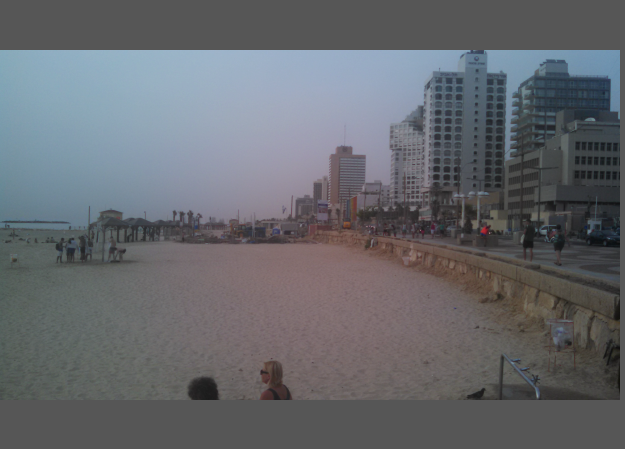
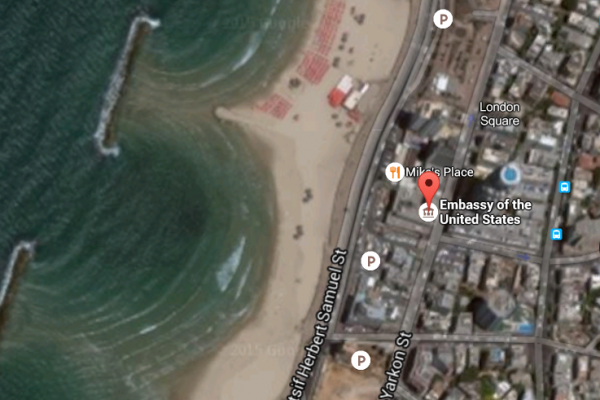
Ah, the beach in Tel Aviv. The Featured Image shows the view north from in front of my hotel. There is a huge amount of construction going on up and down the beach -- luxury hotels and residence buildings. The building on the far right in the Featured Image is the U.S. Embassy. That's right, the U.S. Embassy in Tel Aviv is beachfront on the most prized section in Tel Aviv. U.S. Embassy Tel Aviv Beach Satellite

According to Haaretz, the Palestinians have backed off their push to ban Israel from FIFA. Watch live: Haaretz reports:
4:50 P.M: Palestinian soccer chief welcomes Eini's call for a handshake, but demands FIFA vote on compromise deal: "Let bygones be bygones," Rajoub said. FIFA president Sepp Blatter told the congress that at this point "there is no motion to ban any association from the league." 4:45 P.M. Palestinians introduce amended version of proposal, which drops demand for banning Israel from FIFA, but includes the formation of a committee to look into the freedom of movement for Palestinian soccer players, Israeli racism, and the status of Israeli league teams based in the West Bank.

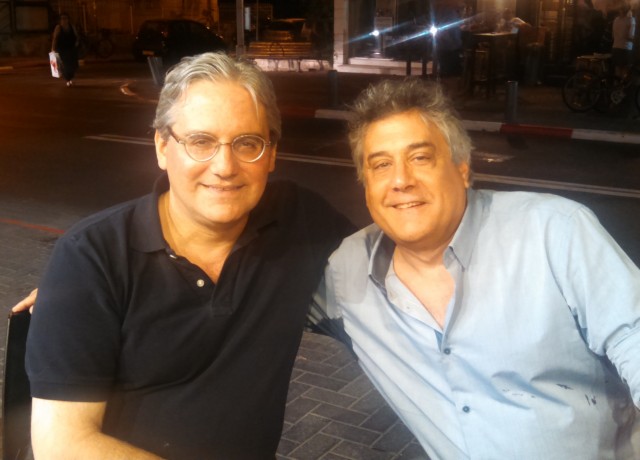
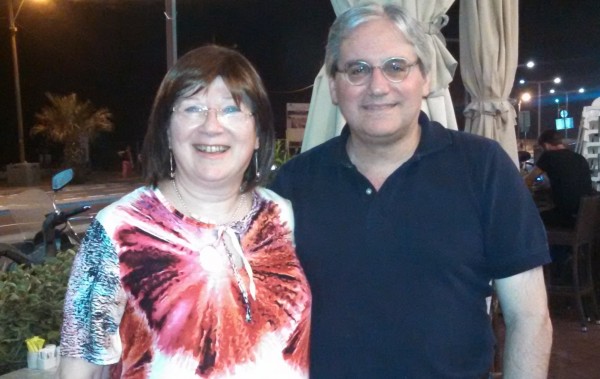
That's Legal Insurrection reader Joel E. who lives in a town near Tel Aviv, and reached out to me when he read I was heading for Israel. The featured image is us at a really good falafel place near the beach. I also saw Legal Insurrection favorite and sometimes contributor "Anne in Petah Tikva" and her husband.  Except that night, she was "Anne in Tel Aviv." William Jacobson and Anne in Petah Tikva It's a tough life, but someone has to live it.

We've provided extensive coverage of the BDS movement's battle against the inclusion of Israeli-made products at food cooperatives. Most recently (and closest to the hearts of the Legal Insurrection team,) the members of the Ithaca-based GreenStar Food Co Op won a very hard-fought battle against BDS activists fighting for a referendum that called for the boycott of Israeli products. A Co Op in Olympia, Washington, however, has found itself on the opposite end of the spectrum. Members of the Olympia Food Cooperative sued the Co Op's board after board members decided to protest Israel's alleged human rights violations via a Co Op-wide boycott of Israeli-made products. Plaintiffs claimed that the boycott violated the Co Op's own boycott policy; the board, however, invoked Washington's anti-SLAPP statute, claiming that the plaintiffs had filed a frivolous lawsuit as a way of suppressing public discussion. The plaintiff group was SLAPPed (I had to) with over $200,000 in fines and penalties, but appealed, claiming the SLAPP statute itself was unconstitutional. Guess what---they won.

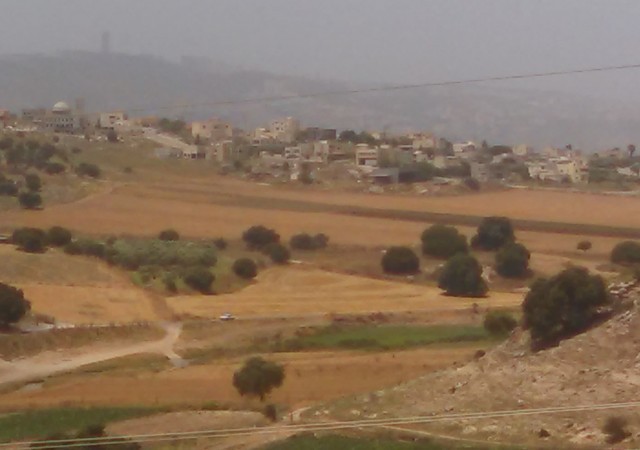
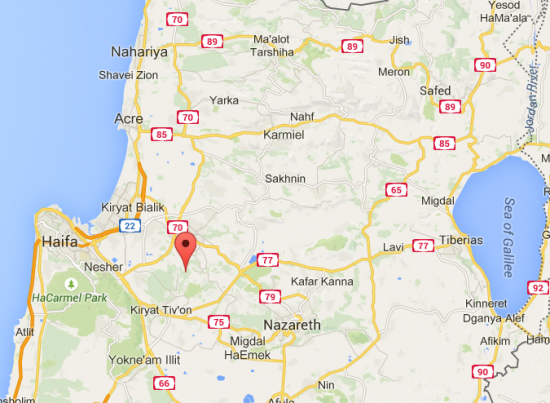
Continuing on my tour in northern Israel, on May 27, 2015, I visited the Bedouin village of Khawaled led by our guide Hassan Khawaled. Hassan Khawaled Most of the people in the village have the village name as a last name, or a variant, such as the first Israeli Bedouin diplomat Ishmael Khaldi, who is from the village. Khawaled is east of Haifa, in the Galilee region. Khawaled Village Northern Israel Map The Bedouin are Arab Muslims with a unique culture. Most Israeli Bedouins live in the south of the country in the Negev region, but there is a sizable presence in the Galilee. The Israeli Bedouin are not obligated to serve in the Israeli Defense Forces, but many volunteer to do so. Bedouin have achieved great success in the IDF, and are particularly known as trackers at the borders.

On Tuesday, May 25, 2015, we continued our tour of northern Israel along the Lebanese border, stopping at Moshav Avivim. While our discovery of a memorial to the victims of the Haifa Bus 37 suicide bombing and our visit to Ziv Hospital in Safed, and its Syrian patients, were unexpected, our visit to the Moshav was even more emotional and full of surprises - Revenge and Reunion. We met with Shimon Biton, the Secretary of the Moshav.  (Our excellent guide, Udi Guberman, provided translation, as Shimon does not speak English.) [caption id="attachment_128643" align="alignnone" width="550"][Shimon Biton, Moshav Avivim, Israel] [Shimon Biton, Moshav Avivim, Israel][/caption]A Moshav is a type of collective farming community where homes are owned individually and owners are allotted separate plots of land, but the community shares in certain expenses and resources. (Unlike a classic kibbutz, where all the property is communal.) There currently are 120 families in the Moshav, 480 people. There are plans to expand to add at least another 50 families, and the demand outpaces available spots. Moshav Avivim sits along the Lebanese border, just south of Bint Jbeil and Maroun Al-Ras.