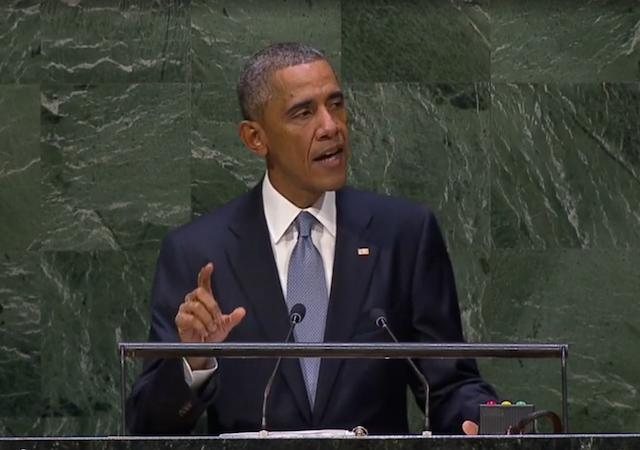
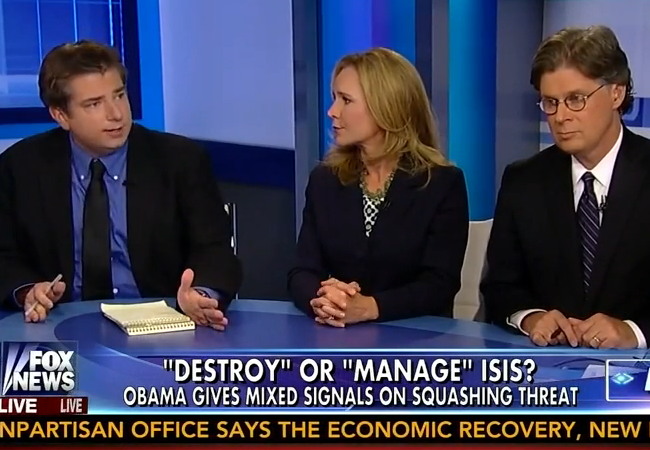
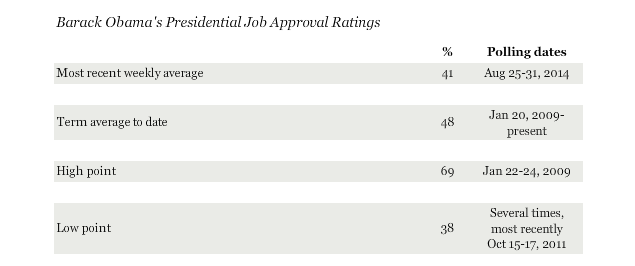
President Obama has come under fire not only from voters but from Congressmen and members of the media over his strategy---
or lack thereof---to roll back ISIS in the Middle East.
The U.S. has already escalated involvement in the region by
initiating air strikes as part of a joint U.S.-Arab offensive against ISIS strongholds:
The U.S. and five Arab nations attacked the Islamic State group's headquarters in eastern Syria in nighttime raids Monday using land- and sea-based U.S. aircraft as well as Tomahawk cruise missiles launched from two Navy ships in the Red Sea and the northern Persian Gulf.
American warplanes also carried out eight airstrikes to disrupt what the military described as "imminent attack plotting against the United States and Western interests" by a network of al-Qaida veterans "with significant explosives skills," said Army Gen. Martin Dempsey, chairman of the Joint Chiefs of Staff.
If what Dempsey says is true (and as blunt as he has been in his testimony and media hits, I tend to trust the veracity of what he's saying,) these missions are a necessary part of protecting American interests both in the Middle East and on U.S. soil. What isn't clear yet is how far Barack Obama will take these missions; he's declared time and again that he won't put boots back on the ground, but military officials and analysts are already asking questions about the possibility of doing so if airstrikes aren't sufficient to eradicate the ISIS network.
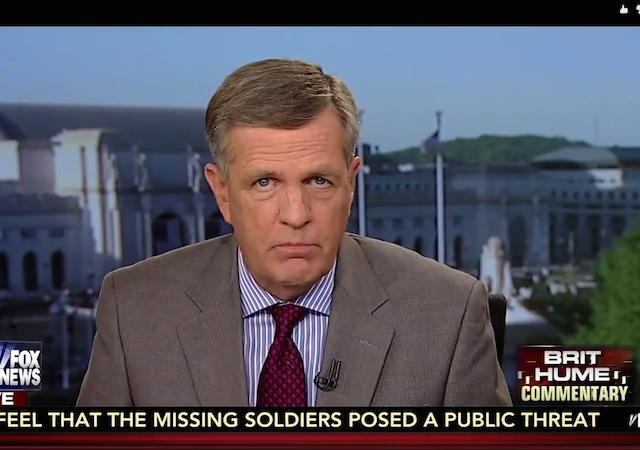
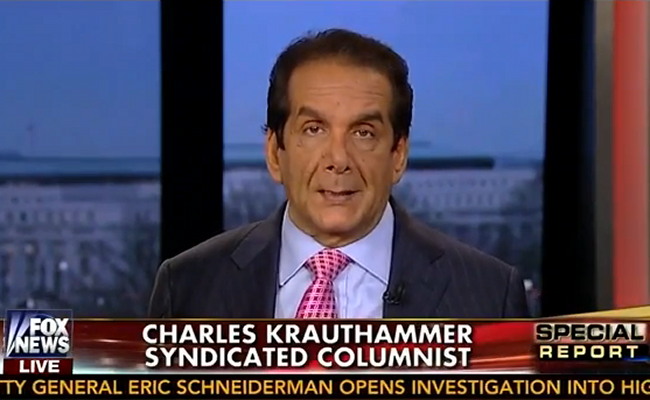
One theory that pundits and academics are floating is troubling, but what's more troubling than the theory itself is its plausibility. Brit Hume laid it out on Monday's edition of
Special Report with Bret Baier: