

Couple offers to pay for robbery suspects’ education if turn themselves in
on November 07, 2014
24 Comments
Here's a feel good story to wrap up the week. Usually people robbed at gun point aren't too keen to get to know the guy that shoved a gun in their face, much less offer what could be life altering help. These homeowners however see the entire situation differently.
KHOU Houston reports (emphasis added):
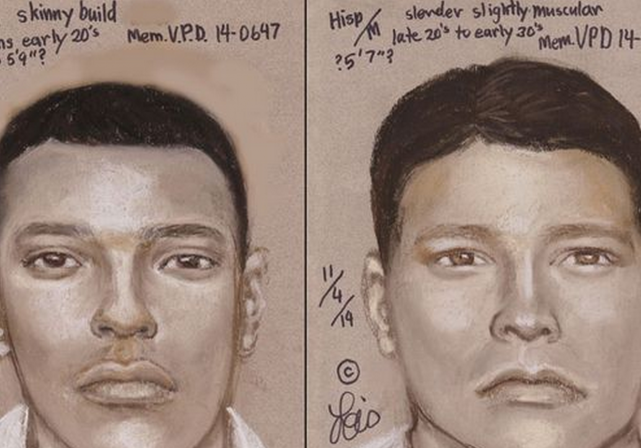
BUNKER HILL VILLAGE, Texas – Police have released composite sketches of the suspects wanted for terrorizing a Bunker Hill family during a home invasion last month. They pretended to be delivering packages to the home in the 11800 block of Redcoat Lane so a housekeeper opened the door. That's when two gunmen, wearing black ski masks and gloves, forced their way inside the home. "She thought they were delivery people," said the homeowner who didn't want to give her name. "When she opened the door, they pulled a gun on her and they locked her in the bathroom. They spoke to her in Spanish." The homeowner arrived in the middle of the robbery and a third suspect was waiting outside in a white SUV. "When my husband showed up, they pulled a gun on him and told him he had to open the safe," said the wife.... A $10,000 reward is being offered for information leading to the arrest of these suspects. The victims are also making an unusual offer if the suspects turn themselves in.