




HHS Releases 1,300 Pages of Obamacare Regulations on July 4th Eve
on July 05, 2014
3 Comments
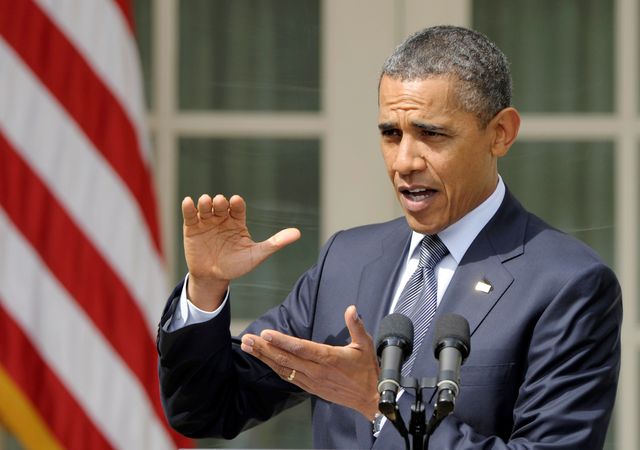
The Obama administration has a habit of releasing new regulations at the beginning of holiday weekends and the 4th of July is no exception.
While most Americans are planning outings with family and friends for picnics and fireworks, 1,300 pages of new Obamacare regulations were released.
Larry O'Connor of Truth Revolt reported:
Holiday Document Dump: 1,300 Pages Of Obamacare Regs On July 4th Eve The Department of Health and Human Services released nearly 1,300 pages of new regulations related to the Affordable Care Act (Obamacare) at 4:15 Thursday, just as the nation was beginning their Independence Day holiday weekend. The regulations deal with payment rates to doctors and hospitals. How doctors get paid by HHS through the new, overreaching Obamacare guidelines has been an item of concern for the American Medical Association, a key supporter of the health care law.Philip Klein of the Washington Examiner also noted the timing: