Image 01 Image 03

Obama Foreign Policy Tag

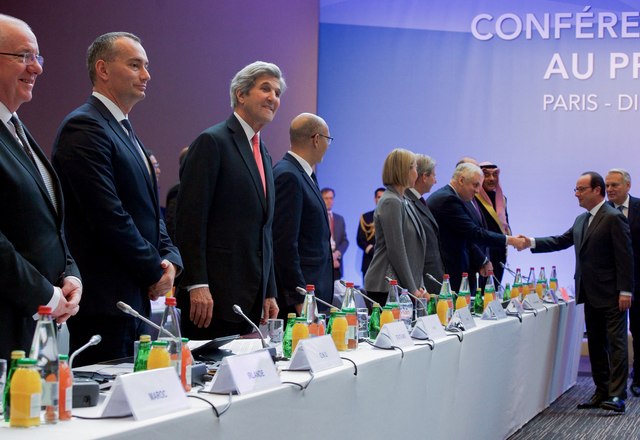
In a call to Israeli Prime Minister Benjamin Netanyahu on Sunday, January 15, 2017, Secretary of State John Kerry assured the prime minister that there would be no further United Nations Security Council action taken against Israel in the wake the Paris peace conference. That conference brought 70+ nations together to discuss terms of peace between Israel and the Palestinians, without either party being present. United Nations Security Council resolution 2334, passed in late December 2016, when the United States abstained and failed to protect Israel from a resolution that stated that the Israeli presence in all lands captured in 1967, including parts of Jerusalem, constituted a flagrant violation of international law. The immediate effects of the resolution was to encourage boycotts of Israel and increase Palestinian violence, mostly rock throwing, against Israel.
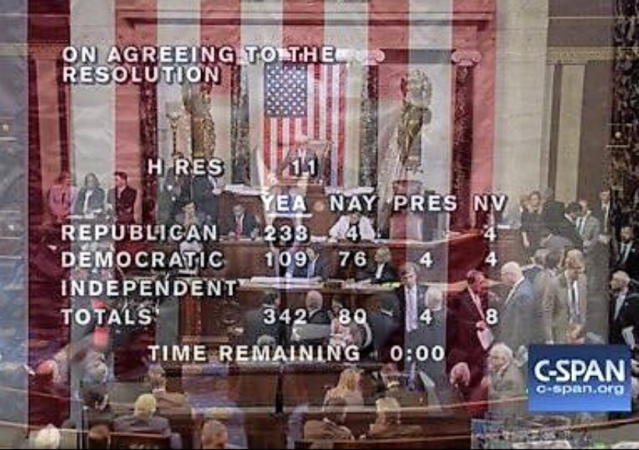
The U.S. House of Representatives overwhelmingly approves House Resolution 11 (full embed at bottom) which criticizes not only anti-Israel UN Security Council Resolution 2334, but also the U.S. abstention. It was the criticism of the abstention that split Democrats, with several speakers claiming Republicans were politicizing support for Israel in Congress. Several speakers claimed the Resolution was a swipe at Obama as he was leaving office. Potential DNC Chair Keith Ellison voted No.

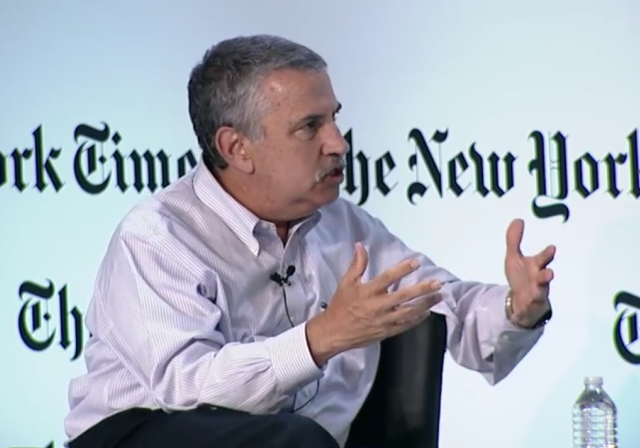
Probably the one columnist I have critiqued more than any other in my blogging career is Thomas Friedman of The New York Times. Friedman, one-time NY Times Jerusalem bureau chief, is considered The Times' go-to expert on the Middle East, globalization and environmental issues. However, when reading Friedman's columns, it's easy to see that rather than being an expert on any of these topics, he holds certain beliefs and uses all of his observations to support his deeply held beliefs. He often conveys his convictions using superficial metaphors that sound clever, but are meaningless or misleading.

On Christmas Day I posted how It ain’t over yet – Israelis worried about more Obama UN moves. In that post I detailed Israeli distrust of Obama administration motives and plans after the anti-Israel Resolution 2334 passed in the Security Council on December 23, 2016. There is substantial accumulating evidence to back up Israeli accusations it has "ironclad" information that the U.S. was behind the Resolution. Denials by the Obama administration have been curiously worded, such as denying the U.S. "drafted" the Resolution; but that's not an answer to claims the U.S. was behind and encouraged the Resolution.

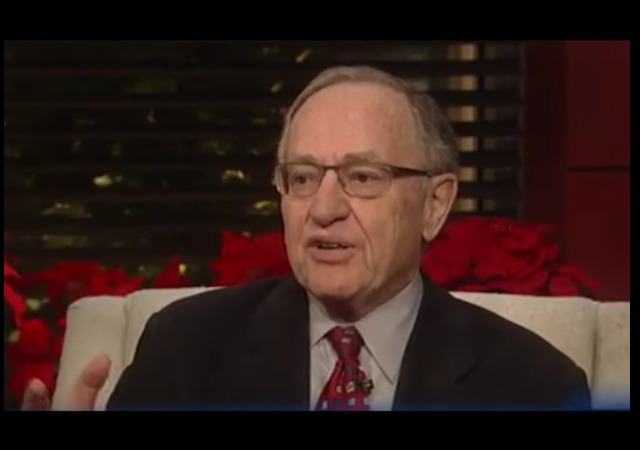
Liberal attorney and Harvard law professor Alan Dershowitz criticized President Barack Obama's foreign policy after the U.S. did use its veto power at the UN to end a resolution on Israeli settlements. He said:
“He will go down in history, President Obama, as one of the worst foreign policy presidents ever,” Dershowitz said during a Monday interview on Fox & Friends. “What he did to Syria, and what he was partly responsible for happening in Aleppo, creating a vacuum for Russia. …

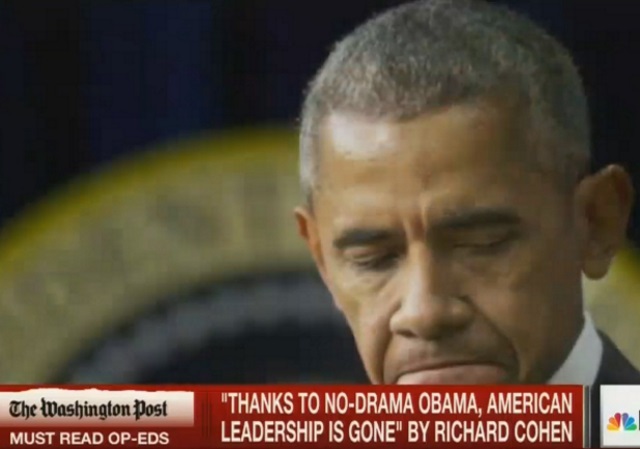
Washington Post columnist Richard Cohen is no conservative, and certainly no fan of Donald Trump. The headline of a column he wrote during the campaign, after all, was "Trump’s Hitlerian disregard for the truth." Which makes his column of today, "Thanks to no-drama Obama, American leadership is gone," which absolutely rips the bark off Barack Obama, all the more remarkable. Observing that Obama "has been all too happy to preside over the loss of American influence," he describes the current president as having "waved a droopy flag. He did not want to make America great again. It was great enough for him already." On Syria, Obama "threw in the towel. The banner he flew was one of American diminishment."

President Barack Obama's legacy at the UN will be marked by the year 2016. The year was bookmarked by the passage of UN Security Council resolution 2231 in January, giving U.N. authority to the Iran Nuclear Deal, and resolution 2334 last week, purporting to declare illegal the presence of Jews in areas in which form a key part of Jewish history. In the case of the Iran deal, the United States led the Security Council and voted for the resolution enshrining the nuclear deal into what passes for international law. In the case of the more recent resolution, the United States abstained, according to some incoherent reasons spouted by US Ambassador Samantha Power, but it looks like, as Israeli Prime Minister Benjamin Netanyahu charges, that Obama orchestrated it. (Yesterday, Netanyahu spokesman David Keyes charged that Israel had "ironclad information" that Obama was indeed behind the maneuver.)

I've been warning that Obama's passage of the recent anti-Israel UN Security Council resolution was not necessarily the "final" jab at Israel. Obama still has three more weeks left in which time he can achieve substantial UN action. https://twitter.com/LegInsurrection/status/812385481711357958 The Israelis have reason to be fearful, asserting they have ‘Ironclad Information’ the Obama administration both pushed and helped craft the prior Resolution.

Back in February 2012, I wrote that I expected that in his second term Obama would force his vision of a "peace" deal on the Israelis. We've had several close calls, with the John Kerry negotiation fiasco and flirtation with various European and Arab initiatives through the UN. The mechanism would be a failure to veto a Security Council resolution setting the terms of a deal. Part of it is Obama hatred of Bibi Netanyahu, dating back to the beginning of Obama's presidency. The snubs and dislike was palpable long before Netanyahu's address to Congress opposing the Iran nuclear deal.

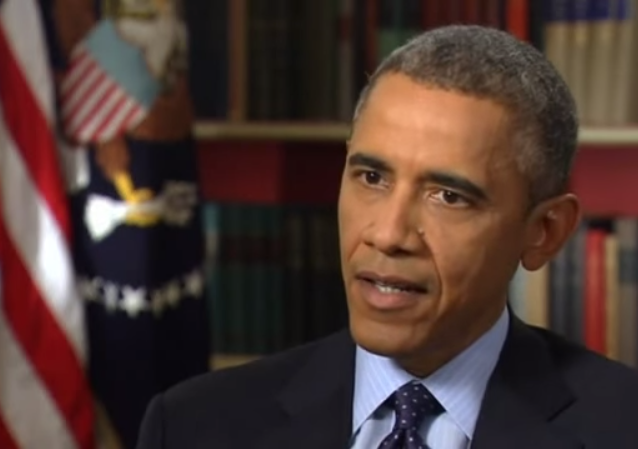
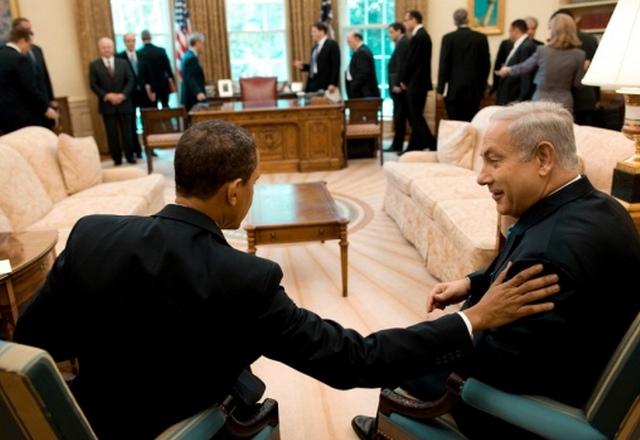
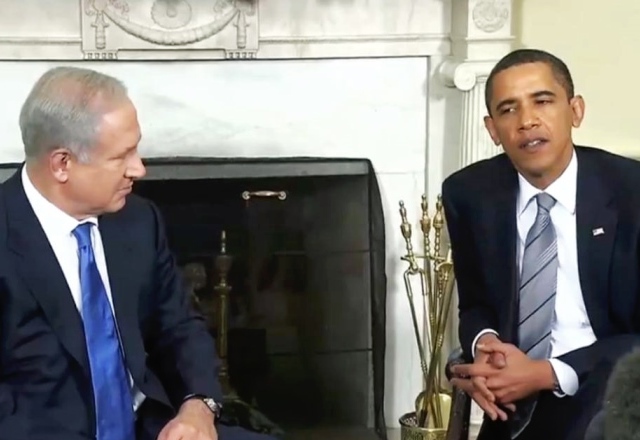
Early on in his first term, President Barack Obama suggested that in order to achieve peace between Israeli and the Palestinians, there needed to be more "daylight" between the United States and Israel. Obama, according to a report on a meeting between the president and American Jewish leaders, said, referring to the Bush administration, "During those eight years, there was no space between us and Israel, and what did we get from that? When there is no daylight, Israel just sits on the sidelines, and that erodes our credibility with the Arab states." During Obama's two terms in office, he made efforts to put daylight between his administration and Israel, and not just in terms of the Israeli-Palestinian conflict: in 2010 the administration harangued Netanyahu over a plan to build apartments in Jerusalem, the administration pursued the nuclear deal with Iran over Israeli objections, senior administration officials, on and off the record, have disparaged Netanyahu, and Obama is said to be considering a move in the UN to support Palestinian statehood.

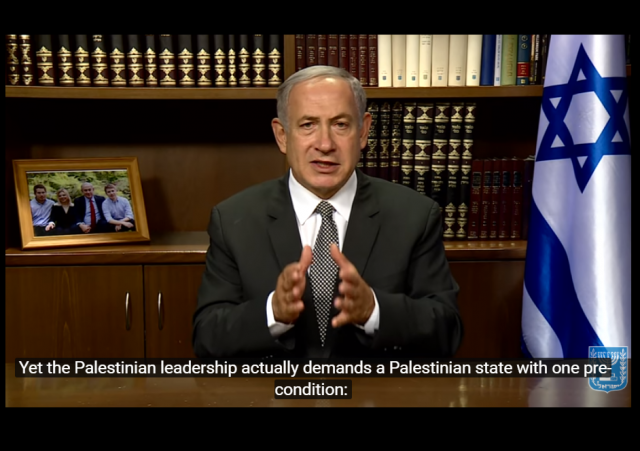
The other day we reported on Israeli Prime Minister Bibi Netanyahu's video in which he pointed out that advocating the ethnic cleansing of Jews from Judea and Samaria (the "West Bank") is hardly a path to peace, Ethnic Cleansing of Jews For Peace is Absurd: Netanyahu was factually correct on the goals of the Palestinian leadership, and not only from Hamas:

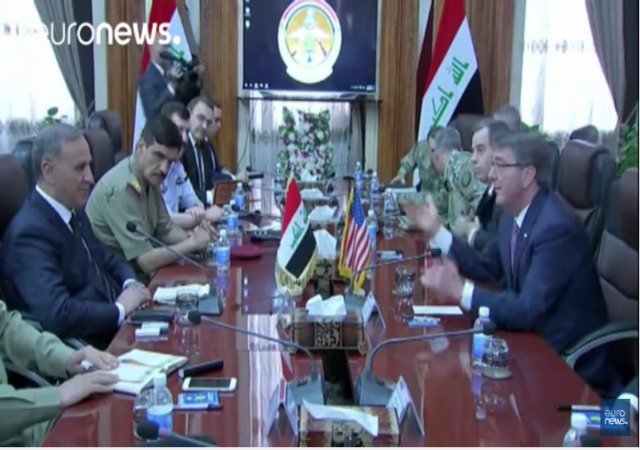
President Barack Obama, who promised less fighting in the Middle East, has decided to send 560 more troops to Iraq to help battle against the Islamic State (ISIS) in Mosul. Secretary of Defense Ash Carter visited Baghdad on Monday:
“With the retaking of Qayara West airfield, the Iraqi Security Forces have once again demonstrated a serious will to fight,” Mr. Carter said. “I congratulate them on their recent successes and reaffirm that the United States, along with our coalition partners, will continue to do all we can to support Iraq’s effort to serve ISIL a lasting defeat,” he said, using an acronym for Islamic State.

Retired Lt. General Michael Flynn and the former director of the Defense Intelligence Agency is reported to be on Trump's short list for the vice presidential slot. General Flynn was forced out of the DIA in 2014 amid rumors that his "management style" was "chaotic." The Washington Post reported at the time:
Lt. Gen. Michael T. Flynn is expected to end his tenure as DIA director this summer, about a year before he was scheduled to depart, according to officials who said Flynn faced pressure from Director of National Intelligence James R. Clapper Jr. and others in recent months . . . . . . . . Flynn, who served as a top intelligence adviser to Gen. Stanley McChrystal in Iraq and Afghanistan, arrived at the DIA in July 2012 vowing to accelerate the agency’s overhaul. Asked after a public speech how he would treat employees reluctant to embrace his agenda, Flynn said he would “move them or fire them.” He drafted a blueprint that called for sending more employees overseas, being more responsive to regional U.S. military commanders, and turning analysts’ attention from the war zones of Iraq and Afghanistan to a broader array of emerging national security threats.