


Image 01 Image 03

National Security Tag

Israel and the United States have signed an agreement aimed at increasing bilateral cooperation in the field of cyber defense. The Cyber Defense Cooperation Agreement penned on Tuesday, June 21, seeks to build joint infrastructure in cyber defense, create partnerships in private sector, fund research, and develop new technologies. The agreement wants to improve the existing mechanisms for sharing of operative information between U.S. Department of Homeland Security (DHS) and its Israeli counterparty, National Cyber Security Authority. Israel has long established itself as a technology superpower with Tel Aviv and Jerusalem as major centres for cutting edge startup innovation -- second in the world only to the Silicon Valley. In recent years, the city of Beersheba located in the middle of the Negev desert has emerged as the world leader in cyber security. Today, around 20 percent of all technology companies in Israel are working in cyber security, making it the biggest technology related sector in the country.

Last week I wrote about the fact that Navy SEALs are forced to share combat rifles, are short on live ammo for training, and are purchasing their own gear.  This week, assistant commandant of the United States Marine Corps, General John Paxton, told Congress that he does not believe the Marines are ready for another war. The Stars and Stripes reports:
If the Marines were called today to respond to an unexpected crisis, they might not be ready, a top Marine general told the Senate Armed Services Committee on Tuesday.

Gen. John Paxton, assistant commandant of the U.S. Marine Corps, testified to lawmakers that the Marines could face more casualties in a war and might not be able to deter a potential enemy.

“I worry about the capability and the capacity to win in a major fight somewhere else right now,” he said, citing a lack of training and equipment.

Paxton, along with the vice chiefs of the Army, Navy and Air Force, spoke to the Senate committee on the readiness challenges facing each service after 15 years of war and recent budget cuts.

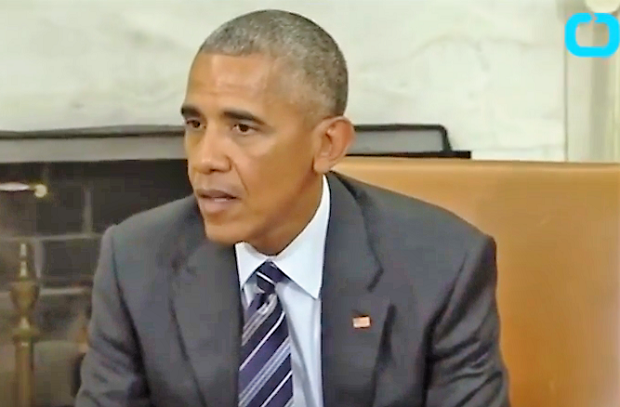
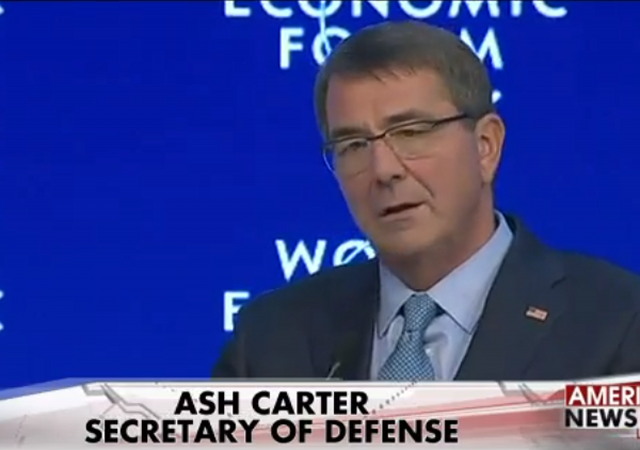
Whenever Obama is asked about his strategy to fight ISIS, he brags of the 66 nation coalition he's put together to fight the terror group. Unfortunately, that's not entirely accurate. Secretary of Defense Ash Carter, sometimes referred to in conservative circles as President Ash Carter for dealing with real problems while Obama does puff interviews with YouTube personalities, is now complaining that our coalition partners aren't stepping up to the fight. The Salt Lake Tribune reports:
U.S. calls on slackers to do more in Islamic State war To doubters of its strategy for defeating the Islamic State, the Obama administration likes to tout its coalition of 66 nations and claim strength in numbers. But a year and a half into the war, some administration officials are acknowledging that this supposed source of strength has its own weaknesses.

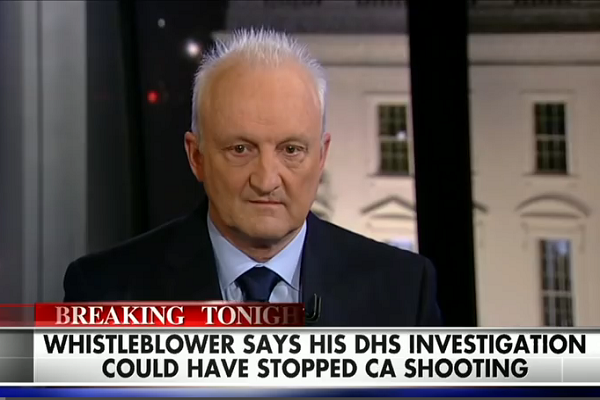
Obama's first year in office was a busy one as he worked tirelessly to hinder the government's ability to identify, locate, track, or make common sense connections between Islamists and terrorism. In April of 2009, the DHS released a now-infamous report entitled "Rightwing Extremism: Current Economic and Political Climate Fueling Resurgence in Radicalization and Recruitment" and in which conservatives were labeled potential terrorists not because they are radical militants but because they are pro-life, support the Tenth Amendment, or are veterans. Michelle Malkin wrote at that time:
It is no coincidence that this report echoes Tea Party-bashing left-wing blogs (check this one out comparing the Tea Party movement to the Weather Underground!) and demonizes the very Americans who will be protesting in the thousands on Wednesday for the nationwide Tax Day Tea Party. From the report, p.2: Rightwing extremism in the United States can be broadly divided into those groups, movements, and adherents that are primarily hate-oriented (based on hatred of particular religious, racial or ethnic groups), and those that are mainly antigovernment, rejecting federal authority in favor of state or local authority, or rejecting government authority entirely. It may include groups and individuals that are dedicated to a single issue, such as opposition to abortion or immigration.

A security breach discovered at a California-based software and hardware company has many officials worried, including U.S. Congressman Will Hurd of Texas. Rep. Hurd expressed his concerns over the breach in a Wall Street Journal op-ed explaining that foreign hackers may "have been reading the encrypted communications of U.S. government agencies for the past three years." Juniper Networks provides network equipment and routers to the U.S. government that are believed to be used by the Defense Department, FBI, Justice Department, and Treasury Department.