

Image 01 Image 03

Obamacare Tag

The Senate GOP's latest effort to fix Obamacare failed to garner support from the conservative wing of the party. The fractured caucus led Sen. Sasse (R-NE) to call for the complete repeal of Obamacare followed by a completely separate replacement. Sasse suggested leaving Obamacare intact as is for one year to protect its current consumers while the Senate hashes out a replacement.

Congressional Republicans cannot agree on health care reform, which has caused frustration and anger among the American public. Sen. Ben Sasse (R-NE) sent a letter to President Donald Trump with a suggestion in the event members cannot reach an agreement when they return from Independence Day break: Repeal Obamacare now. Work on the replacement later.

Thursday, Senate Republicans released their long-anticipated health care reform bill. We discussed highlights of the legislation here. It's worth reiterating that this bill is only the first step (so we're told) in repealing and replacing Obamacare. The Senate GOP bill is limited in what it can accomplish for one reason — reconciliation. Senate Republicans are relying on the budget reconciliation mechanism to pass their first health care overhaul with a simple majority vote. Reaction on the right has been mixed. Some are calling it one of the Republican's greatest policy achievements and others are less than thrilled about kicking the Medicaid can down the road.

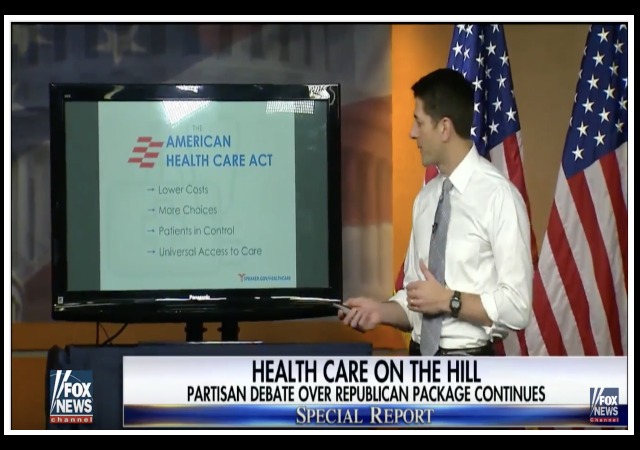
Thursday, Senate Republicans finally unveiled their version of the American Health Care Act (AHCA). It's almost as much of a stinker as its House counterpart. If you were hoping the GOP would make good on their promise to repeal and replace Obamacare, then I have some disappointing news: the latest Republican health insurance brainchild does neither. As we discussed when dissecting the unimpressive House AHCA, the Senate GOP bill is also limited in what it can accomplish for one reason -- reconciliation. Senate Republicans are relying on the budget reconciliation mechanism to pass their first health care overhaul with a simple majority vote.

We at Legal Insurrection have documented the damage Obamacare has done to the insurance market, with costs skyrocketing to the point that companies have pulled out. If they cannot make a profit they cannot provide coverage. For the last few weeks, Iowa's individual health insurance market showed signs of collapse as companies pulled out one after another. The state started to panic, even asking "the federal government to let it alter parts of the Affordable Care Act in an effort to entice insurers into selling plans in the state." The small insurance company Medica has come to save Iowa after the company's officials decided to remain in the state, making it the only company in the market. But officials said it has to charge higher premiums in order to stay afloat.

Anthem Inc, a prominent national health insurance company, has decided to leave Ohio's health insurance exchange citing a volatile market. It's another example of Obamacare's collapse, especially since Anthem became "a major player in the individual insurance market created by the federal health care law." From The New York Times:
Ohio state insurance officials said they were reviewing their options but put the blame squarely on the federal health care law. “For the past few years we have seen a weakening in the federal insurance marketplace as a number of companies have withdrawn from the exchange,” the state agency said in a statement. “We have always argued the private insurance market is the most severely impacted by the federal law and that is where Congressional action is needed to restore stability.”

The Congressional Budget Office (CBO) recently released their score of the American Healthcare Act. In their analysis, the CBO indicated 23 more Americans would be uninsured if the Senate were to pass the AHCA.

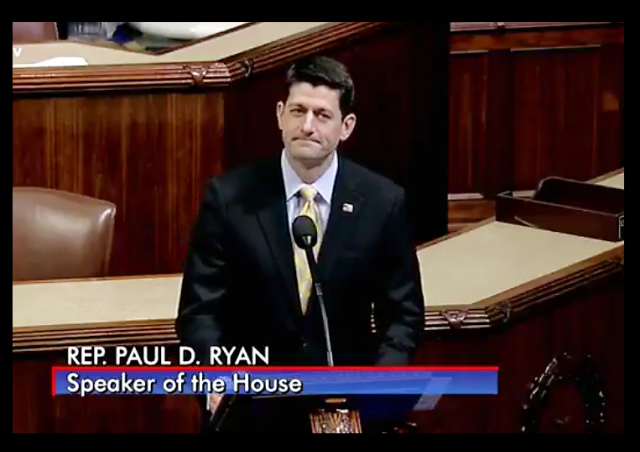
I will never understand how the Republicans managed to screw this up so badly. And let's be clear, this is the fault of Republicans in Congress, not Donald Trump. The talk of repealing Obamacare started years before Trump was even a candidate. Their first attempt a couple months ago fell flat on its face. The second time, it passed in the House on a squeaker vote. Now, they may have to vote on it again. Billy House reported at Bloomberg:
House May Need to Vote Again on GOP Obamacare Repeal Bill House Republicans barely managed to pass their Obamacare repeal bill earlier this month, and they now face the possibility of having to vote again on their controversial health measure.

Aetna, one of the nation's largest health insurers announced Wednesday it would completely withdraw from Obamacare marketplaces in 2018. Nebraska, Delaware, Virginia, and Iowa are the only Obamacare exchanges where Aetna currently participates. A month ago Aetna announced plans to leave the Iowa market, followed by yet another announcement of a Virginia marketplace exit. With Aetna's withdrawal, Delawareans and Nebraskans will be left with one insurer on the exchange.

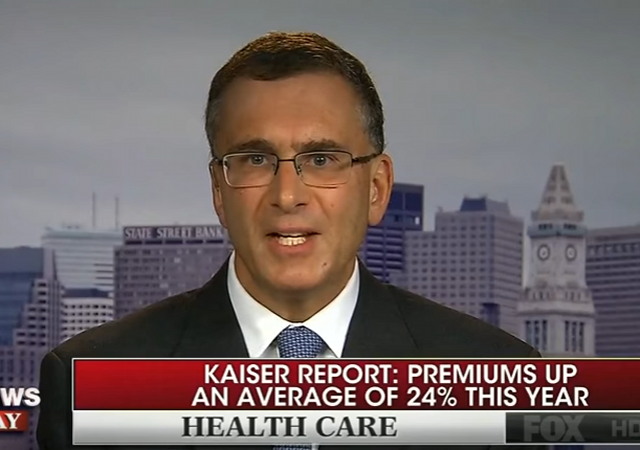
In today's episode of "Democrats can't be blamed for anything" the lead role will be played by Obamacare architect Jonathan Gruber, who famously credited the stupidity of the American voter for the law's passage. While appearing on FOX News Sunday, Gruber argued that the collapse of Obamacare must be blamed on none other than President Trump. Chuck Ross reports at the Daily Caller:
Jonathan Gruber Blames Obamacare Failures On Donald Trump [VIDEO] Gruber, an MIT economics professor who is considered one of the architects of Obamacare, made the bold claim during an interview with Chris Wallace on “Fox News Sunday.”

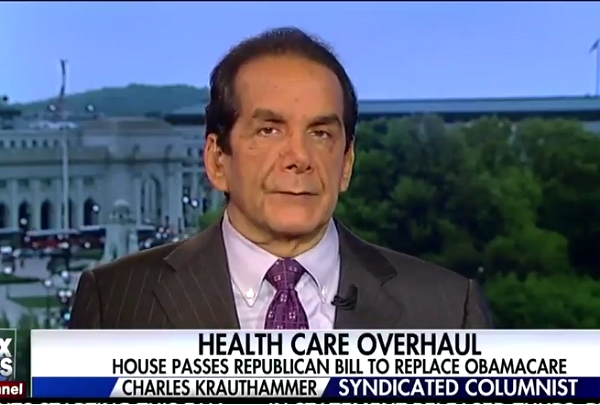
The House voted to repeal Obamacare Thursday afternoon. And by a slim vote -- 217 to 213, the American Healthcare Act passed. Prior to the final tally being read aloud, some legislatures began singing:

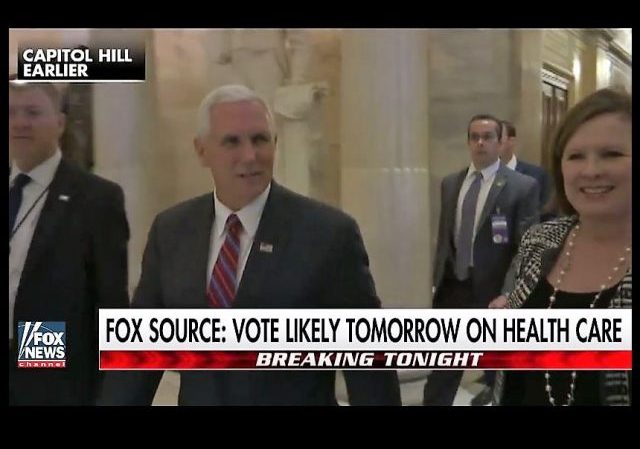
So, the breaking news is that the House will vote tomorrow, Thursday, the 4th day of May, in the year 2017, to "repeal and replace" Obamacare. The NY Times reports:
House Republican leaders planned to hold a showdown vote Thursday on their bill to repeal and replace large portions of the Affordable Care Act after adding $8 billion to the measure to help cover insurance costs for people with pre-existing conditions.

Though Obamacare was designed to force the American health insurance system into a single payer model, the free market has found a workaround. A growing number of practices are working directly with uninsured patients or with patients forgoing insurance benefits for a better price tag. Health insurance premium hikes, ridiculously high deductibles, and scant coverage make for-profit specialist shops all the more attractive.