

San Bernardino terrorists’ suspicious transactions raise issue of tightening federal reporting
on December 09, 2015
21 Comments
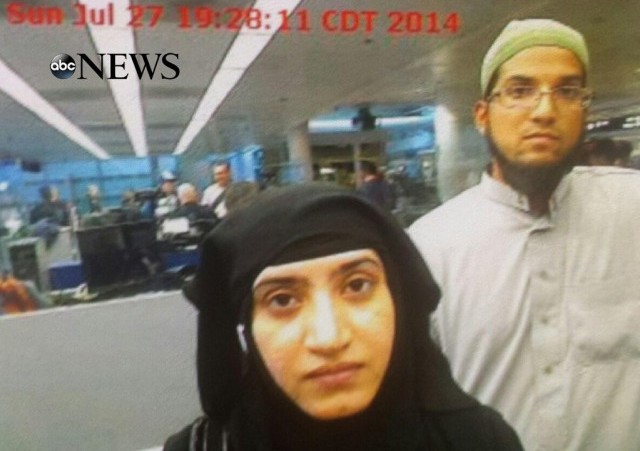
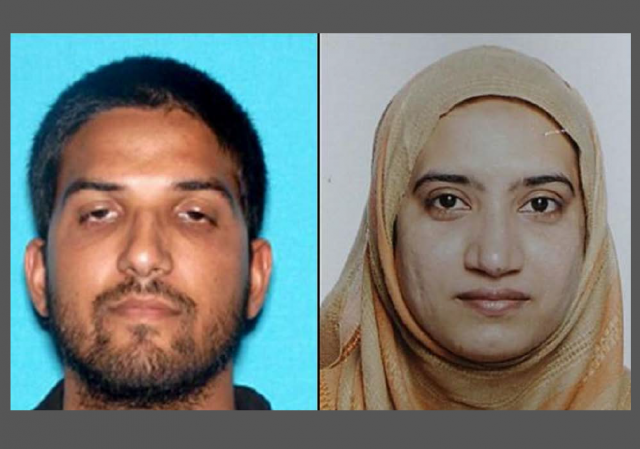
Emerging reports indicate Syed Farook made a series of questionable banking transactions in the weeks before he and his wife killed fourteen people in their terrorist attack in San Bernardino.
These transactions raise yet again the question of whether financial institutions could play a larger part in interdicting terrorists. The transactions may have been subject to reporting requirements under the Bank Secrecy Act ("BSA"), but the reports would have come too late.
Under the BSA and supporting regulations financial institutions must file Suspicious Activity Reports ("SAR") within 30 days of a variety of large, unusual or structured transactions. A structured transaction or series of transactions is designed to evade reporting requirements or additional scrutiny. The Federal Financial Institutions Examination Counsel's ("FFIEC") Examination Manual notes that "[s]uspicious activity reporting forms the cornerstone of the BSA reporting system."
According to the Financial Crimes Enforcement Network ("FinCEN"), the BSA: