

Image 01 Image 03

Trump Trade Policy Tag

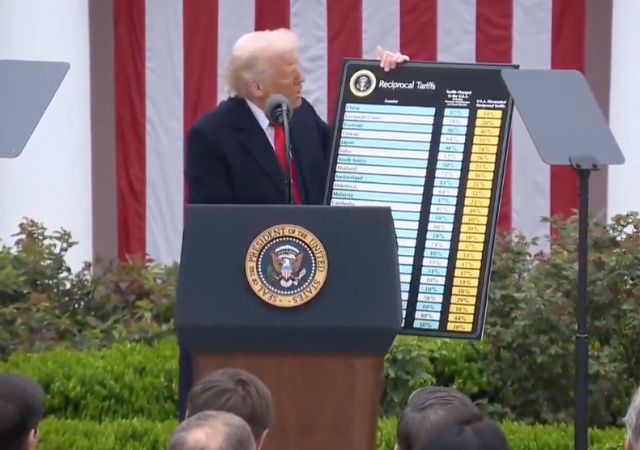
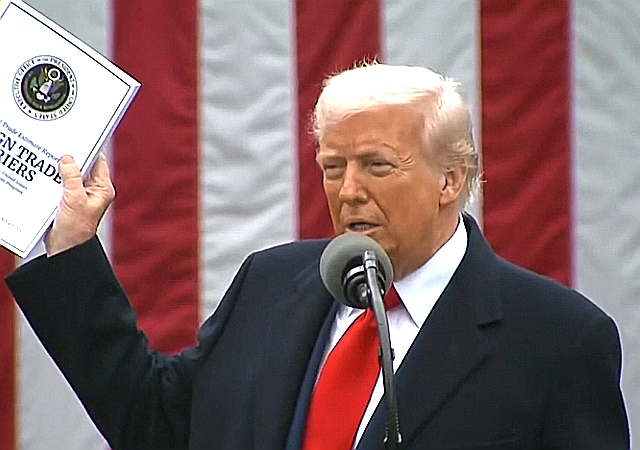
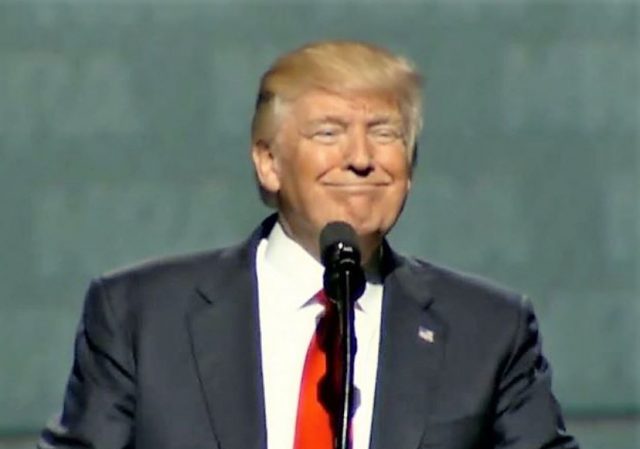
President Trump imposed hundreds of billions of dollars in tariffs on the countries of the world, that vary enormously from nation to nation. He calls them “reciprocal” tariffs, but they aren’t reciprocal at all. Trump increased tariffs even on friendly countries that had lower tariffs than we do, which is the very opposite of reciprocity. He imposed 10% tariffs even on countries that we have a trade surplus with, like Australia — which has fewer trade barriers than America does, and has some of the lowest tariffs on Earth.

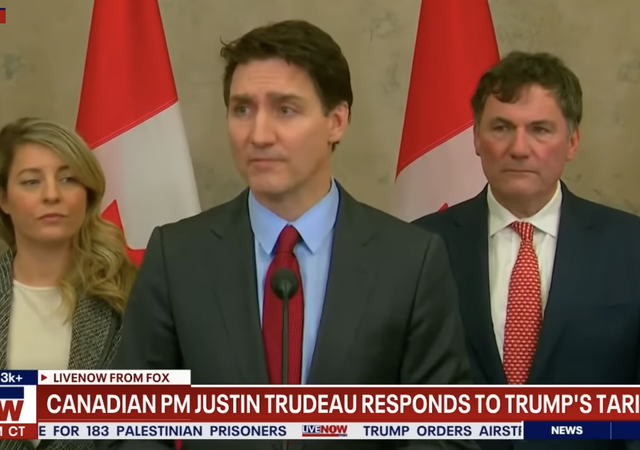
Late Saturday, Canada, Mexico, and China responded to Trump's executive order imposing tariffs over their alleged failure to curb the fentanyl crisis. Just hours after the order was signed and set for implementation on Tuesday, all three nations announced strong retaliatory measures. In a 20-minute press...

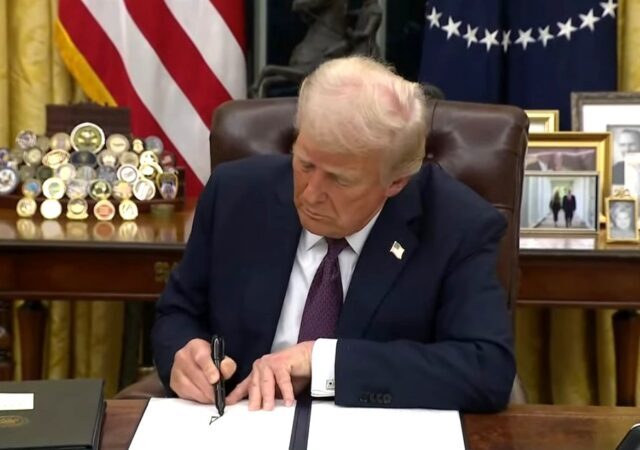
In a sweeping move that could redefine U.S. trade policy, President Donald Trump has signed a series of new tariffs targeting imports from Canada, Mexico, and China under the International Emergency Economic Powers Act (IEEPA), thus setting the stage for fresh economic battles with key...

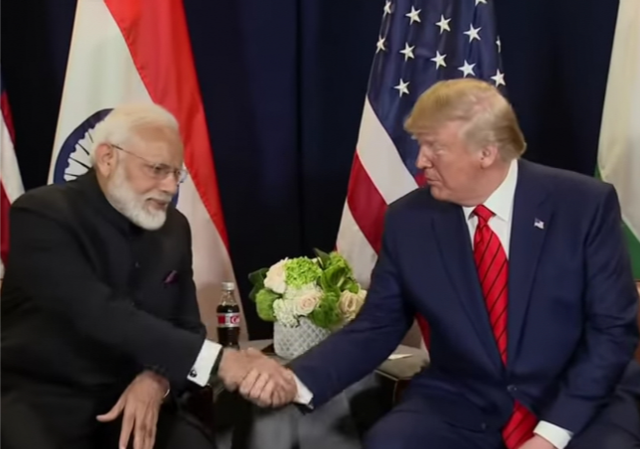
India is gearing up to welcome President Donald Trump on his first official visit to the country. The U.S. President and First Lady Melania Trump will arrive on February 24 on a two day tour of the country. "India will accord a memorable welcome to our esteemed guests," Indian Prime Minister Modi vowed ahead of the visit.

President Donald Trump is considering tariffs on French wines in response to the digital tax imposed by Paris that disproportionately targets U.S. tech companies. Earlier this month, the French Senate approved a 3 percent tax on sales generated from digital services in France by companies with more than 25 million euros in French revenue and 750 million euros worldwide.

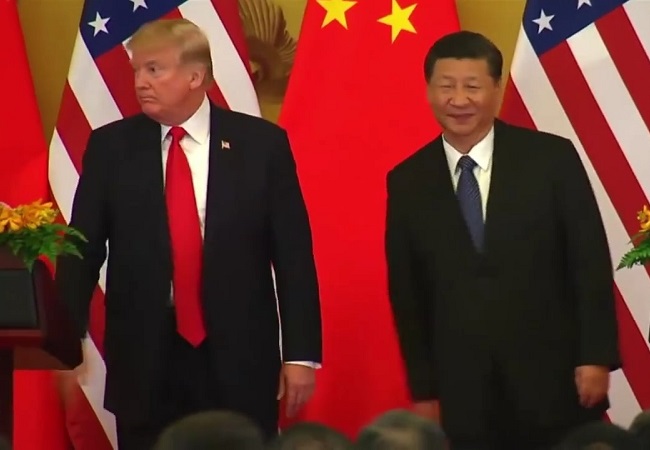
The United States was "attacking China’s core economic interests," Chinese state media said. By making a number of "arrogant demands," Washington was "trying to invade China’s economic sovereignty and force China to damage its core interests," Chinese state news agency Xinhua said Saturday. The comments came amid U.S. demands to restrict the role played by powerful Chinese state-owned enterprises (SOEs) that dominate all sectors of the country's economy and receive favored treatment from the state.