Image 01 Image 03

Trump Iran Tag

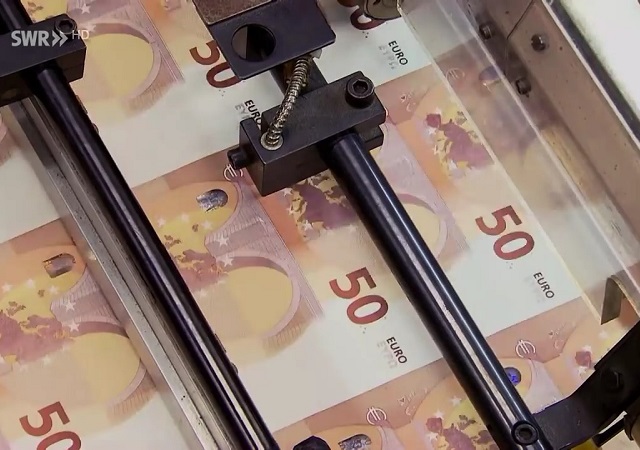
Germany's central bank, the Bundesbank, has revised its regulations to stop Iran from withdrawing €320 million ($400 million) in cash from the country's bank accounts. Under the new conditions, the Bundesbank can stop cash transfers that violate US Treasury sanctions, the German newspaper BILD disclosed. The drastic measure to physically ship the cash out of Germany demonstrates Tehran's demising trust in the European financial institutions as the US Treasury tightens screws on the regime's worldwide financial operations. The transaction is "one of the largest cash transfers ever in German history," a spokesman for the country's finance minister admitted.

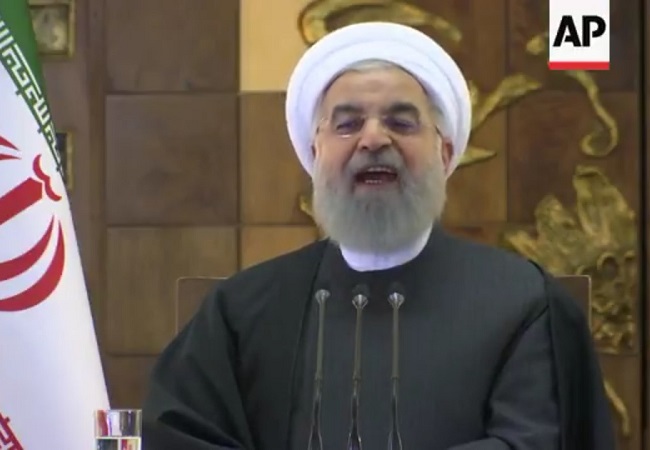
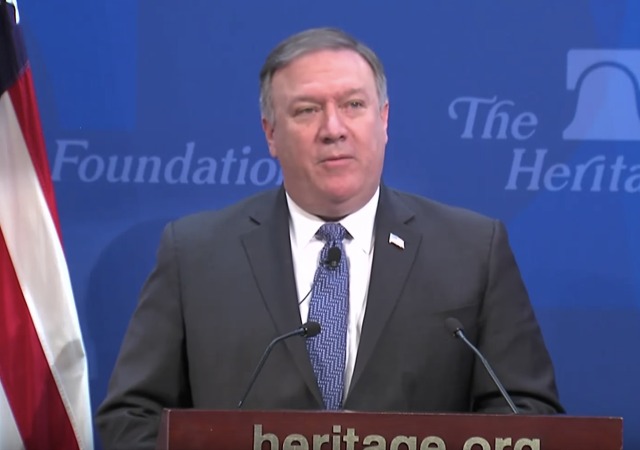
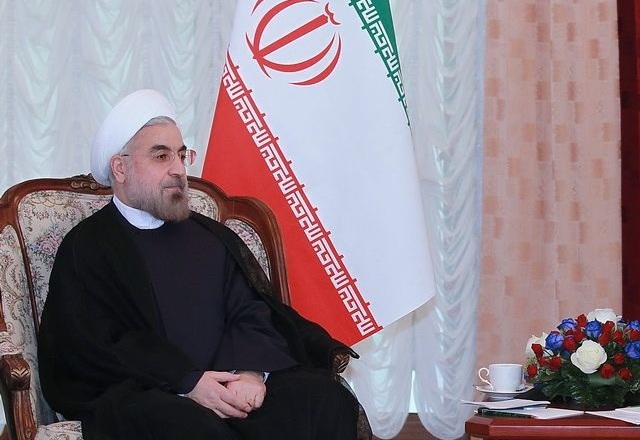
Over the weekend, Iranian President Hassan Rouhani warned President Donald Trump that "war with Iran is the mother of all wars" and war will happen if the U.S. keeps provoking Iran while Secretary of State Mike Pompeo delivered his speech "Supporting Iranian Voices" in California. Trump was not in the mood to hear threats from an oppressive dictator and promised Rouhani that if he threatens America again, he will "suffer consequences the likes of which few throughout history have ever suffered before."

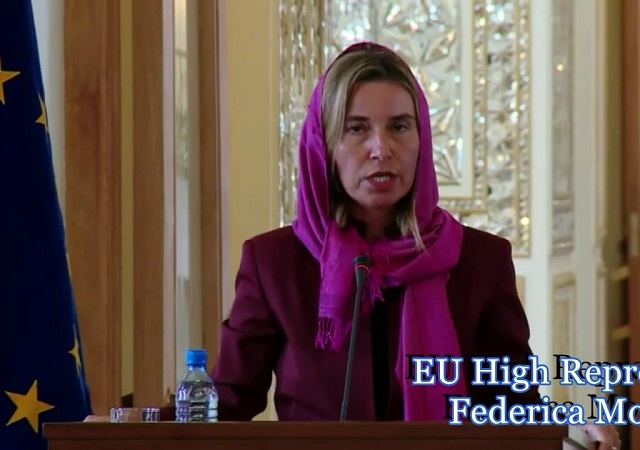
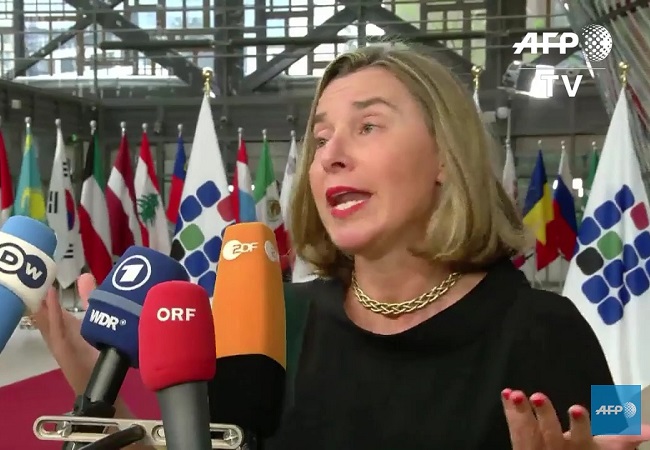
The European Union has called on the U.S. not to punish European firms that trade with Iran, German daily Die Welt reported Thursday. In a letter to the U.S. officials, the EU Foreign Policy Chief Federica Mogherini "appealed to the U.S. not to undertake any action" against European companies likely hit by U.S. sanctions following President Donald Trump's withdrawal from the Iran nuclear deal last month. The letter addressed to U.S. Secretary of State Mike Pompeo and Treasury Secretary Steven Mnuchin was also signed by foreign and finance ministers from Germany, France, and Britain, German broadcaster Deutsche Welle disclosed. According to media reports, President Trump is considering imposing secondary sanctions against foreign companies which continue doing business with Iran.

Iran has been trying to acquire foreign technology to build nuclear weapons, German intelligence reveals. Tehran has been targeting Germany's technology sector to get hold of tech in order to upgrade its weapons of mass destruction (WMD) program, a report published by the intelligence agency of the German state of Baden-Württemberg indicates. The southwestern German state is home to several leading global technology and engineering companies.

European companies are leaving the Islamic Republic of Iran in droves fearing U.S. sanctions after President Donald Trump's decided to withdraw from the 2015 nuclear deal earlier this month. The regime in Tehran is "particularly concerned by the decisions of various European companies to halt their Iranian operations until the future of sanctions was clear," several German newspapers reported on Monday. "The cascade of decisions by EU companies to end their activities in Iran makes things much more complicated," Iranian Foreign Minister said. The statement comes days after the French oil company Total pulled out $5 billion worth of investments from the country fearing U.S. sanctions.

Ismail Kowsari, a senior officer in Iran's Revolutionary Guard, lashed out at Secretary of State Mike Pompeo's vow to impose strong sanctions on the regime. From NBC News:
"The people of Iran should stand united in the face of this and they will deliver a strong punch to the mouth of the American secretary of state and anyone who backs them," said Kowsari, according to the Iranian Labour News Agency.
Iranian President Hassan Rouhani also mocked Pompeo, asking, "Who are you" to make decisions for Iran while a member of parliament insisted the regime shouldn't play into "U.S. radicalism."

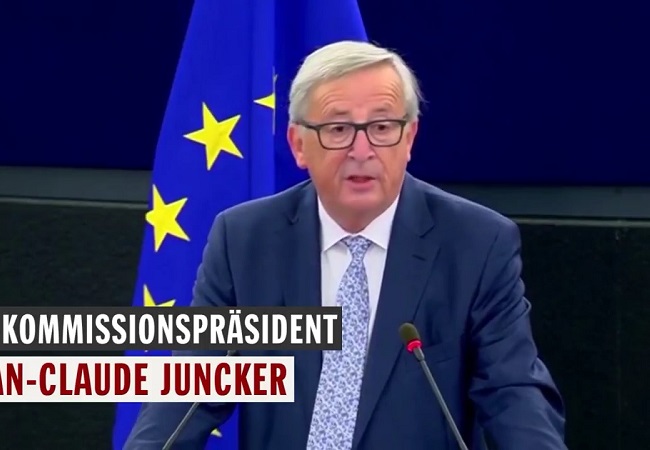
The European Union is considering laws to protect European companies trading with Iran in the wake of new U.S. sanctions. The EU Commission President Jean-Claude Juncker announced plans to enact a set of laws that "seek to prevent European companies from complying with any sanctions the US may reintroduce against Iran," Germany's state-run broadcaster Deutsche Welle reported on Friday.

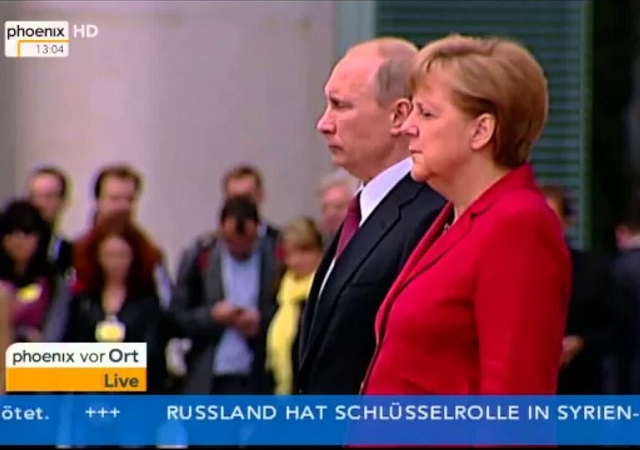
Days after U.S. President Donald Trump's decision to walk away from the Iran nuclear deal, Germany has joined hands with its arch-rival Russia in order to rescue the troubled agreement. As part of a diplomatic campaign to rally support for the agreement, German Chancellor Angela Merkel dispatched Foreign Minister Heiko Maas to Moscow on Tuesday. "Iran deal crisis triggers rare show of unity between Moscow and Berlin," commented Germany's state-run DW News. "Both Germany and Russia believe the deal should remain in force," the broadcaster added.

In withdrawing from the Iran nuke deal, the U.S. did not breach a commitment of the United States. The Trump administration reversed a non-binding, ephemeral policy preference of Barack Obama, who refused to submit the deal as a Treaty under Article II, Section 2, Clause 2 of the Constitution. Had the nuke deal been a treaty, it would have been the supreme law of the land.

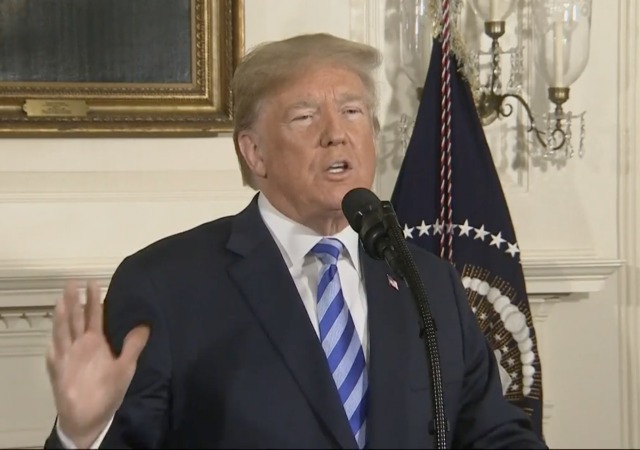
President Donald Trump announced that America will withdraw from the Iran nuclear deal. Trump has consistently threatened to withdraw from the deal, but extended it a few times in his first year. However, in January, Trump said this would be his last waiver "unless the deal is strengthened by Congress and European allies."

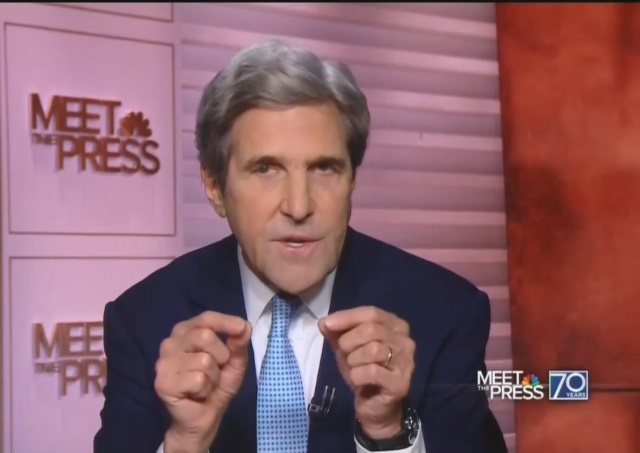
Earlier this week, Israeli Prime Minister Benjamin Netanyahu revealed intelligence gathered by the Mossad that conclusively reveals that the Iran Nuclear Deal was induced by fraud. We are now learning that former Secretary of State John Kerry has been meeting secretly with foreign governments in an effort to salvage what Netanyahu has long-insisted is a bad deal.   Kerry's goal, apparently, is to encourage world leaders to pressure President Trump into keeping the Iran deal in place.

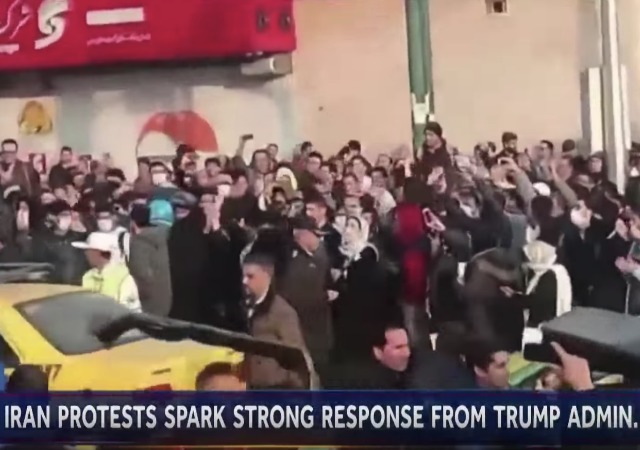
Iranian Supreme Leader Ayatollah Ali Khamenei announced that the regime has squashed the uprising that took place the last few weeks. The protests left 22 people dead and 3,700 arrested. Remember, people used social media and the internet to tell the world about the protests since Iran doesn't have a free press and the regime told state media not to report on it. To stop them, the regime shut down the internet. Yes, that helped them cut off access for the world to see the protests, but it also wrecked havoc on those who did not even participate.

For almost a week, Iranians have been protesting against their oppressive regime. The demonstrations have been unfolding on social media since Iran has no free press and the state press have been told not to report on it. For some odd reason, officials from President Barack Obama's administration have advised people to ignore this uprising. Gee, could it be because their celebrated Iranian nuclear deal looks REALLY bad now? That deal was supposedly the most important foreign policy decision during the administration.

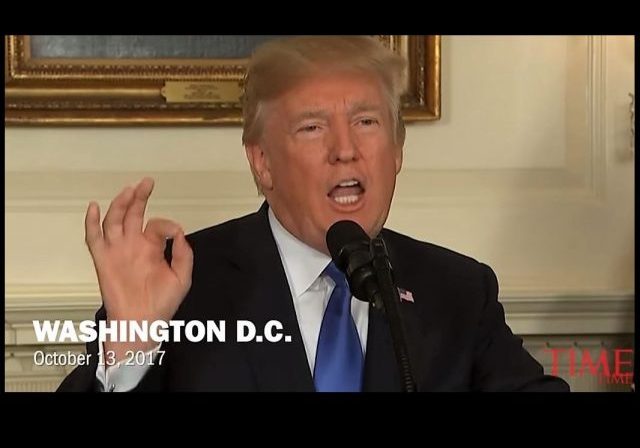
In a statement Friday, President Donald Trump said that "based on the factual record I have put forward, I am announcing today that we cannot and will not make this certification," of the nuclear deal with Iran. In accordance with the Iran Nuclear Agreement Review Act (or Corker-Cardin Bill), Congress now has 60 days to fix terms of the deal - the sunset clauses that allow Iran to ramp up its nuclear program after the accord expires, its ballistic missile program - that Trump is demanding are addressed. If Congress does not act, Trump said "the agreement will be terminated." Trump's remarks were not limited to the nuclear deal but are part of an overall refocus of American strategy towards Iran, which were laid out elsewhere on the White House website.