

Image 01 Image 03

Trump Appointments Tag

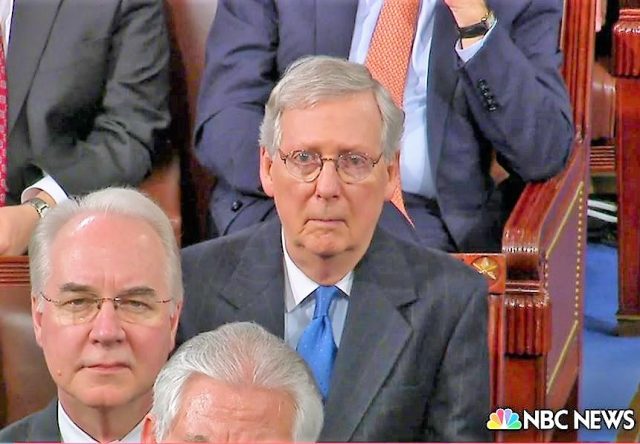
Mitch McConnell isn't the flashiest person on Capitol Hill. To put it mildly. Chuck Schumer regularly beats McConnell to the TV cameras, and Nancy Pelosi makes grand pronouncements as if the Senate and McConnell don't exist.
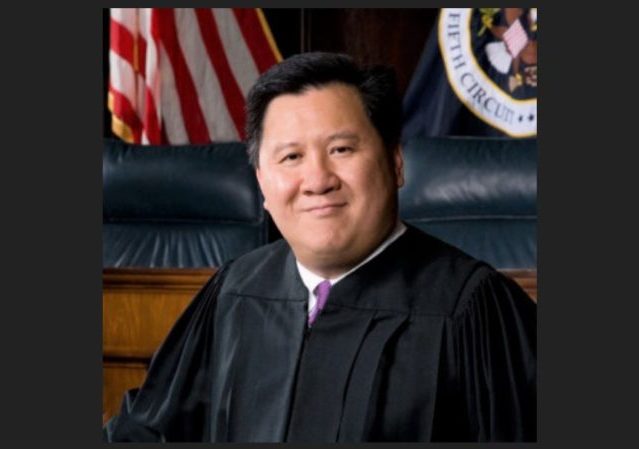
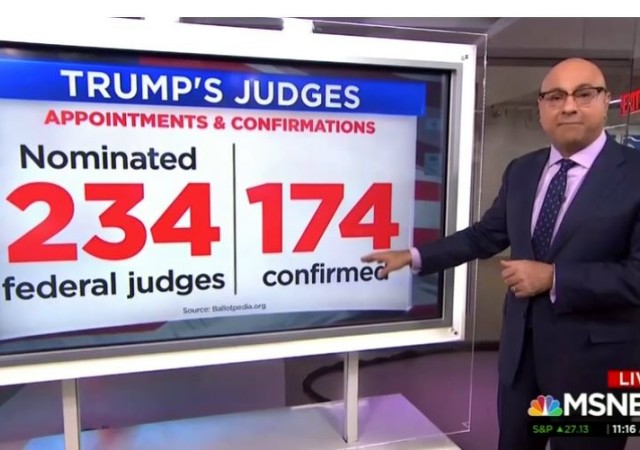
Appointing conservative judges is the one objective that unites the Republican Party. It is one of the few things the Senate can do without the House. And it is something that immediately impacts public policy because, during times of divided government, many political fights end up being resolved judicially.

This week ended with the Senate confirming 8 federal judicial nominees, bringing the total of Trump-appointed federal judges to 172, one-fifth of the federal judiciary. But liberals and the mainstream media barely paid attention because they all were focused on Jerry Nadler's law professor show, which was so boring and worthless, even Nadler had trouble staying awake.

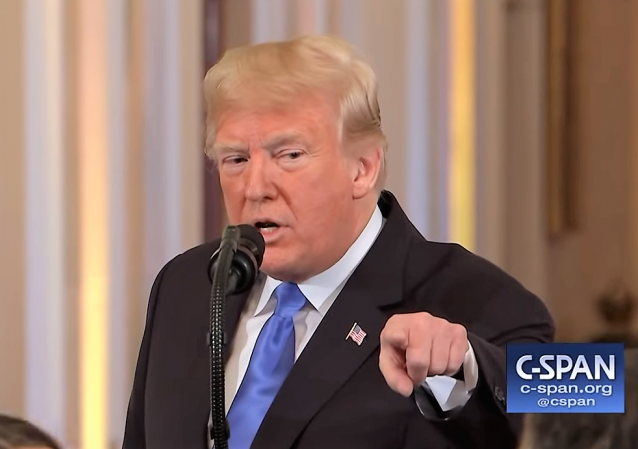
Donald Trump recently celebrated a milestone -- 150 federal court judges confirmed, including 43 Appeals Court judges. Liberals were late to wake up to the fact that while they were obsessing over supposed Russia collusion, Trump was reshaping the federal judiciary for a generation.

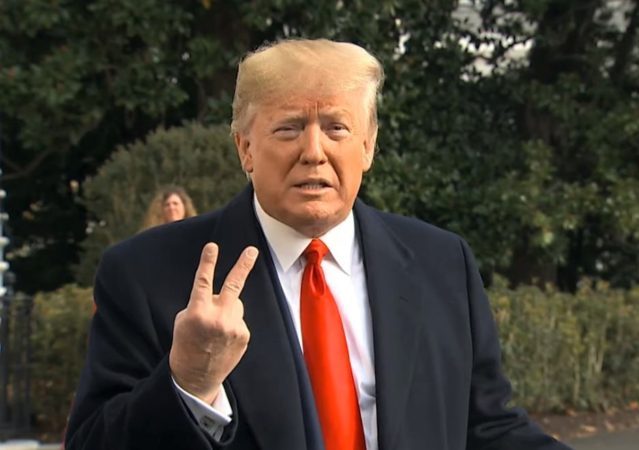
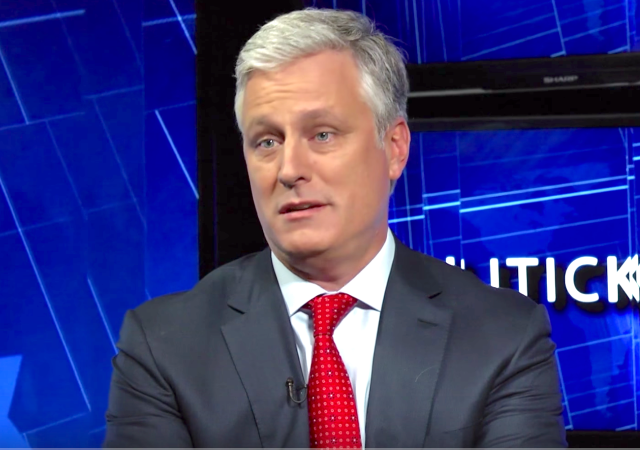
President Donald Trump announced Wednesday morning that he picked Robert C. O'Brien as his new national security adviser. He currently serves as the special presidential envoy for hostage affairs. The move comes a few days after Trump dismissed John Bolton as his national security adviser. Trump said the two of them had too many disagreements on foreign policy.

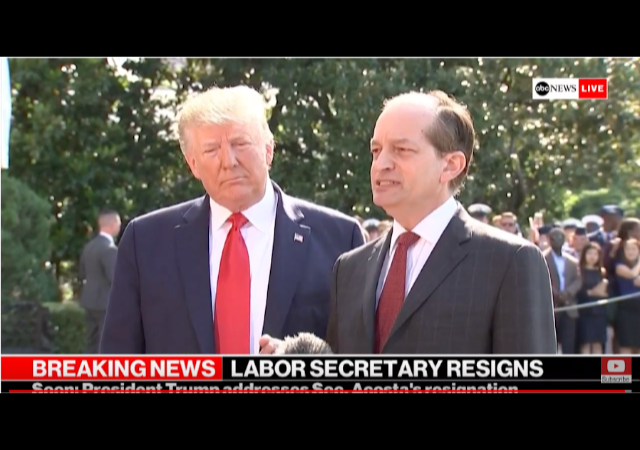
Labor Secretary Alexander Acosta told reporters, with President Donald Trump by his side, that he will resign from his post effective in one week. Acosta has come under fire recently over the way he handled the sex trafficking case against Jeffrey Epstein in 2008 as US Attorney for the Southern District of Florida.

During the 2016 campaign, Donald Trump famously put out a list of judges he would consider for the Supreme Court if he were elected. The list served both to assure conservatives and also to motivate Republican voters. It's widely agreed that the Supreme Court specifically, and the federal judiciary more generally, were key factors in Trump's victory.