

Image 01 Image 03

Obamacare Tag

Though Obamacare was designed to force the American health insurance system into a single payer model, the free market has found a workaround. A growing number of practices are working directly with uninsured patients or with patients forgoing insurance benefits for a better price tag. Health insurance premium hikes, ridiculously high deductibles, and scant coverage make for-profit specialist shops all the more attractive.
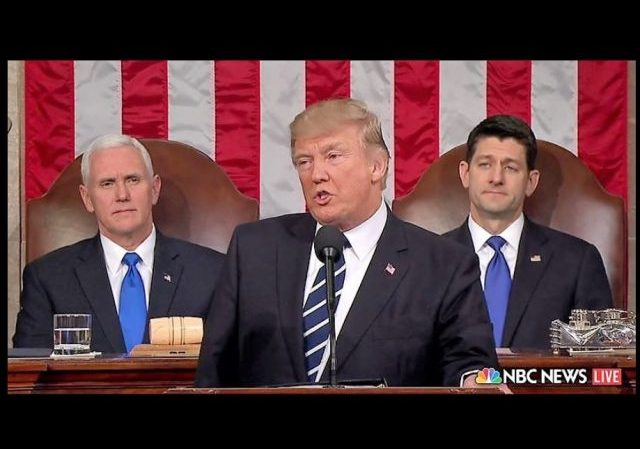
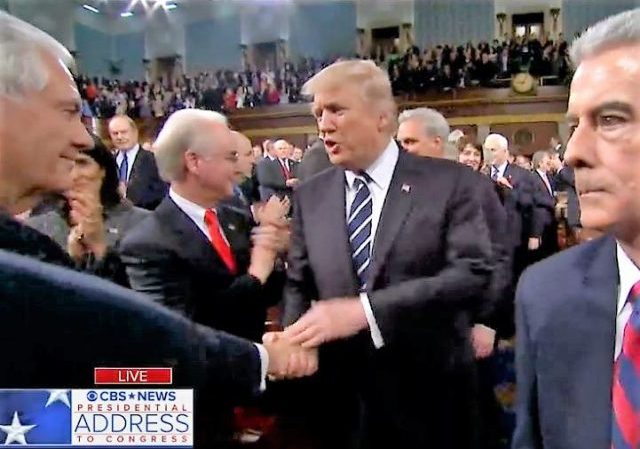
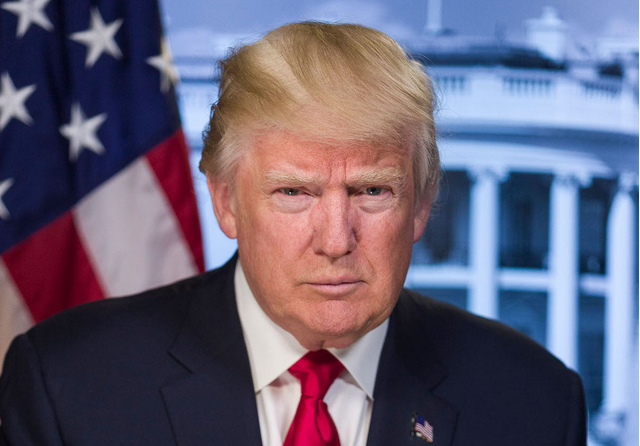
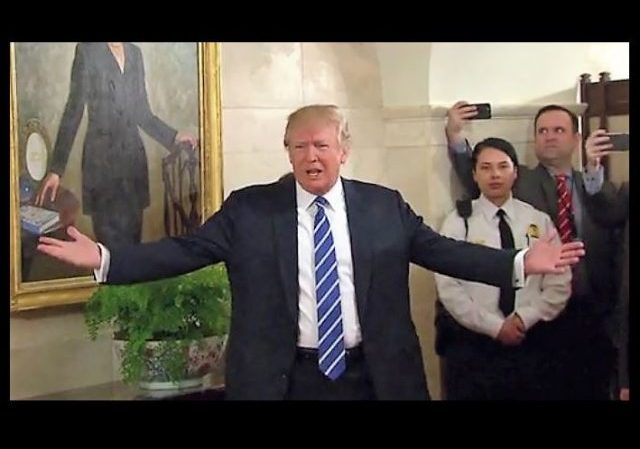
After the healthcare reform failed before it even reached the floor, President Donald Trump wanted to move onto tax reform. But he recently told The Wall Street Journal that he wants to return to healthcare:
Three weeks later, he said he is determined to resurrect the health-care bill even if it means delaying the tax overhaul, telling The Wall Street Journal in an interview: “I want to get health care done…I think I will get it done.” The tax overhaul, he said, would have to wait.

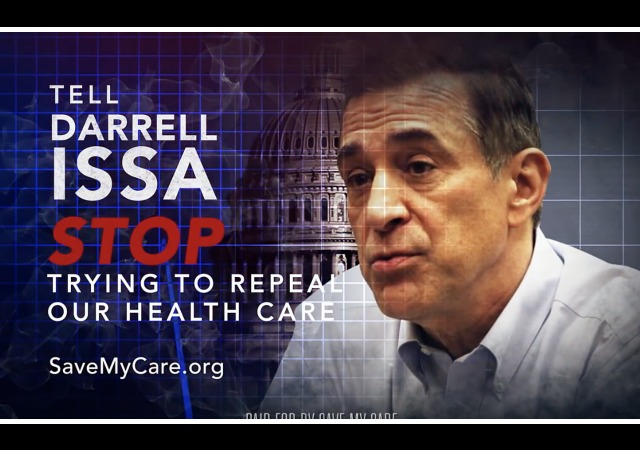
Midterms are 18 months away, but groups on both sides have planned ads to target vulnerable Republicans over the failure to repeal or reform healthcare. Congress has begun its recess, which has led groups like Save My Care to release ads. The group has spent $1 million on TV spots this month "that highlight the members’ support for the GOP health-care plan that now stands in limbo in the House." But conservative groups have also planned ads "against moderate Republicans" they placed blame on "for the holdup on an ObamaCare repeal bill."

House Republicans held meetings late into Tuesday night, hoping to find some consensus on health insurance reform before the upcoming recess to no avail. By all accounts, there's still no other Obamacare repeal plan and so lawmakers, including Vice President Pence, are still trying to make the failed American Healthcare Act (AHCA) work.

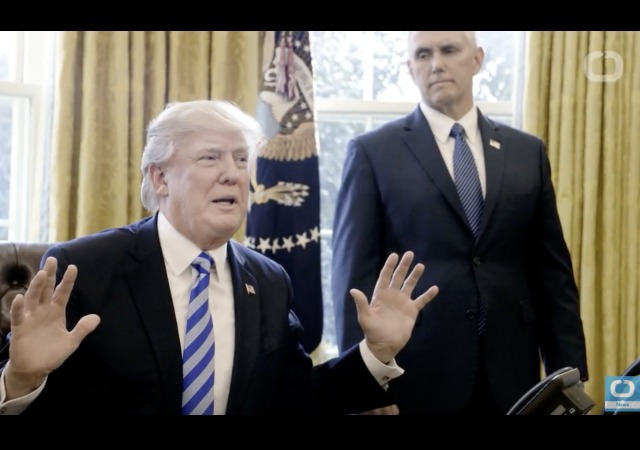
Vice President Mike Pence has been conducting meetings with lawmakers over a new Obamacare repeal plan Tuesday as the House scrambles to clean up the last healthcare failure. Unfortunately, it does not look like that the tide will turn anytime soon. While talks include seeking out provisions to appease hard-line conservatives, moderates may now push back.

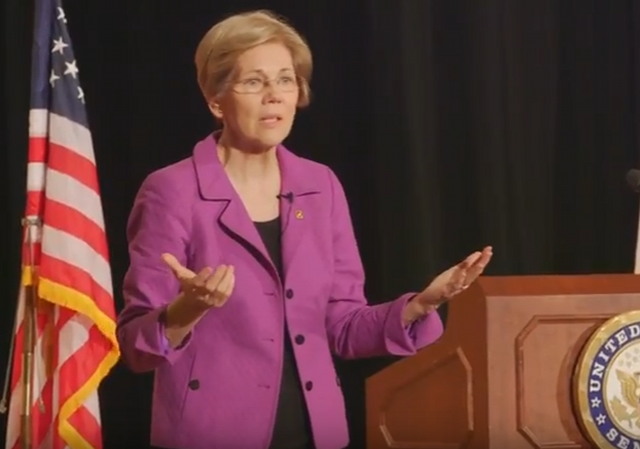
Elizabeth Warren's opinion on healthcare and the single payer option seems to shift with political convenience. It's hard to believe, isn't it? Back in 2012, when being a good Democrat meant defending Obamacare at all costs, she abandoned her prior support for a single payer plan. She got caught in an interview with liberal Boston radio host Jim Braude. Here's a transcript of their conversation via the Weekly Standard:
Elizabeth Warren Supported Single-Payer Before She Opposed It HOST: If you were the tsarina, something like single-payer, government run health care, far lower administrative costs, that sort of thing, would be the Senator Warren prescription, would it not? ELIZABETH WARREN: I think right now what we have to do--I’m serious about this--I think you’ve got to stay with what’s possible. And I think what we’re doing–and look at the dust-up around this–we really need to consolidate our gains around what we’ve got on the table.

Was the end goal of Obamacare to create the expectation of universal health coverage? Charles Krauthammer thinks so:
On Friday's edition of 'Special Report' on Fox News Channel, syndicated columnist Charles Krauthammer made the case that President Obama's strategy for Obamacare was not to create a perfect health care system, but to create the expectation that health care is something the government is responsible for. He said Obama had been successful at "creating the expectation of universal care" and that as a result "the zeitgeist of the country has really changed."...

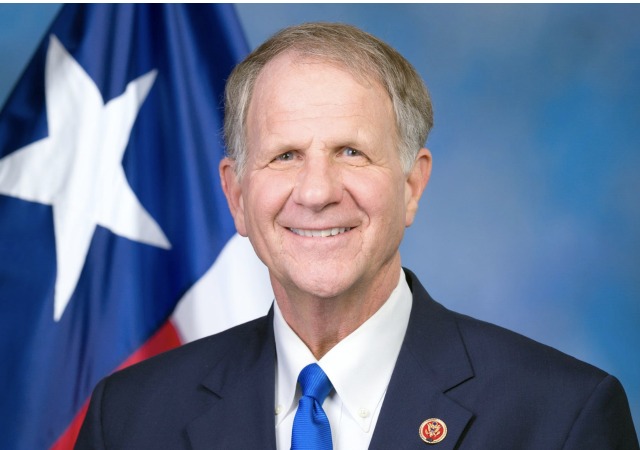
Rep. Ted Poe (R-TX) has resigned from the Freedom Caucus over the GOP healthcare fiasco because he wanted to vote for the bill:
“To deliver on the conservative agenda we have promised the American people for eight years, we must come together to find solutions to move this country forward," Poe said through his congressional office. "Saying no is easy, leading is hard, but that is what we were elected to do. Leaving this caucus will allow me to be a more effective member of Congress and advocate for the people of Texas. It is time to lead."

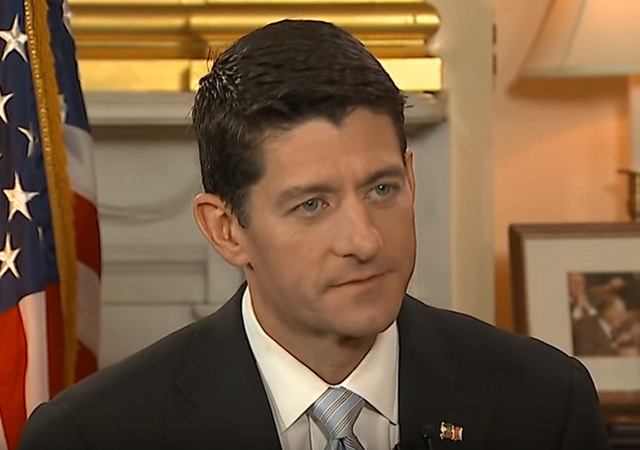
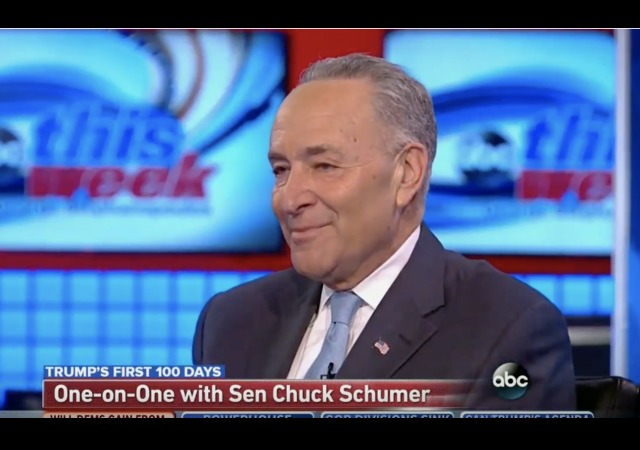
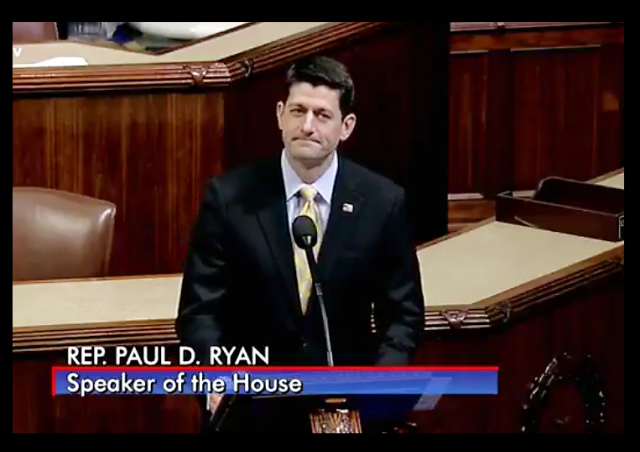
The GOP healthcare bill AHCA failed before Speaker Paul Ryan (R-WI) could even bring it to the floor. Of course, the Democrats have used this opportunity to gloat and take credit on television, even though they hold the minority in the House and Senate. Senate Minority Leader Chuck Schumer and House Minority Leader Nancy Pelosi led the charge.

Update: No vote today

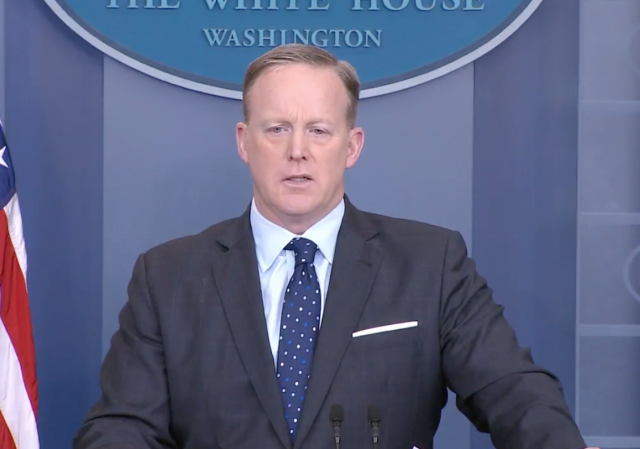
After hours of late-night, pizza-filled negotiations, Politico reports Trump and a small, but disruptive contingent, the House Freedom Caucus (HFC), have been unable to come to an agreement on the American Health Care Act (AHCA), what House Republicans promise is the first in a three-step approach to repealing and replacing Obamacare. But in today's White House press briefing, Press Secretary Sean Spicer said some members of the HFC pledged to vote for the AHCA. I'm guessing Politico's report is based on the fact that Trump was unable to move the entire HFC block. The last minute negotiations left some Republicans feeling they were making the same missteps as Democrats when Obamacare was slopped together in a fury of revisions over Christmas.

The American Health Care Act (AHCA) dubbed Ryancare, Trumpcare, GOPcare, and even RINOcare (take your pick), is the first step of three in repealing and replacing Obamacare, so we're told. This first bit of legislation can only address tenets of Obamcare that pertain to the budget (see also: reconciliation). Congressional Republicans have promised more substantive regulatory changes and reforms in bills to follow. The House is slated to vote on the AHCA Thursday, but do Republicans have the votes?

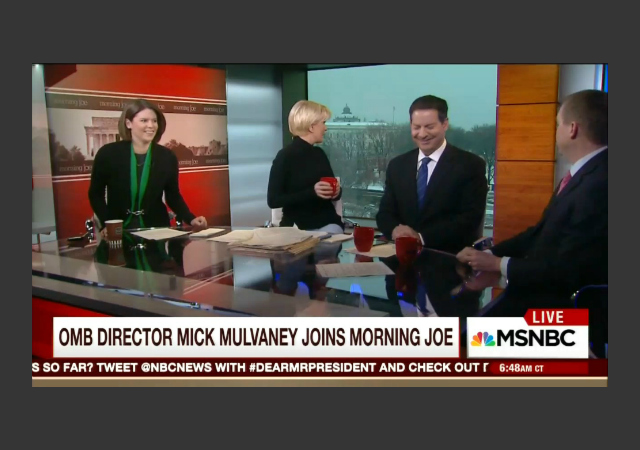
If you haven't seen OMB Director Mick Mulvaney in action, do yourself a favor and watch the video here. On today's Morning Joe, Mulvaney showed himself to be smart, well-spoken, undefensive and down-to-earth as he systematically demolished Mika's, and by extension, the CBO's, claims about the Trump admin's health care proposal. Before Mulvaney appeared, the panel had engaged in extended hand-wringing over the loss of coverage that the CBO has projected. Mulvaney made three telling points: