

Image 01 Image 03

China Tag

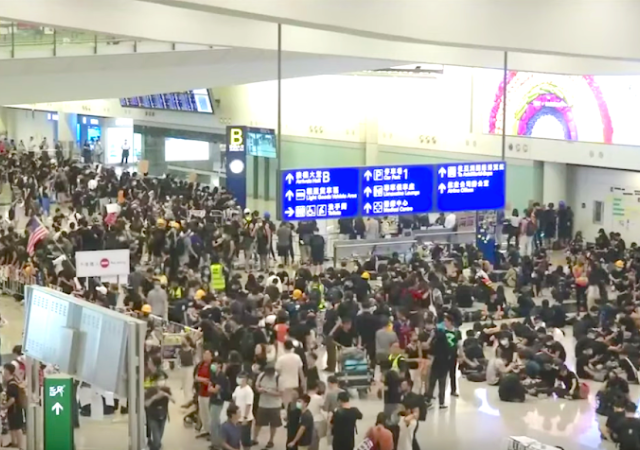
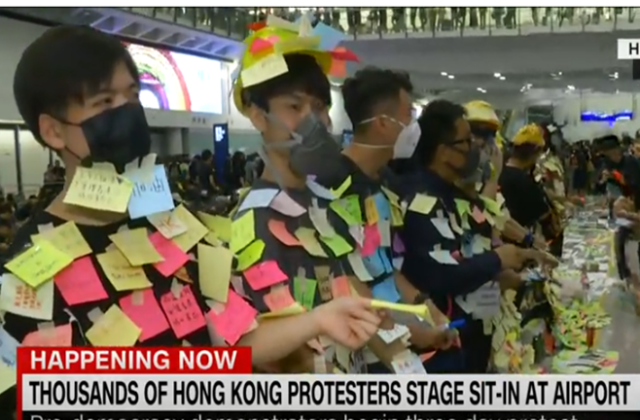
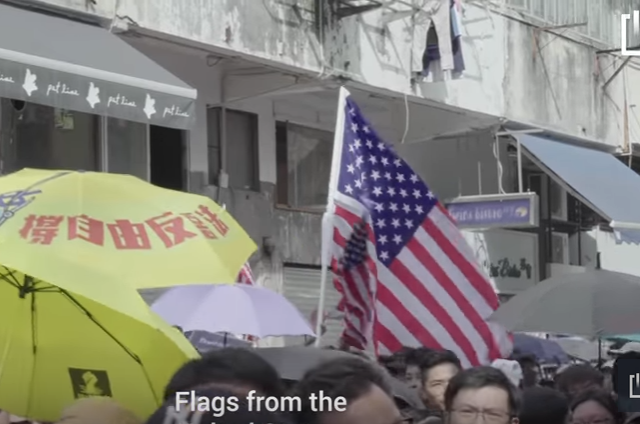
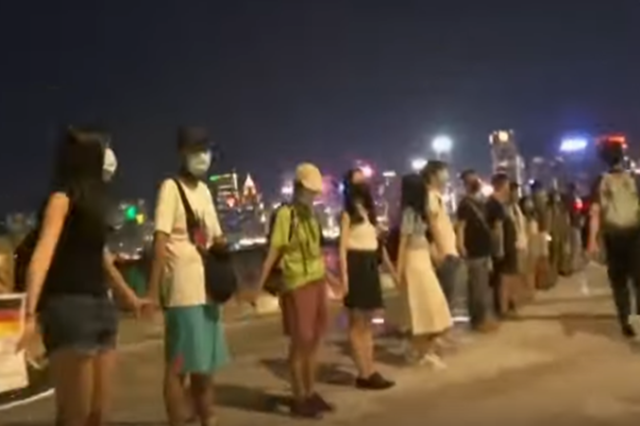
The pro-democracy protests in Hong Kong continue against the wishes of those in charge. High school students began the school year in gas masks and joining hands to form human chains. College students held a strike, waved flags, and chanted protest slogans.
After a summer of demonstrating in the streets, outside municipal offices and in the airport, students refuted the government’s wishful assertion that once they returned to school the months of pro-democracy protests that have roiled the city would come to an end.
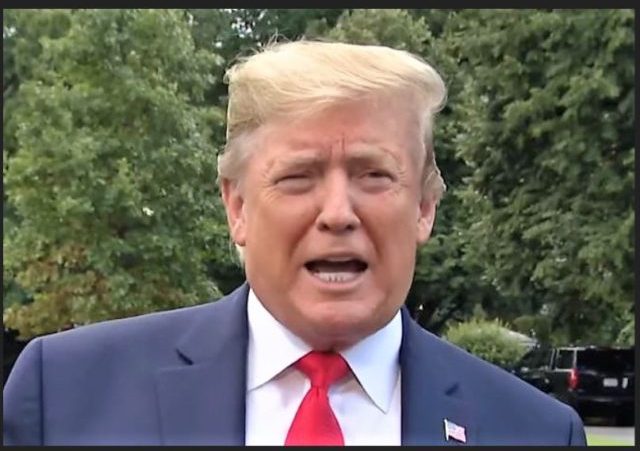
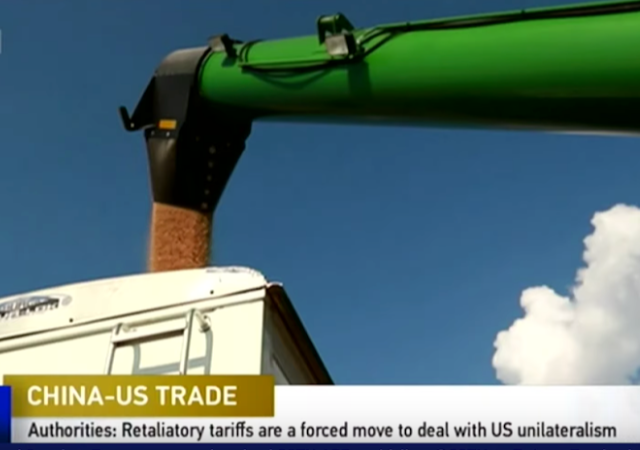
China has decided to implement tariffs on $75 billion worth of U.S. goods as the U.S. plans to impose tariffs on $300 billion worth of Chinese products. These additional tariffs will cover almost all of the remaining U.S. products imported to China.

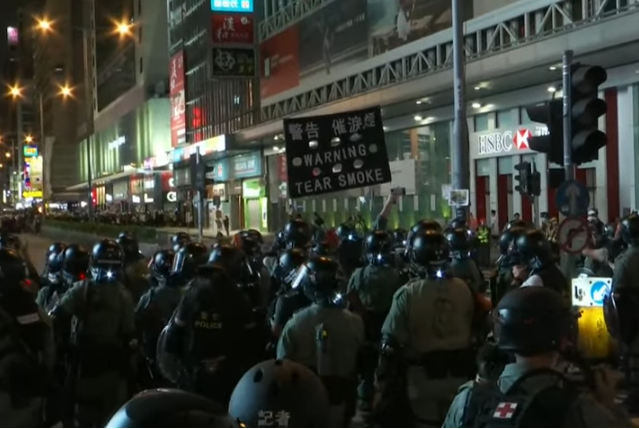
When I began covering the protests in Hong Kong, I noted that China had two options for dealing with the city-state's citizens and their demands for freedom and justice: Cooperation or crackdown. Clearly, the decision has been made.
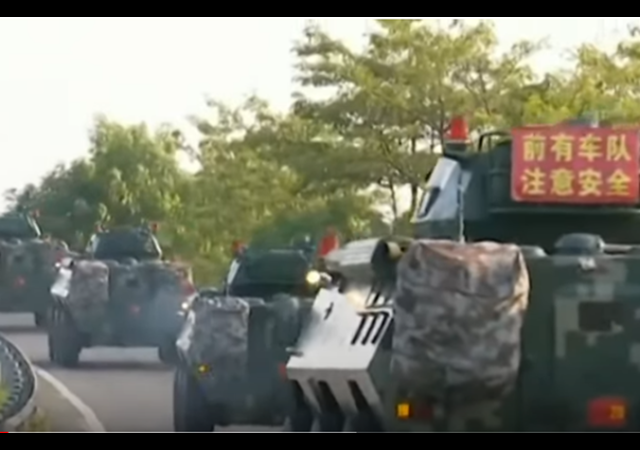
Large numbers of Chinese paramilitary forces have been filmed assembling just 30km (18.6 miles) from Hong Kong in the city of Shenzhen, as riot police clashed with protesters occupying the airport for a second day.

While I was on my family vacation, I was following the events in Hong Kong through my step-daughter (who is fluent in Chinese, works in Beijing, and holds several degrees in Chinese language and culture).  She noted that the Hong Kong protests were likely to continue for the foreseeable future.

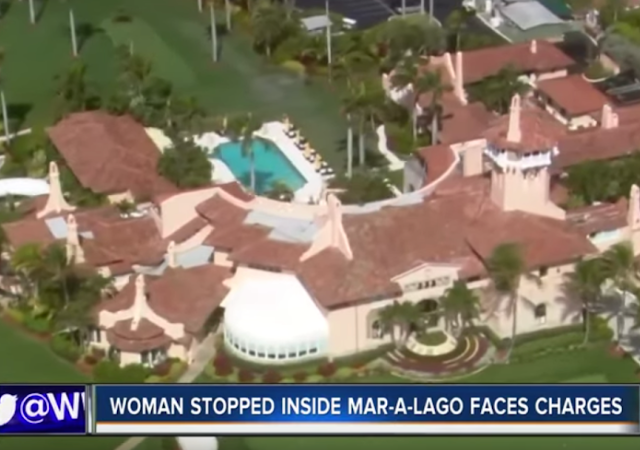
Secret Service arrested a Chinese national identified as Yujing Zhang after she managed to get past past initial security at Mar-a-Lago over the weekend with President Donald Trump in town. Zhang had four cell phones, laptop, external hard drive, and a thumb drive. The complaint against her stated the thumb drive had "malicious software."

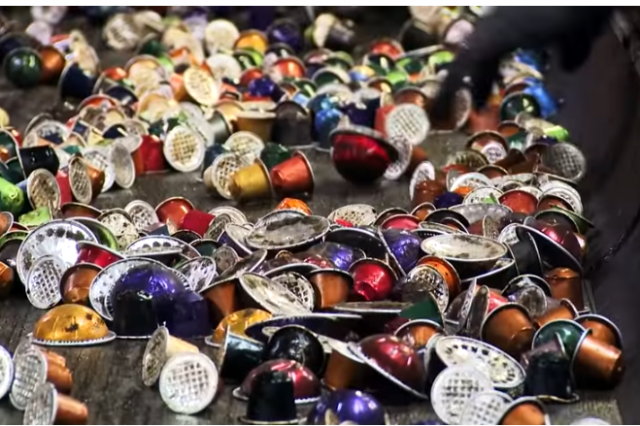
Communities across the nation have promoted the virtues of recycling, and millions of Americans have dutifully segregated their wastes to "save the planet." However, now many of those programs have started to end because of escalating costs.
Philadelphia is now burning about half of its 1.5 million residents’ recycling material in an incinerator that converts waste to energy. In Memphis, the international airport still has recycling bins around the terminals, but every collected can, bottle and newspaper is sent to a landfill. And last month, officials in the central Florida city of Deltona faced the reality that, despite their best efforts to recycle, their curbside program was not working and suspended it.