

Image 01 Image 03

Author: William A. Jacobson

Profile photo

William A. Jacobson

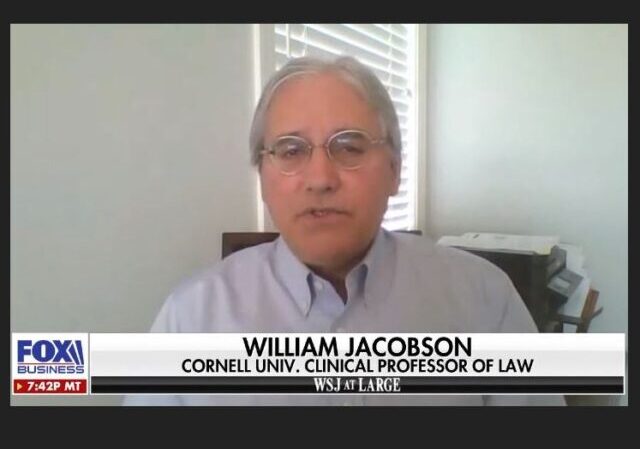
William A. Jacobson is a Clinical Professor of Law and Director of the Securities Law Clinic at Cornell Law School.

He is a 1981 graduate of Hamilton College and a 1984 graduate of Harvard Law School. At Harvard he was Senior Editor of the Harvard International Law Journal and Director of Litigation for the Harvard Prison Legal Assistance Project.

Prior to joining the Cornell law faculty in 2007, Professor Jacobson had a highly successful civil litigation and arbitration practice in Providence, Rhode Island, concentrating in investment, employment, and business disputes in the securities industry, including many high profile cases reported in leading newspapers and magazines.

Professor Jacobson has argued cases in numerous federal and state courts, including the Courts of Appeal for the First, Fifth and Sixth Circuits, and the Rhode Island Supreme Court.

Professor Jacobson has a national reputation as a leading practitioner in securities arbitration. He was Treasurer, and is a former member of the Executive Committee and Board of Directors of the Public Investors Arbitration Bar Association, a professional organization of attorneys dedicated to protecting public investors. He frequently is quoted in national media on issues related to investment fraud and investor protection, and in the past has served as one of a small number of private practice attorneys who trained new arbitrators for the Financial Industry Regulatory Authority.

Professor Jacobson is co-author of the Securities Arbitration Desk Reference (Thomson-Reuters), updated annually.

Professor Jacobson is frequently quoted in the media on political and legal topics, has authored many Op-Eds in major publications, and appears on television and radio to discuss politics and the law.

A more complete listing of Professor Jacobson's professional background is available at the Cornell Law School website. The views expressed here are his own and not those of any employer or organization,

The best way to reach Prof. Jacobson is by e-mail here.

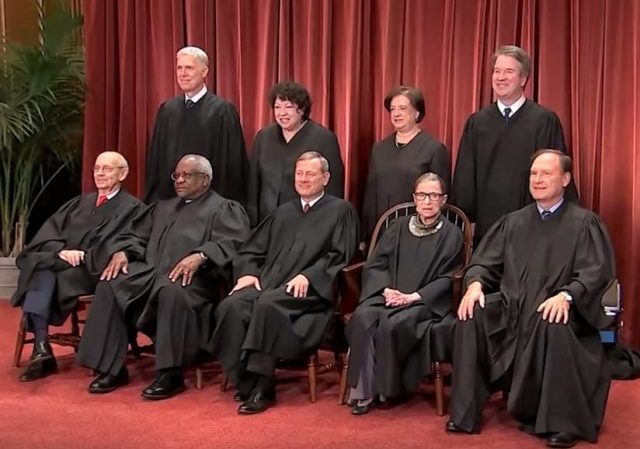
Last night, Supreme Court Chief Justice John Roberts joined the four liberal justices to deny injunctive relief to a church in Nevada which claimed that lockdown rules discriminated against religious groups, allowing much more lenient reopening for secular businesses such as casinos. This case was similar to the case from California, which we wrote about in late May, SCOTUS: Roberts Joins Liberals To Reject Injunction in California Religious Discrimination Lockdown:

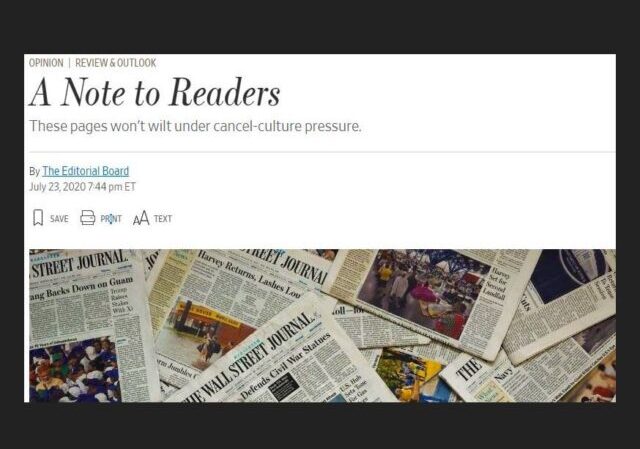
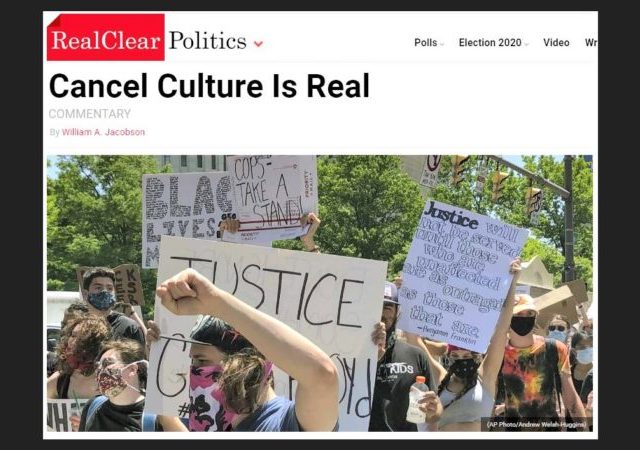
Here we go again, the great debate over whether "cancel culture" is real. It is real, as I wrote in my op-ed at Real Clear Politics, Cancel Culture Is Real. The people claiming cancel culture is not a real thing, that it's just a gripe of people who don't like being criticized, almost always are those on the giving, not receiving, end -- the people on campuses and in the culture who hold power in given institutions.

There are multiple appellate fronts in the Gibson's Bakery v. Oberlin College case. First and most important, Oberlin College and Dean Meredith Raimondo have appealed seeking to overturn the massive compensatory and punitive damage verdicts. Numerous entities have come to their assistance by filing amicus (friend of the court) briefs, including certain Cleveland media entities. The Gibsons' response to the appeal is due by August 5.

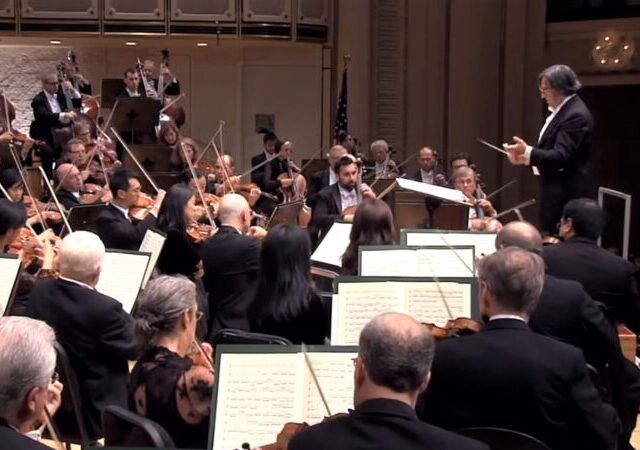
I learned something new today. For decades leading symphony orchestras have used "blind auditions" to hire musicians. That is, the musicians are not seen at all, only their music is heard. That way, implicit or explicit racial, ethnic, or gender bias cannot enter into the hiring decision, only the quality of the music. It is as close to a pure meritocracy as I can imagine.

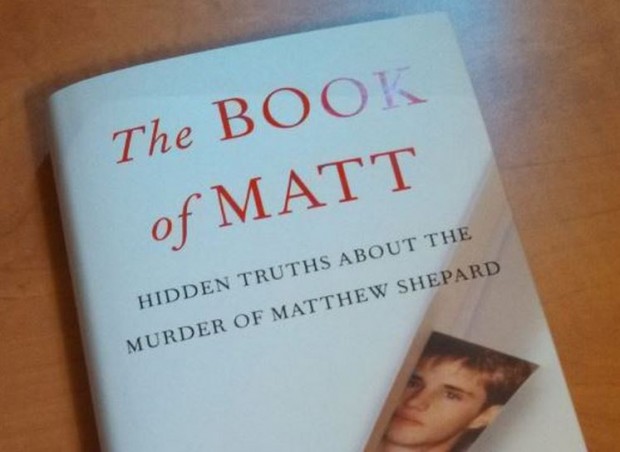
In 2013, we wrote a series of posts about the 1998 death of Matthew Shepard, a death widely described as an anti-gay hate crime, resulting in federal legislation, The The Matthew Shepard and James Byrd, Jr., Hate Crimes Prevention Act of 2009, 18 U.S.C. § 249. The occasion of our series of posts was the publication of a book by author Stephen Jimenez, The Book of Matt, which called into question the narrative of the death as an anti-gay hate crime.

Why do so many people, Democrat and Republican alike, assume that felons released from prison will vote Democrat, and that a Florida ballot initiative that passed in 2018, restoring voting to ex-felons, would help Democrats? It's not clear that's true, at least not to the extent people assume.

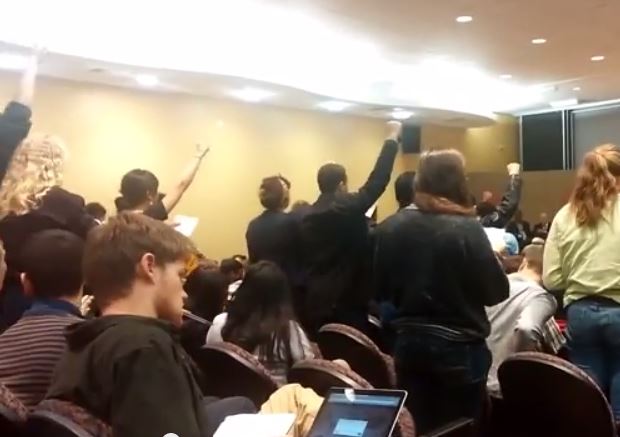
I have repeatedly pointed out, in response to the cancel culture targeting me over my criticism of the Black Lives Matter movement, that things have changed on campuses in ways most people don't fully appreciate. The new activism surrounding race is completely at odds with the traditional goals of the civil rights movement -- that all people be treated with dignity and afforded the protections of our laws without regard to race.

The appeal brief of Gibson's Bakery opposing the appeal of Oberlin College and Meredith Raimondo is due on August 5, after Gibson's motion for a final extension of time was granted by the appeals court Magistrate. Gibson's previously filed its Cross-Appeal Brief, seeking reinstatement of the full punitive damages verdict. While the regular briefing has been pending, a group of media and other groups asked permission to file so-called Amicus (friend of the Court) briefs in support of the college's appeal.

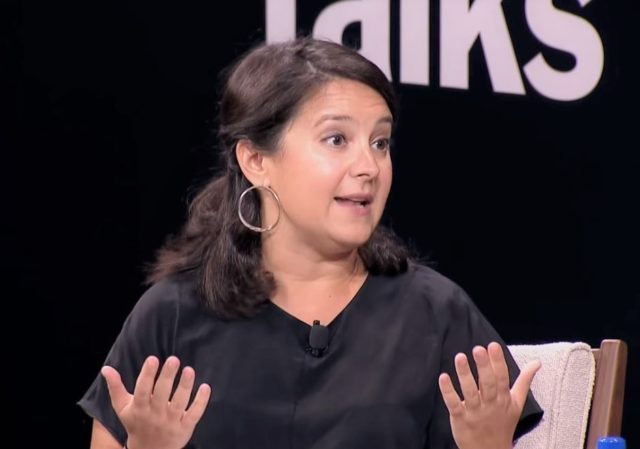
Bari Weiss is a liberal columnist who just resigned from the NY Times. Her resignation letter has gone viral. Weiss never was a good fit at the NY Times, just as Bret Stephens isn't, because she is pro-Israel and speaks out against anti-Semitism at a paper that relentlessly pushes the false narrative of Palestinians as victims and Jews as oppressors in Israel and elsewhere. Those pro-Israel pro-Jewish stances were at the core of the hostility to her (in my opinion), or as she puts it in her resignation letter: