Houston's summer was marred by a battle over religious liberties and overreaching government.
Sparring over a
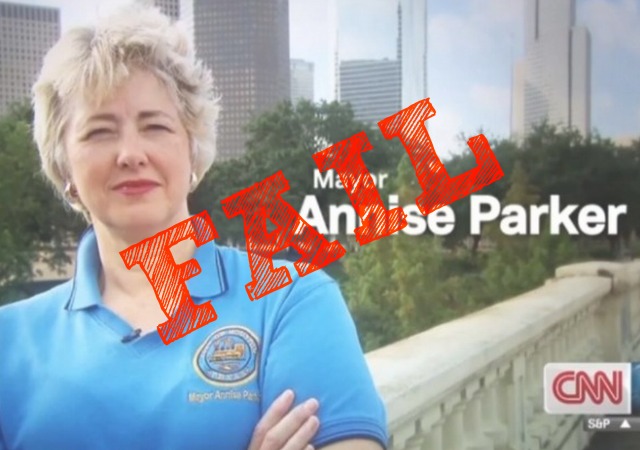
city ordinance that would force businesses, among other things, to allow transgendered clientele the use of opposite sex restrooms or risk discrimination suits, Bayou City area clergy and the government aren't exactly on the best of terms.
Rather than placing the measure on the ballot, City Council enacted the reform via city
ordinance. Rallying together, clergy and concerned citizens submitted over more than twice as many required to repeal the ordinance. Then the validity of the signatures was called to question by the city attorney.
And that's where this story picks up. The Houston City government made a bad situation worse when it subpoenaed five local area pastors.
The
subpoena requests any and all communication, electronic and otherwise that remotely mentions the above mentioned city ordinance battle. But it doesn't stop there:
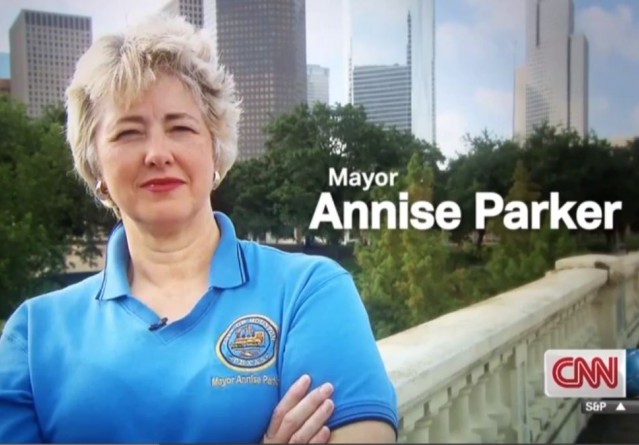
All speeches, presentations, or sermons related to HERO, the Petition, Mayor Annise Parker, homosexuality, or gender identity prepared by, delivered by, revised by, or approved by you or in your possession.
Churches qualify for 501(c)(3) tax exempt status and can lose that status by engaging in electioneering or elicit candidate endorsement, just the same as any other 501(c)(3) organization; but none of the subpoenaed material falls within that category.