
Image 01 Image 03

FBI Tag

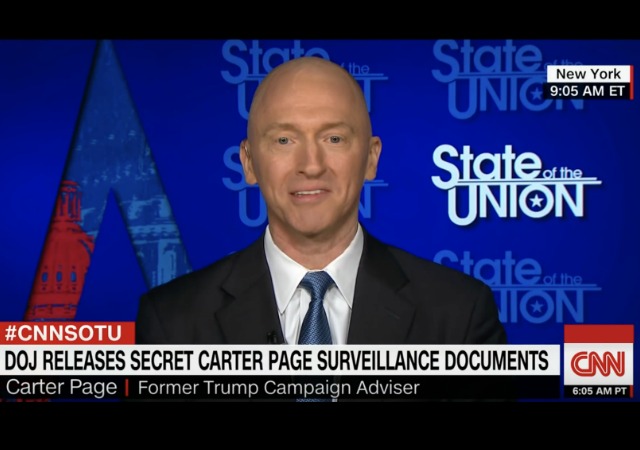
The Department of Justice released the FISA documents, 412 pages total (pdf.), related to the surveillance of Carter Page, an advisor to President Donald Trump's 2016 presidential campaign. The heavily redacted documents show that officials used "the infamous and unverified Steele Dossier" to receive the warrant in 2016 and the renewals.

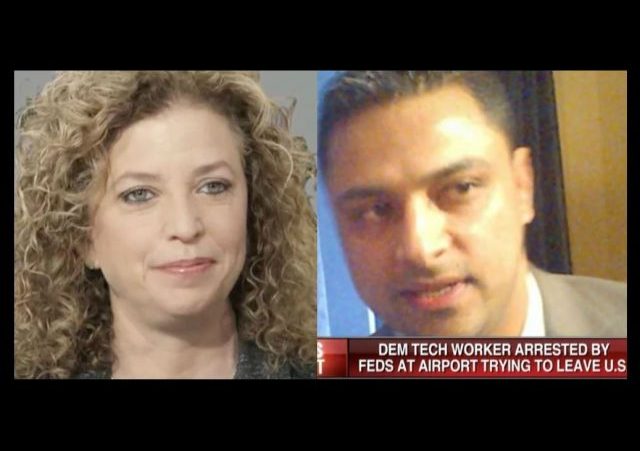
The Daily Caller's Luke Rosiak continues to do a great job with the story about Rep. Debbie Wasserman Shultz's former IT aide Irwan Awan and his family. The publication received a memo dated February 3, 2017, from Congress's top cop Sergeant-at-Arms Paul Irving to the Committee on House Administration (CHA). Irving and Chief Administrative Officer (CAO) Phil Kiko wrote that the House Democratic Caucus's server disappeared after it became evidence in the cybersecurity probe against Awan. The two men "concluded that the employees [Democratic systems administrator Imran Awan and his family] are an ongoing and serious risk to the House of Representatives, possibly threatening the integrity of our information systems and thereby members’ capacity to serve constituents.”

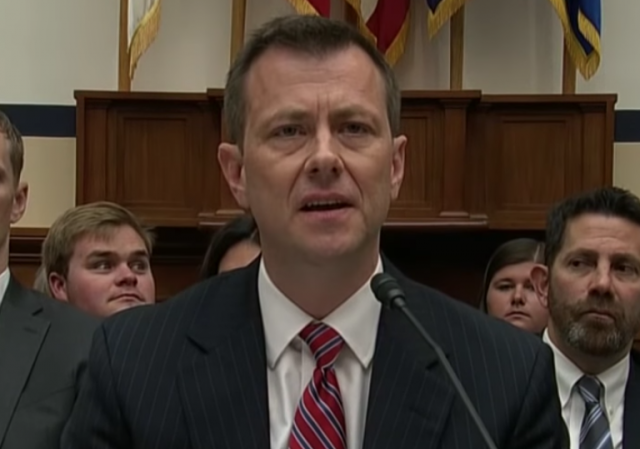
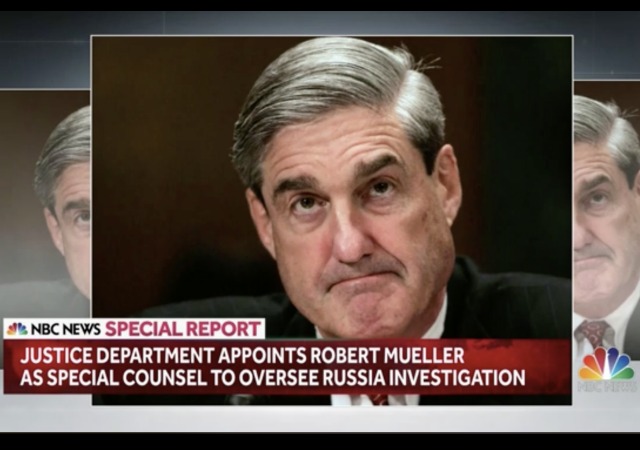
An FBI Attorney who was part of Mueller's investigative team until February sent several anti-Trump texts. The texts were released in the IG report published Thursday. One of the anti-Trump text messages sent to a colleague read, "Viva le Resistance."

The Department of Justice (DOJ) indicted James Wolfe, the Senate Intelligence Committee's former security director, for allegedly lying to the FBI about possible leaks to three reporters. The FBI investigated how New York Times reporter Ali Watkins "learned that Russian spies in 2013 had tried to recruit Carter Page, a former Trump foreign policy adviser" after she published an article about it at BuzzFeed. Turns out, Watkins and Wolfe had a relationship for three years.

Outgoing Rep. Trey Gowdy (R-SC) caused quite a stir when he said on TV that he found no evidence that the FBI spied on President Donald Trump's campaign after he received a briefing from the DOJ and FBI. Now reports have emerged that Gowdy and others at the meeting did not see any documents or subpoenas they requested.

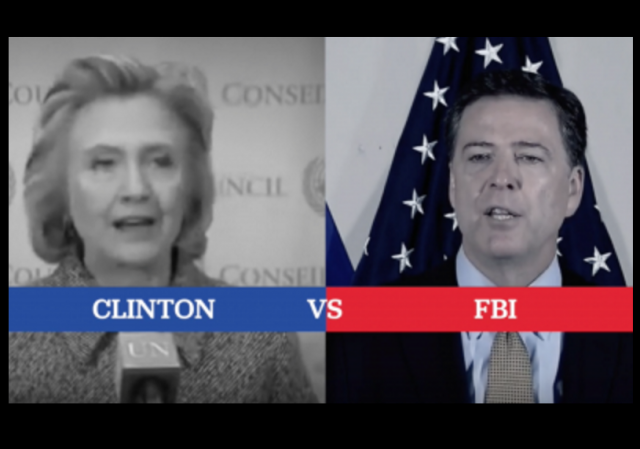
The Hill has reported that the House Judiciary and Oversight Committees will interview three witnesses in June over the FBI's handling of the investigation into Hillary Clinton's email probe. They will interview "Bill Priestap, the assistant director of the FBI’s counterintelligence division, and Michael Steinbach, the former head of the FBI’s national security division," along with "John Giacalone, who preceded Steinbach as the bureau's top national security official and oversaw the first seven months of the Clinton probe."

Whew boy. This has not been a good few days for the "any suggestion the FBI was out to damage Trump is conspiratorial kookery" crowd. Chairman of the Senate Committee on Homeland Security and Governmental Affairs, Sen. Ron Johnson, requested information from FBI Director Christopher Wray Monday.

Unlike Watergate, the current crisis in government/spying/politics doesn't have a memorable name. But for those of us who lived through Watergate, it has a certain resonance with that event as well as major differences, imparting a strange sense of familiarity, dislocation, and increasing alarm.

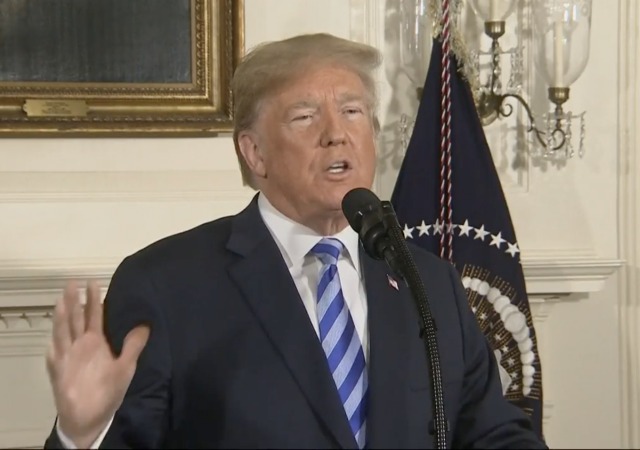
As we noted yesterday, the leftstream media is busily trying to spin the Obama FBI's spying on the Trump campaign. Today, President Trump has announced that his will formally demand that his DOJ investigate "whether or not the FBI/DOJ infiltrated or surveilled the Trump Campaign for Political Purposes - and if any such demands or requests were made by people within the Obama Administration!"

And here it is. The New York Times confirms Trump's claims, which have been frequently dismissed by major media outlets as kooky and conspiratorial, true. Under the Obama administration, the intelligence community DOJ officials spied on Trump's campaign. Operation "Crossfire Hurricane" is what they called it. It was a super double secret operation that only a handful of agents and DOJ officials were aware of.

In The Wall Street Journal, Kimberley Strassel penned an op-ed that suggests the FBI may have placed a mole within then-GOP presidential candidate Donald Trump's campaign since the department will not reveal its top-secret source. And when did the FBI become so secretive? A former FBI agent wrote in the WSJ that in his time, Congress wouldn't ever need to request a subpoena to retrieve information from the bureau.