

Image 01 Image 03

World War II Tag

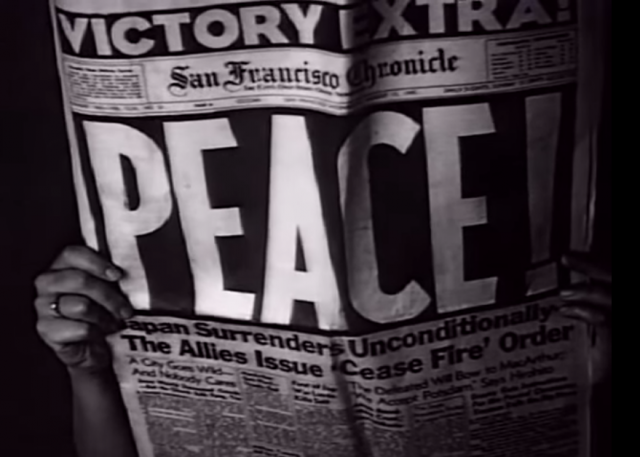
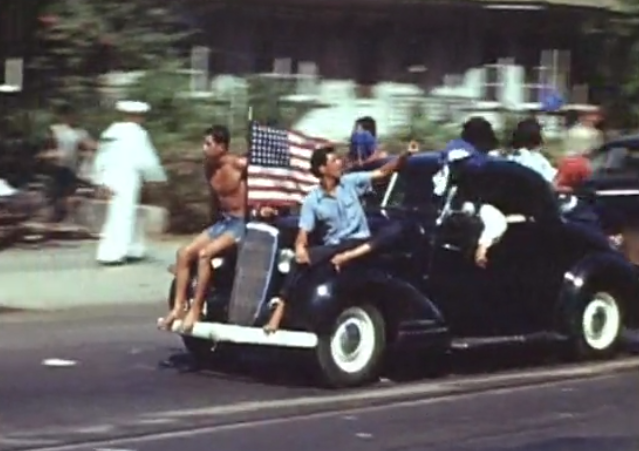
I have run the video below a number of times, starting on July 4, 2012. It's a video of Victory over Japan (VJ) Day, August 14, 1945. For some reason, it seems so appropriate to play on July 4. It was forwarded to me by reader TowsonLawyer, who wrote:
Just in time for the Fourth of July - Lost Film from 1945
Here's the story from Richard Sullivan:
67 Years Ago my Dad shot this film along Kalakaua Ave. in Waikiki capturing spontaneous celebrations that broke out upon first hearing news of the Japanese surrender. Kodachrome 16mm film: God Bless Kodachrome, right? I was able to find an outfit (mymovietransfer.com) to do a much superior scan of this footage to what I had previously posted, so I re-did this film and replaced the older version There are more still images from this amazing day, in color, at discoveringhawaii.com.
What it must have felt like.

The story "The Man Without a Country" used to be standard reading matter for seventh graders. In fact, it was the first "real" book---as opposed to those tedious Dick and Jane readers---that I was assigned in school. It was exciting compared to Dick and Jane and the rest, since it dealt with an actual story that had some actual drama to it. It struck me as terribly sad---and unfair, too---that Philip Nolan was forced to wander the world, exiled, for one moment of cursing the United States. "The Man Without a Country" was the sort of paean to patriotism that I would guess is rarely or never assigned nowadays to students. Patriotism has gotten a bad name during the last few decades. This trend seems to have taken root (at least in this country) with the 60s, the Vietnam era, and the rise in influence of the left. But patriotism and nationalism were rejected by a significant segment of Europeans even earlier, as a result of the devastation both sentiments wrought on that continent during World War II. (Of course, WWII in Europe was a result mainly of German nationalism run amok, but it seems to have given nationalism as a whole a very bad name, a trend that began after the carnage of World War I.)

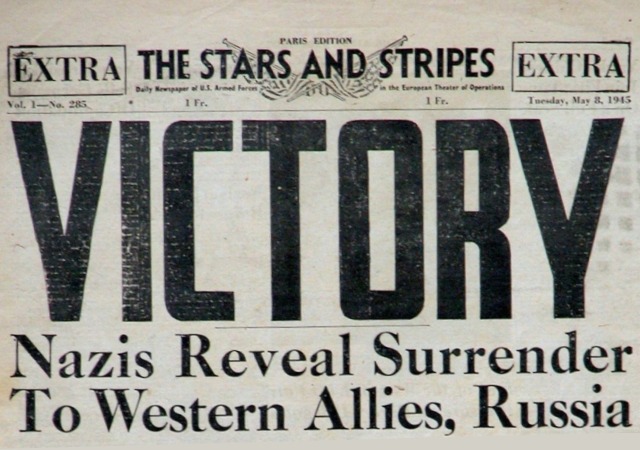
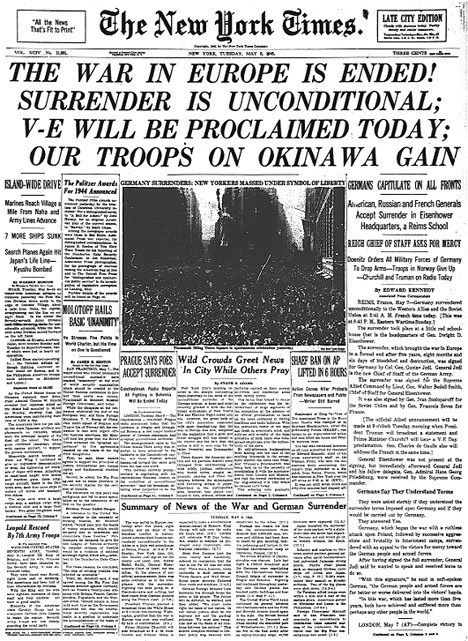
Today marks the 70th anniversary of VE Day (Victory in Europe Day), when the Nazi's surrendered to allied forces and Russia, ending World War II's European front. The battle for the Pacific would not be won until later that year, on August 14. The world celebrated the end to the bitter, bloody fight against Nazi fascism: ny times ve day

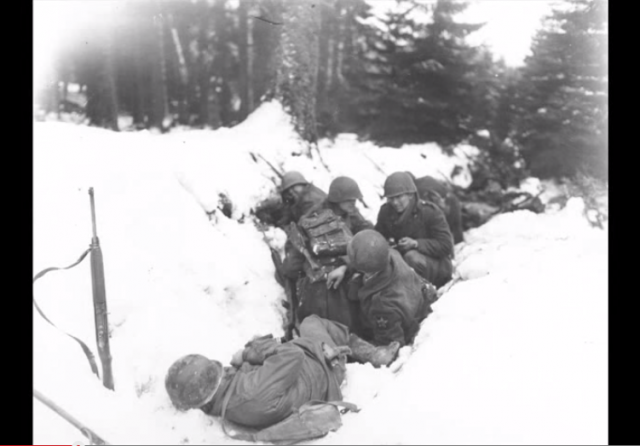
The Battle of the Bulge was a turning point in World War II, when American troops turned back the final Nazi counter-offensive on the Western front. Over 100,000 Americans would be killed or wounded before it was over.