During the past two weeks Argentina’s soccer team has rolled over its competition to advance to the World Cup Quarterfinals. Meanwhile, the team’s country has, yet again, collapsed into default.
For 12 years, Argentina has been engaged in a financial and legal row with private creditors in the US over payments on its government bonds—either long overdue or unwarranted, depending on which side you ask.
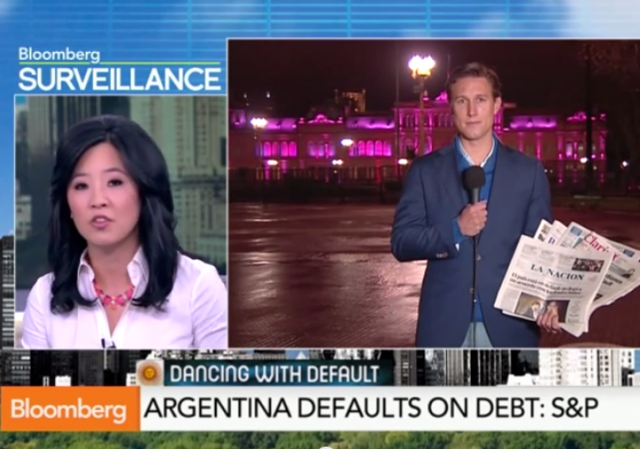
The country failed to make court-ordered payments yesterday to holders of its restructured and original—or “holdout”—debt. It is now in technical default, having missed the payment, and has a 30-day grace period to negotiate with creditors before entering true default.
Argentina’s path to financial insolvency began in the last week of 2001 when Argentina announced it was defaulting on $132 billion of its debt, which was then
one-seventh of all the money borrowed by the Third World. The announcement came in the midst of the
1998-2002 Argentine depression, itself a result of poor government policy and external economic crises.
Despite the default, some US investors scooped up these seemingly worthless bonds at enormous discounts in hopes of some future payment. In 2005 and in 2010 Argentina restructured its debts and offered these bondholders swaps to replace their original bonds for new ones at downgraded terms, and 93% of investors did take up the offer. The country also passed a law forbidding payment on the original bonds.
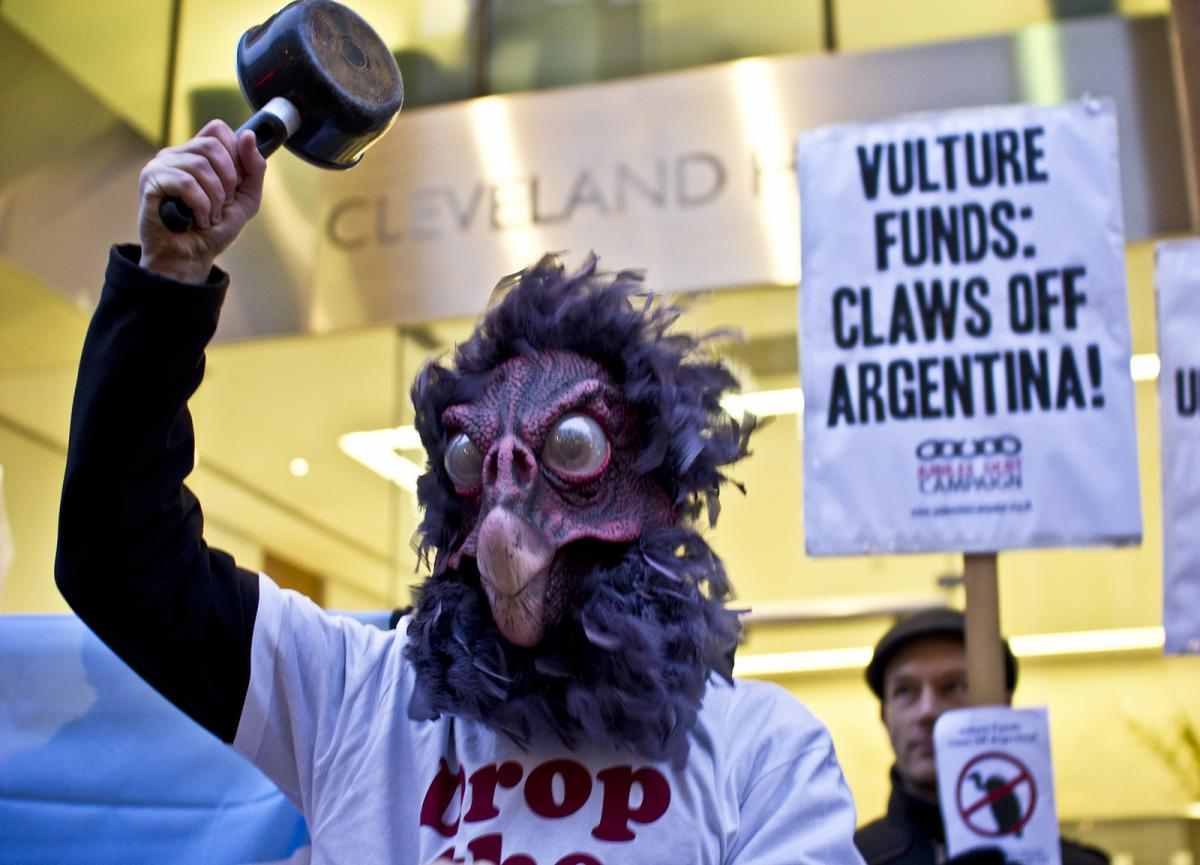
However, a small contingent of investors opted out and insisted on payment on the original bonds. The Argentine government and many elements in the international press have since called these investors
“vultures.”