Image 01 Image 03

American Muslims for Palestine Tag

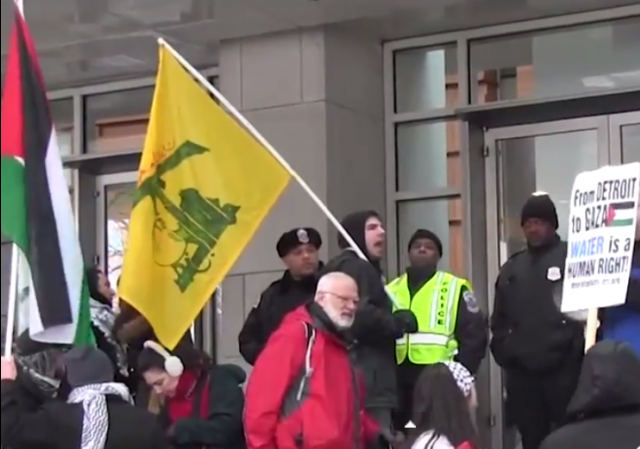
One of the most common questions I get when I give speeches about the Boycott, Divestment and Sanctions (BDS) movement has to do with its funding. BDS, including in the U.S., has plenty of money to organize, fly people around, and coordinate efforts across dozens of campuses and multiple countries. Yet BDS portrays itself as just a bunch of concerned people seeking to do social justice. The money angle, though, is barely exposed. Some of the funding comes from the fundraising efforts of tax-exempt groups like Jewish Voice for Peace and the U.S. Campaign to End the Occupation. Some of it comes from churches and church-related groups like Sabeel North America and American Friends Service Committee, which use their tax exempt status to fund anti-Israel activities. Meanwhile, faculty groups like the American Studies Association exploit and arguably violate their tax exempt status by promoting academic boycotts.
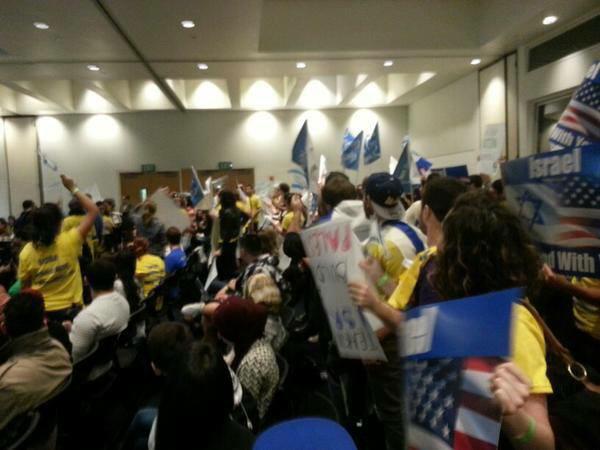

We have covered anti-Israel student government divestment votes the past couple of years. Groups, typically led by Students for Justice in Palestine assisted by Jewish Voice for Peace, try to get student governments to vote to divest from specified companies doing business in Israel, such as Caterpillar and HP. Sometimes they succeed, mostly they fail. In the end, it's purely symbolic, since student governments have no such power. Symbolism matters, though, because the campus movement is part of a larger goal of demonizing and dehumanizing Jewish Israelis.  Even when they lose a vote, the BDS crowd claims victory because they forced people to talk about their issue. Last academic year there were a series of divestment initiatives that failed, but recently in the U. California system, several have passed. The anti-Israel groups are very strategic, taking the time to elect their supporters to student councils, and that long-term strategy has paid off in places like UCLA, which rejected divestment last spring, only to see it pass this fall after a change of board membership. One thing that slowly is coming to light, however, is that the anti-Israel movement is not the grassroots, student-led movement it purports to be. In fact, it has a highly coordinated, well-funded action plan assisted and coordinated by outside groups. A column in the UCLA Bruin newspaper details what is happening, Co-author of UCSA resolution needs to disclose affiliations: