



Image 01 Image 03

Saudi Arabia Tag

Recently, refusing to take any Syrian refugees, Fahad Alshalami, a senior official of Kuwait explained to the media that “it is not right for us [Kuwait and other Gulf States] to accept a people that are different from us. We don’t want people that suffer from internal stress and trauma in our country.” Alshalami glossed over the fact that 800,000 migrant Indian workers living in his country too might be suffering from the same “internal stress and trauma.” About 40 percent of Kuwait’s 4 million population comprises of Asian workers. In total about 7 million Indians work in the 6 oil-rich nations of the Gulf Cooperation Council (Saudi Arabia, UAE, Kuwait, Oman, Qatar and Bahrain). They are often at the mercy of their employers and work under dangerous conditions. According to an investigative report published by IndiaSpend, at an average an Indian living in Saudi Arabia, Qatar or Kuwait is “at ten times the risk of death, compared to an Indian living in the US”:
On an average, there are 53.6 deaths per 100,000 [expat Indians] annually. However, this number conceals a sharp discrepancy. The average for the six GCC nations is 69.2 deaths, while the figure for rest of the world is 26.5 deaths, almost 60% lower. Saudi Arabia, UAE, Oman and Kuwait report between 65 and 78 deaths per 100,000 Indian workers.
Indian government that heavily benefits from remittances, worth billions of dollar from Gulf States annually, is reluctant to raise concerns about the safety and wellbeing of its citizens.
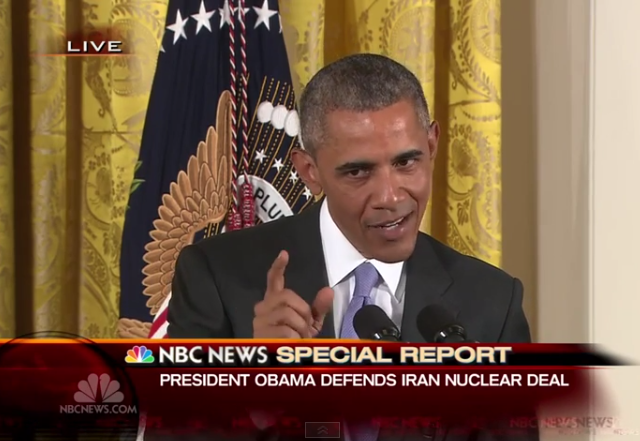
The Obama administration and its supporters try to paint opposition to the Iran nuke deal as a Bibi Netanyahu problem. That's a convenient excuse, because it allows Obama to play the Democrat loyalty card among members still upset about Bibi's appearance in Congress. It also plays into "Israel Lobby" demonization, the bogeyman of the left. The opposition to the Iran nuke deal, however, is bringing together usual political enemies. Jeffrey Goldberg at The Atlantic interviews Isaac Herzog, Bibi's primary domestic political opponent, Israeli Opposition Leader: Iran Deal Will Bring Chaos to the Middle East:
Last December, when I interviewed the leader of Israel’s left-leaning Labor Party, Isaac “Bougie” Herzog, at the Brookings Institution’s Saban Forum, he said, in reference to nuclear negotiations with Iran: “I trust the Obama administration to get a good deal.” In a telephone call with me late last night, Herzog’s message was very different. The deal just finalized in Vienna, he said, “will unleash a lion from the cage, it will have a direct influence over the balance of power in our region, it’s going to affect our borders, and it will affect the safety of my children.”

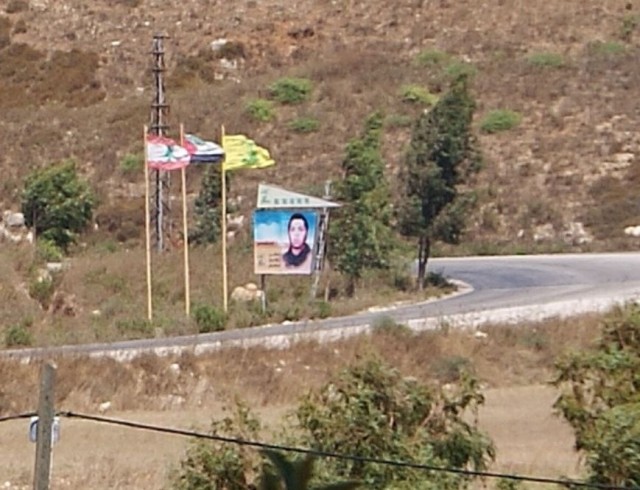
In an interview airing now on Lebanese OTV television, Hezbollah chief Sayyed Hassan Nasrallah discusses the Iranian nuclear deal (summary translation via NOW Lebanon):
The Iran nuclear deal has significant repercussions. The region’s peoples are the biggest winners from this deal because regional and international forces have been pushing for war with Iran which would have had dangerous repercussions in the region. The deal pushed off the [potential Israeli and US] war [against Iran]. Israel cannot possibly bomb nuclear facilities without the US’ green light. Monopoly of power is no longer present. All American wars have failed. John Kerry made it clear that the US does not want more wars. The US and Europe have failed in the region. It is unlikely that normalization will take place. Iranians wanted to reassure the Gulf countries, especially Saudi Arabia. [interview in progress, check link for more]
More translation at Naharnet: