

Image 01 Image 03

Author: William A. Jacobson

Profile photo

William A. Jacobson

William A. Jacobson is a Clinical Professor of Law and Director of the Securities Law Clinic at Cornell Law School.

He is a 1981 graduate of Hamilton College and a 1984 graduate of Harvard Law School. At Harvard he was Senior Editor of the Harvard International Law Journal and Director of Litigation for the Harvard Prison Legal Assistance Project.

Prior to joining the Cornell law faculty in 2007, Professor Jacobson had a highly successful civil litigation and arbitration practice in Providence, Rhode Island, concentrating in investment, employment, and business disputes in the securities industry, including many high profile cases reported in leading newspapers and magazines.

Professor Jacobson has argued cases in numerous federal and state courts, including the Courts of Appeal for the First, Fifth and Sixth Circuits, and the Rhode Island Supreme Court.

Professor Jacobson has a national reputation as a leading practitioner in securities arbitration. He was Treasurer, and is a former member of the Executive Committee and Board of Directors of the Public Investors Arbitration Bar Association, a professional organization of attorneys dedicated to protecting public investors. He frequently is quoted in national media on issues related to investment fraud and investor protection, and in the past has served as one of a small number of private practice attorneys who trained new arbitrators for the Financial Industry Regulatory Authority.

Professor Jacobson is co-author of the Securities Arbitration Desk Reference (Thomson-Reuters), updated annually.

Professor Jacobson is frequently quoted in the media on political and legal topics, has authored many Op-Eds in major publications, and appears on television and radio to discuss politics and the law.

A more complete listing of Professor Jacobson's professional background is available at the Cornell Law School website. The views expressed here are his own and not those of any employer or organization,

The best way to reach Prof. Jacobson is by e-mail here.

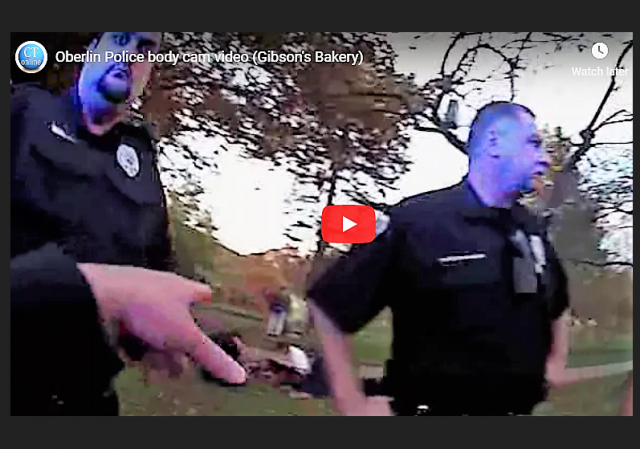
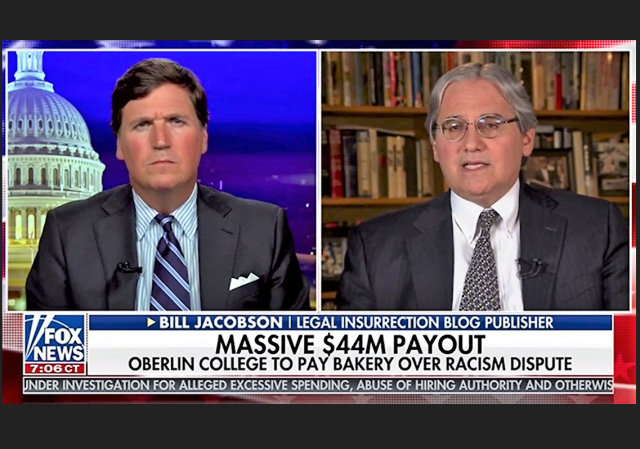
The $25 million damages judgment plus the over $6.5 million attorney's fees and expenses award, puts Oberlin College almost $32 million in debt to Gibson's Bakery and its owners. Post-judgment interest in Ohio is 5%, which if my math is correct, on $32 million equals $1.6 million a year just in interest, or $4,384 per day. So that $32 million is going to keep growing as the inevitable appeal winds its way through the courts.

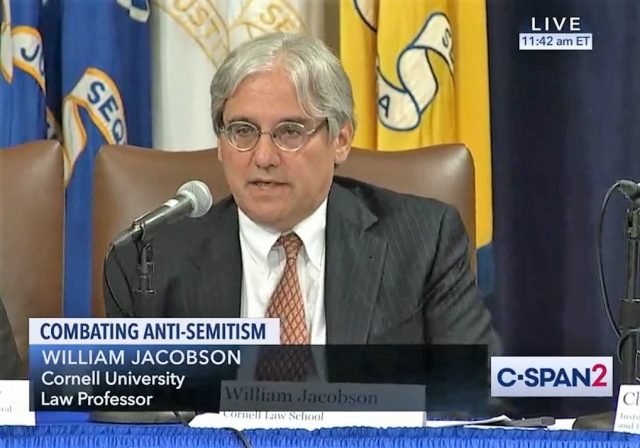
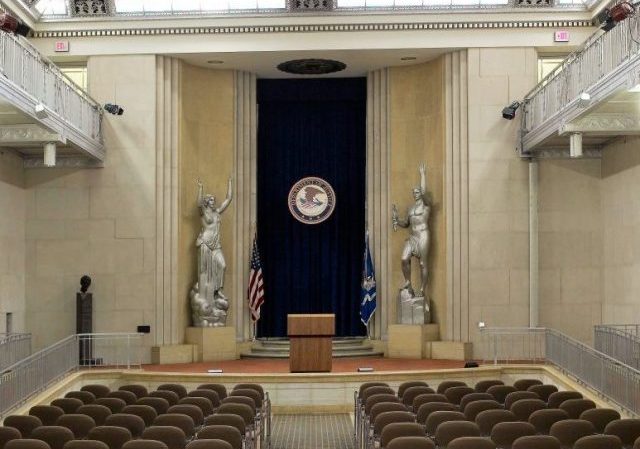
On July 15, 2019, I spoke at the Department of Justice Summit on Combatting Anti-Semitism, on a panel regarding Anti-Semitism on Campus. My presentation was on "Intersectionality." Attorney General William Barr, in his opening statement to the Summit, specifically noted the importance of intersectional anti-Semitism:

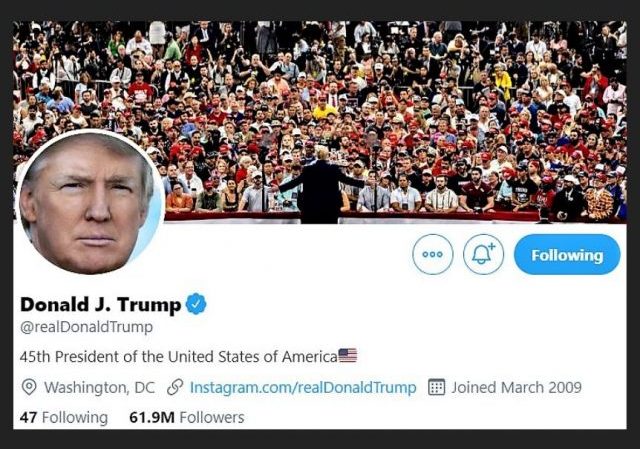
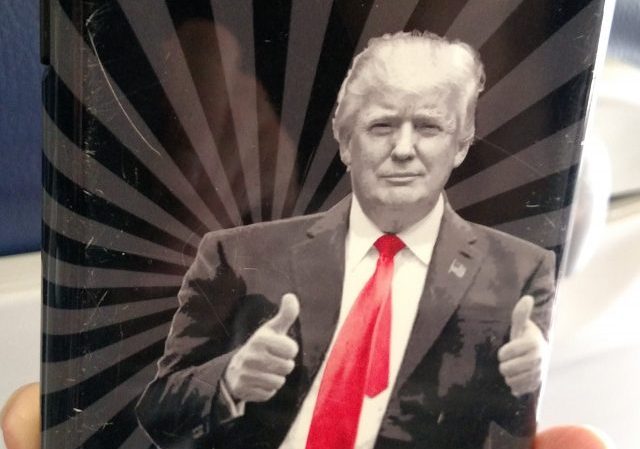
I've written many times about "The Flight 93 Election," the September 5, 2016, article in the Claremont Review of Books, by Michael Anton, writing at the time under the pseudonym Publius Decius Mus. The thrust of the concept of the Flight 93 Election was that whatever Trump's faults, the alternative was definitively and certainly worse:

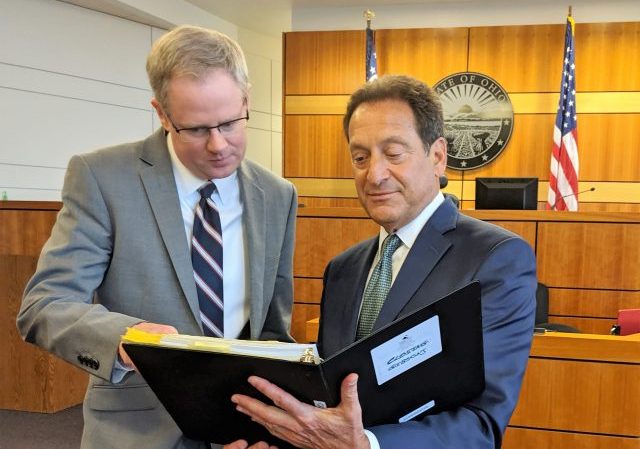
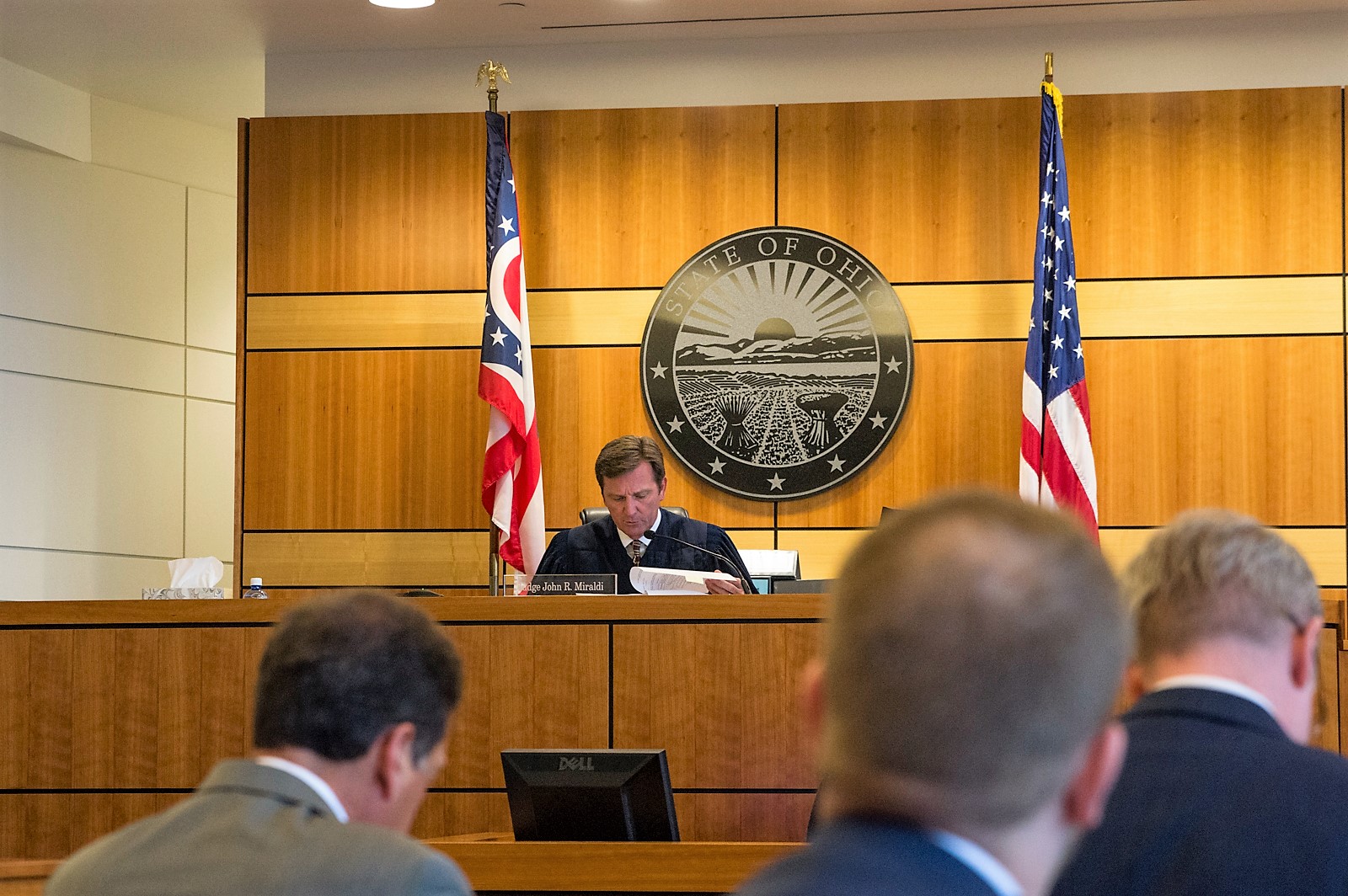
The $11 million compensatory and $33 million punitive damage verdicts won by Gibson's Bakery and its owners against Oberlin College later were reduced to $25 million under Ohio tort reform caps. But there is an important piece left in the case, the determination by Judge John Miraldi of the amount of attorney's fees, after the jury found in the punitive damage verdict that the plaintiffs were entitled to such fees.

Reviewing the intense public relations campaign launched by Oberlin College after the $11 million compensatory and $33 million punitive damage verdicts (later reduced to $25 million under Ohio tort reform caps), I felt an "intervention" by someone who "truly cares" about Oberlin College was needed:

After the recent Supreme Court decision ruling that the Commerce Department had not given a sufficient explanation for a Census citizenship question, there still was a possibility that the Trump administration could pursue a new explanation. After all, the question itself was held substantively lawful, it was the process that was the problem. We covered the possibilities for a do-over in Chief Justice Roberts shot down Census citizenship question, but it’s not dead yet.

The next phase in the Gibson's Bakery v. Oberlin College case is the award of attorney's fees to the Gibsons. A hearing is scheduled for July 10. Dan McGraw will be at the hearing for us, and we will preview the issues once motion papers are filed and available. In the meantime, I noticed something interesting.