


Russia Denies Second Illness, Lifts Quarantine After Unexplained Death at Plague Research Lab
World Health Organizations says it’s still unsure what caused pneumonia that killed plague-lab worker from Irkutsk Anti-Plague Research Institute in Siberia.
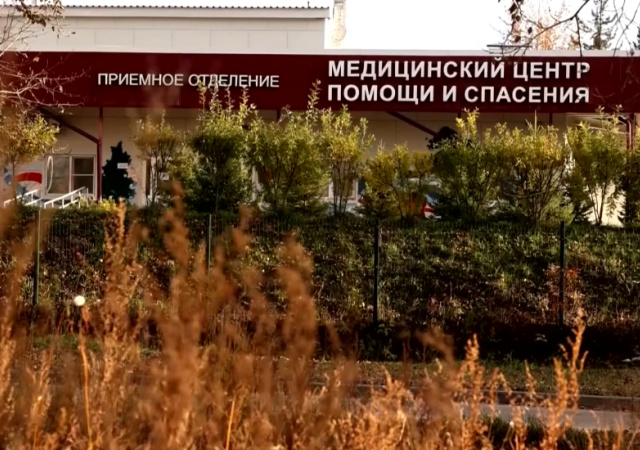
We have been following reports about a 27-year-old employee at the Irkutsk Anti-Plague Research Institute who may have contracted pneumonic plague (the airborne form of the bubonic plague of medieval fame), which can spread person-to-person through respiratory droplets and progress rapidly without prompt antibiotic treatment.
The Russian initial reaction clearly reflected a rapid response to a significant biosafety incident.
At the end of last week, reports indicated that the Russians were walking back all reports connecting the death of that employee to the bubonic plague. However, some reports suggested a second case, and both the World Health Organization (WHO) and the US State Department requested information and transparency.
Russian officials now deny the existence of a second case.
Russia’s health regulator said Thursday that reports that a second person had fallen ill following the death of a worker at a plague research laboratory in Siberia were false.
In a statement published by Russian news agencies, the regulator denied what it called “fake information circulating on social media regarding a second case of illness.”
It said it had completed checks on all the contacts of the dead woman, adding, “No health issues related to an infectious disease were detected, and the results of nearly 5,000 laboratory tests showed no dangerous pathogenic microorganisms.”
Russian authorities have also lifted quarantine measures in the Irkutsk region, after asserting Darya Shipilova died of “community-acquired pneumonia.”
Irkutsk Governor Igor Kobzev announced on Thursday, Oct. 8, that the restrictions had been removed after experts completed preventive measures connected to what authorities described as a fatal case of “community-acquired pneumonia.”
—
The governor said all people who had come into contact with Shipilova had undergone medical observation. Nearly 5,000 laboratory tests reportedly found no dangerous pathogens or infection-related health problems.
Around 200 people were placed in isolation after Shipilova’s death. A hospital in Shelekhov and several medical facilities in Irkutsk were reportedly placed under quarantine, while a mask requirement was introduced at the Irkutsk Aluminum Plant as a precaution, according to Artem Fominykh, director of the plant.
Kobzev claimed that the WHO had publicly confirmed there was no danger to the population. The organization’s own statement was more cautious.
As a reminder, there was substantial evidence of a novel disease outbreak in Wuhan in early 2020. The escalating epidemic emergency of 2020 became unmistakable when authorities quarantined Wuhan and extended restrictions to eight additional cities, while Beijing canceled major Chinese New Year celebrations to curb transmission.
In the age of social media and satellites, it would be difficult to hide a rapidly expanding outbreak of the airborne version of the bubonic plague.
Furthermore, WHO is still investigating and has officially noted that no case of plague had been registered in Russia.
The WHO said the Russian state regulator reported that tests of the lab worker and those who came in contact with her were negative for the high-threat pathogens tested, that her contacts still showed no symptoms, and that no further linked cases of severe pneumonia had been identified.
“Based on the information provided … (the) WHO has not identified evidence of ongoing transmission associated with this event. A key uncertainty remains the absence of a confirmed diagnosis in the deceased laboratory worker,” it said in a statement.
The lab worker fell ill and died in undisclosed circumstances on October 2, prompting authorities to quarantine about 200 people and causing public health fears on social media.
Global health officials have been extra alert to fatal pneumonia cases of undetermined cause since the COVID-19 pandemic, which began with a cluster of fast-spreading fatal respiratory illness in China. The cause of individual pneumonia cases can often not be determined.
But in early 2020, we also received assurances that the viral outbreak in China was “under control“.
I sincerely hope that both WHO and the US State Department get the information needed to properly classify the nature of Shipilova’s death. I sure hope history does not repeat itself.
Donations tax deductible
to the full extent allowed by law.






Comments
Except it wasn’t the bubonic plague that reportedly killed the worker but it’s even more virulent variation pneumonic plague which can be transmitted through the air. They are two different things. The latter of which will spread much easier than the former.
And after all the shenanigans that the CCP and the Wuhan Institute of Virology pulled along with the U.S. government during the run up to the Covid pandemic you’ll have to forgive me my skepticism when the Russian government tells us that we need to move along, there’s nothing to see here folks.
eot
I’m sure Pfizer and Moderna have vaccines all ready to distribute, wink wink nudge nudge.
Plague could be a red herring. We don’t know what killed that woman. It may have nothing to do with plague. It could be much worse.
Do you think they really did 5,000 lab tests on a dead woman?
Smells to me like Tish James bookkeeping law.