My gosh. I’ve fallen in love with Poland. But when you visit Krakow, you must tour Auschwitz-Birkenau, a literal hell on earth.
The drive is about 90 minutes away. You’re surrounded by lush green grounds and vibrant neighborhoods. It’s hard to absorb the sight of happiness and life going on, knowing where you’re headed.
Then you remember you’re headed to a place designed to exterminate specific groups of people. I smiled, enjoying seeing those parts of Poland bursting with adults, children, businesses, and schools. You smile because you know the Germans failed.
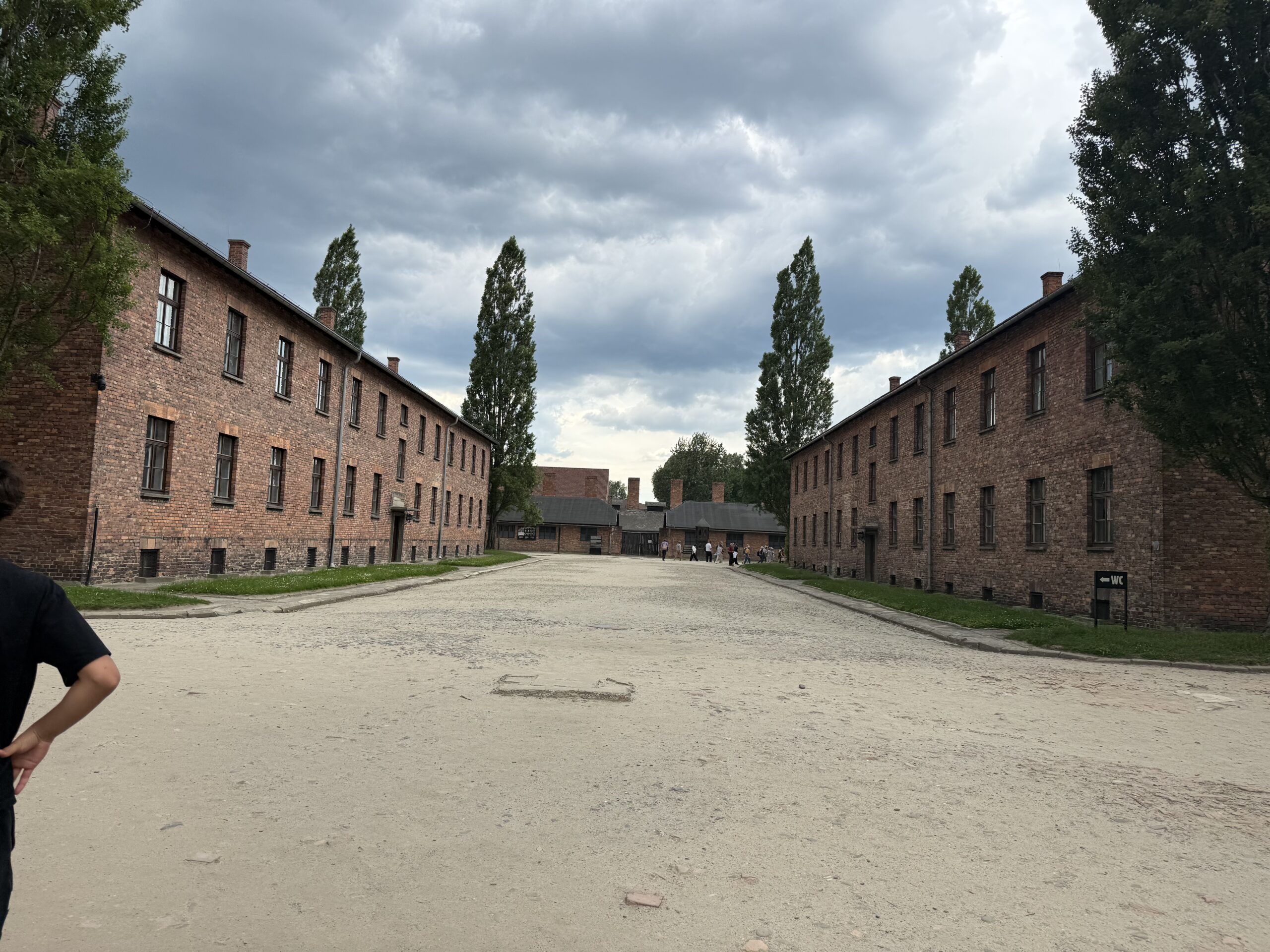
The Germans established Auschwitz I in 1940, using barracks erected by the Poles before the war.
They extended the camp with Auschwitz II-Birkenau, the largest part of the complex. Birkenau housed most of the gas chambers and ovens.
I took many pictures, but I couldn’t bring myself to take pictures of the death wall, gas chambers, or the ovens.
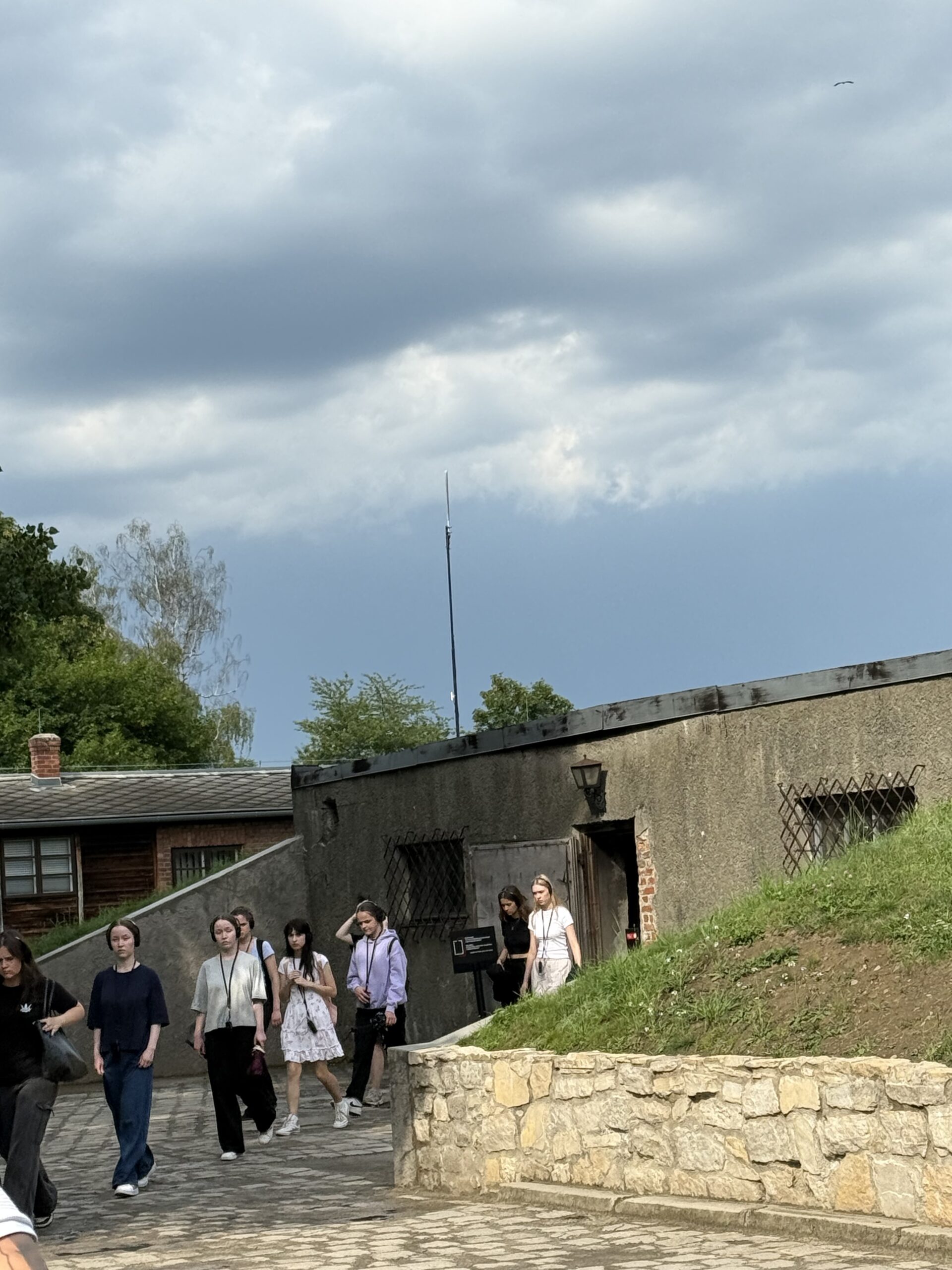
After you exit the tunnel where you hear the names of the victims, the silence instantly hits you. No birds. No other animals. Only the trees if there is a slight wind. It’s almost as if nature remembers what happened at Auschwitz.
Then you notice the sign.
Arbeit macht frei.
“Work sets you free.” What a lie.
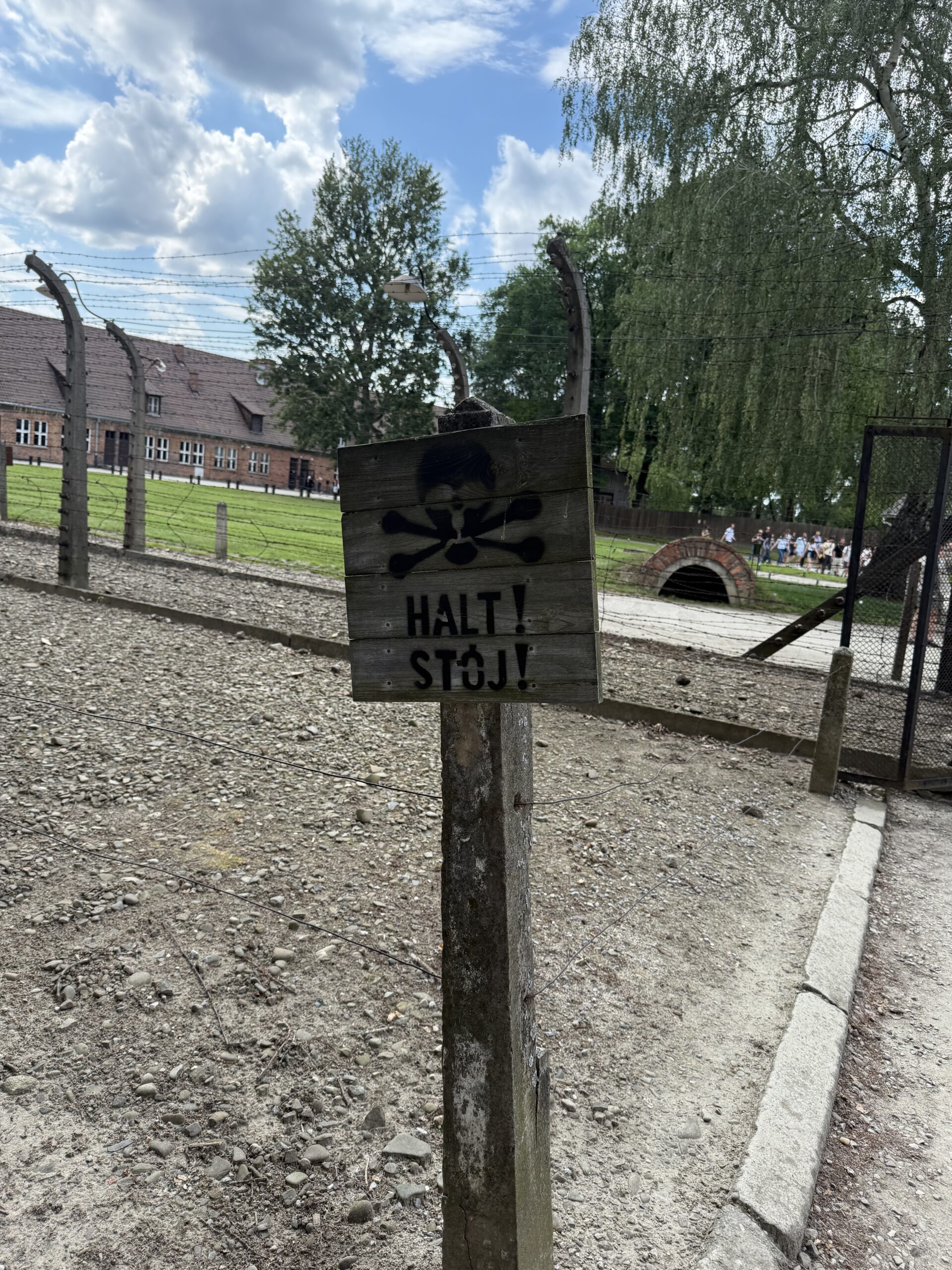
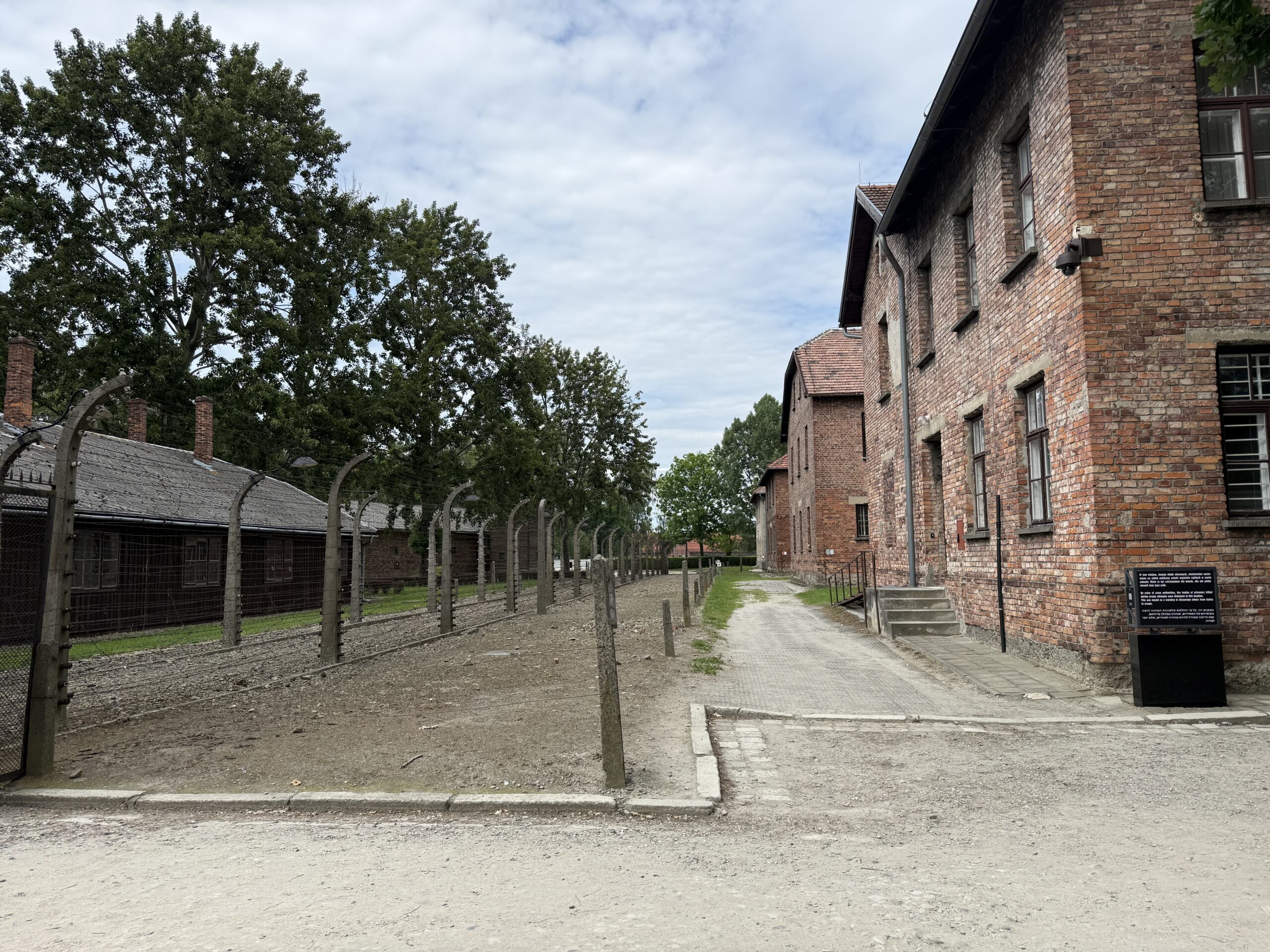
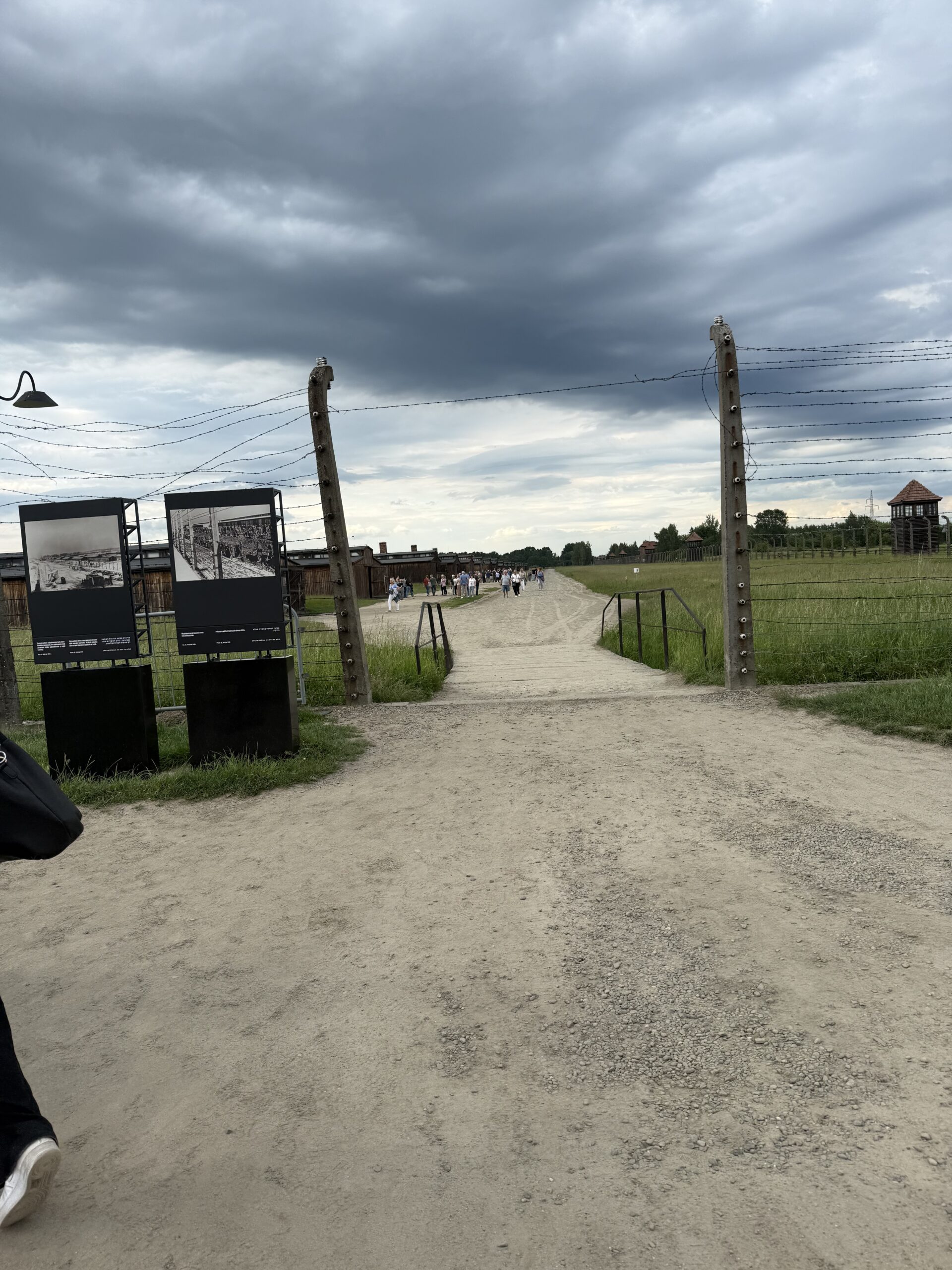
The barbed wire.
Again…the silence.
Don’t forget you are walking on the same ground as the millions murdered by the Germans.
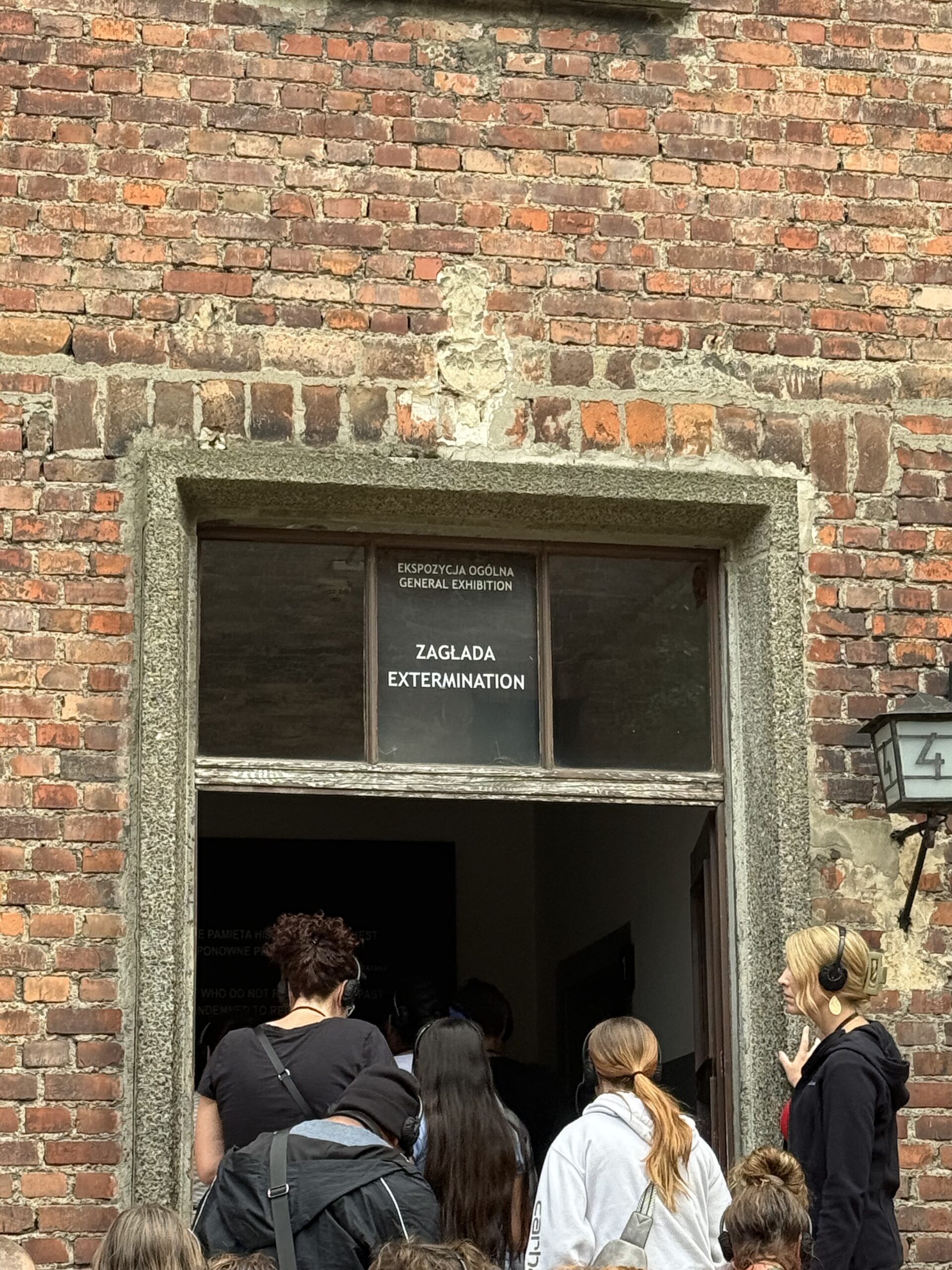
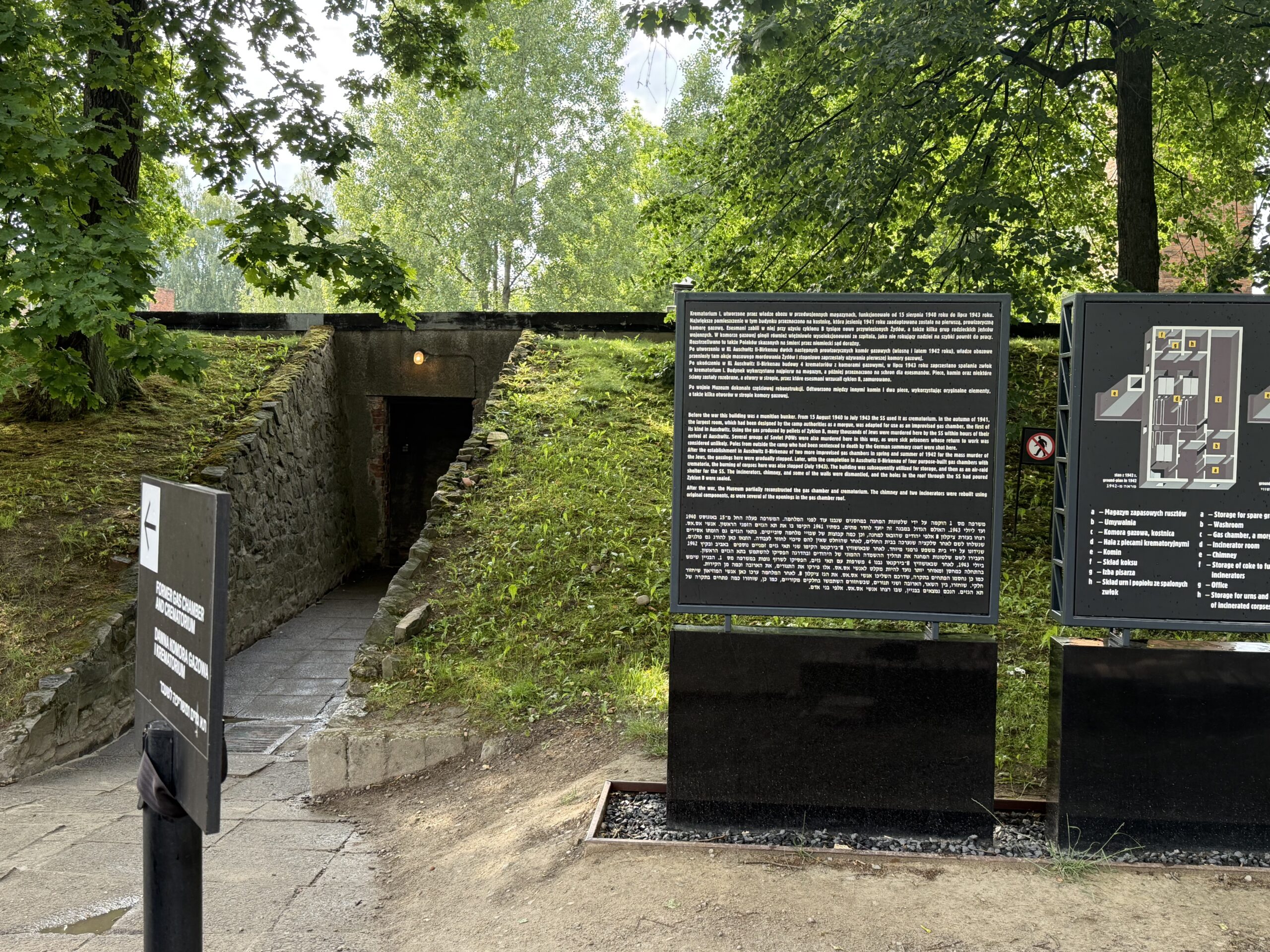
Visitors can enter a few buildings. The first one introduced you to how the Germans slaughtered over a million human beings at the camp.
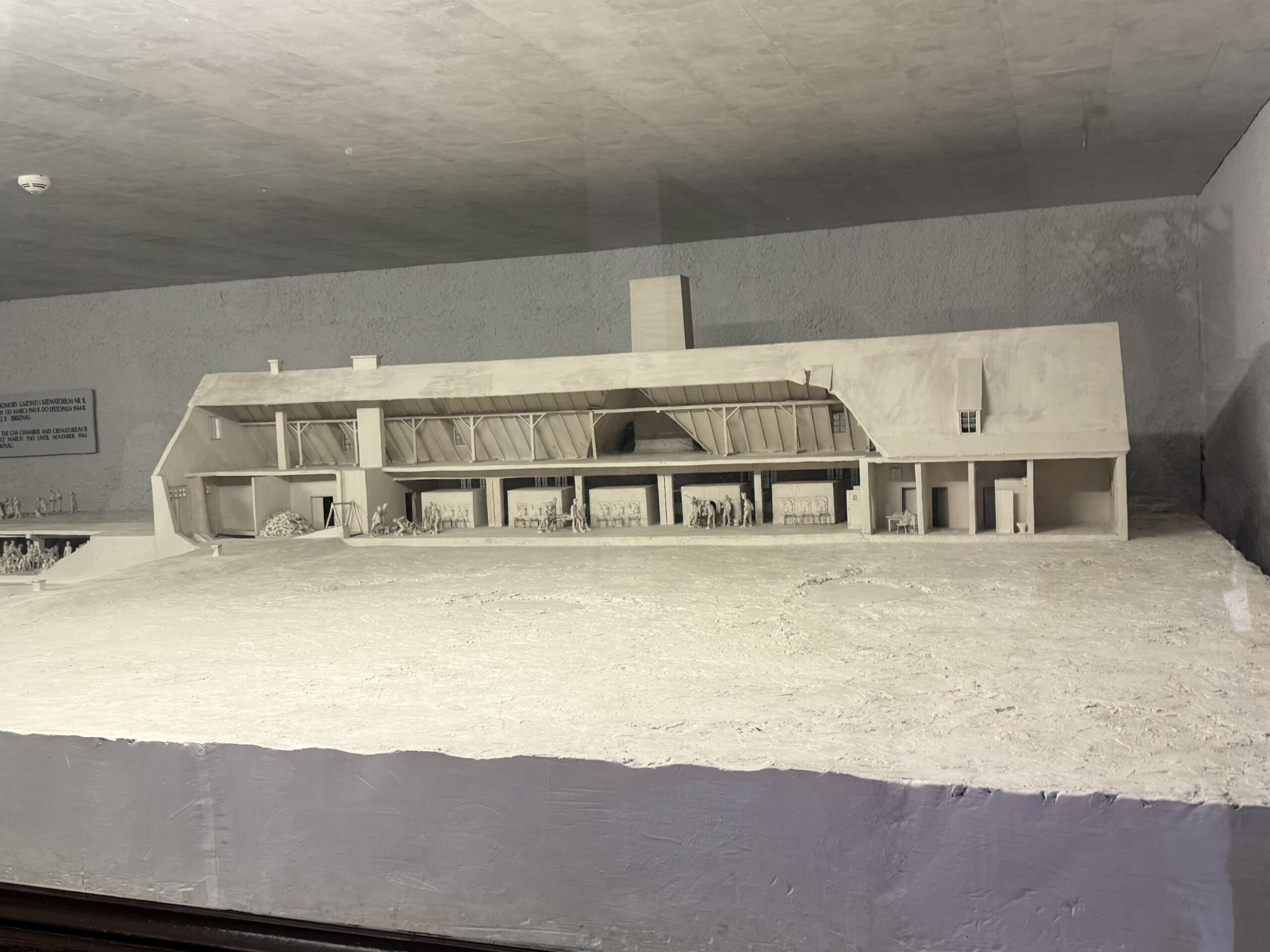
The Germans destroyed the majority of the gas chambers and ovens as the Russians made their way across Poland.
So we have a recreation of the gas chambers and ovens.
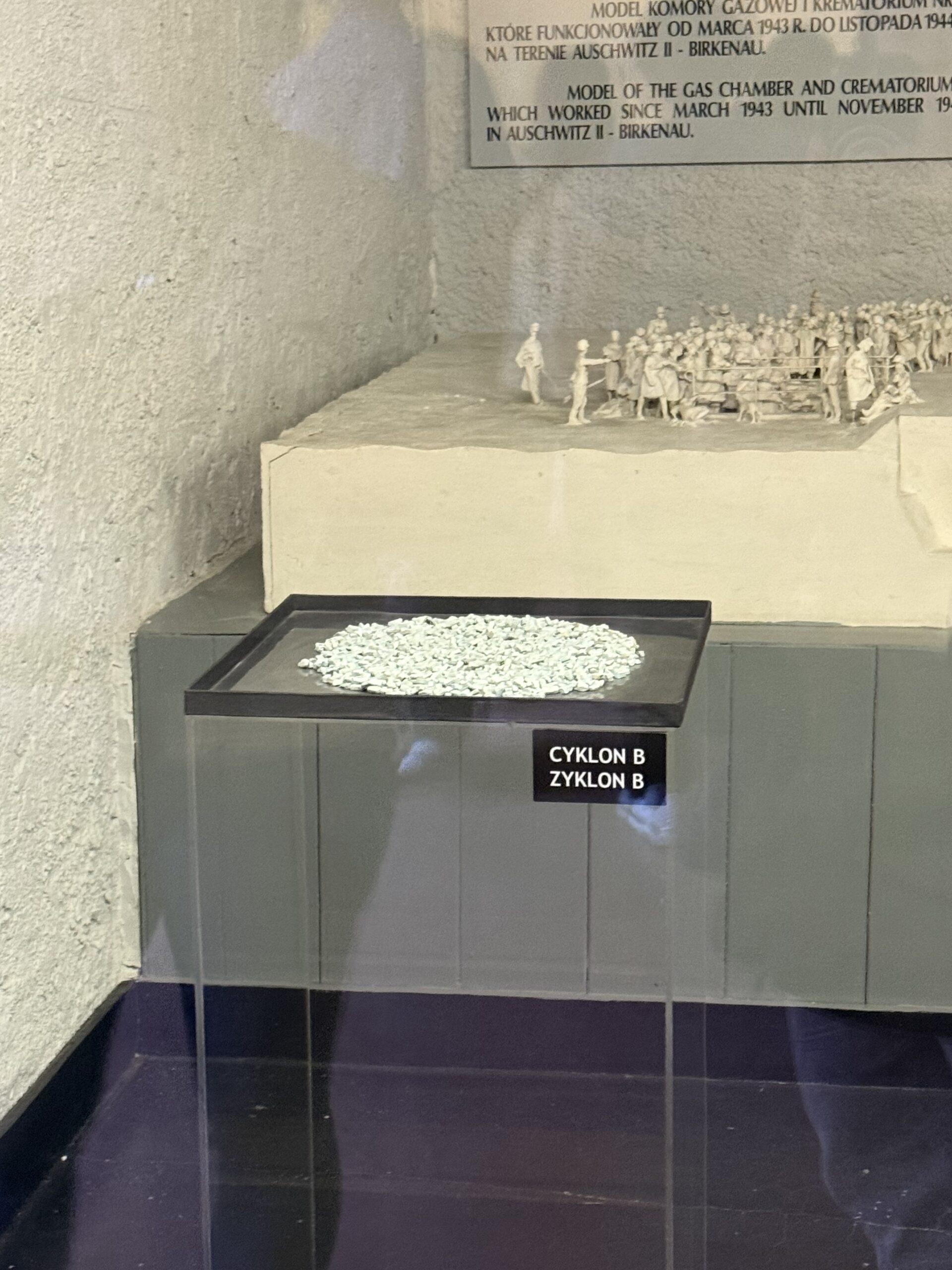
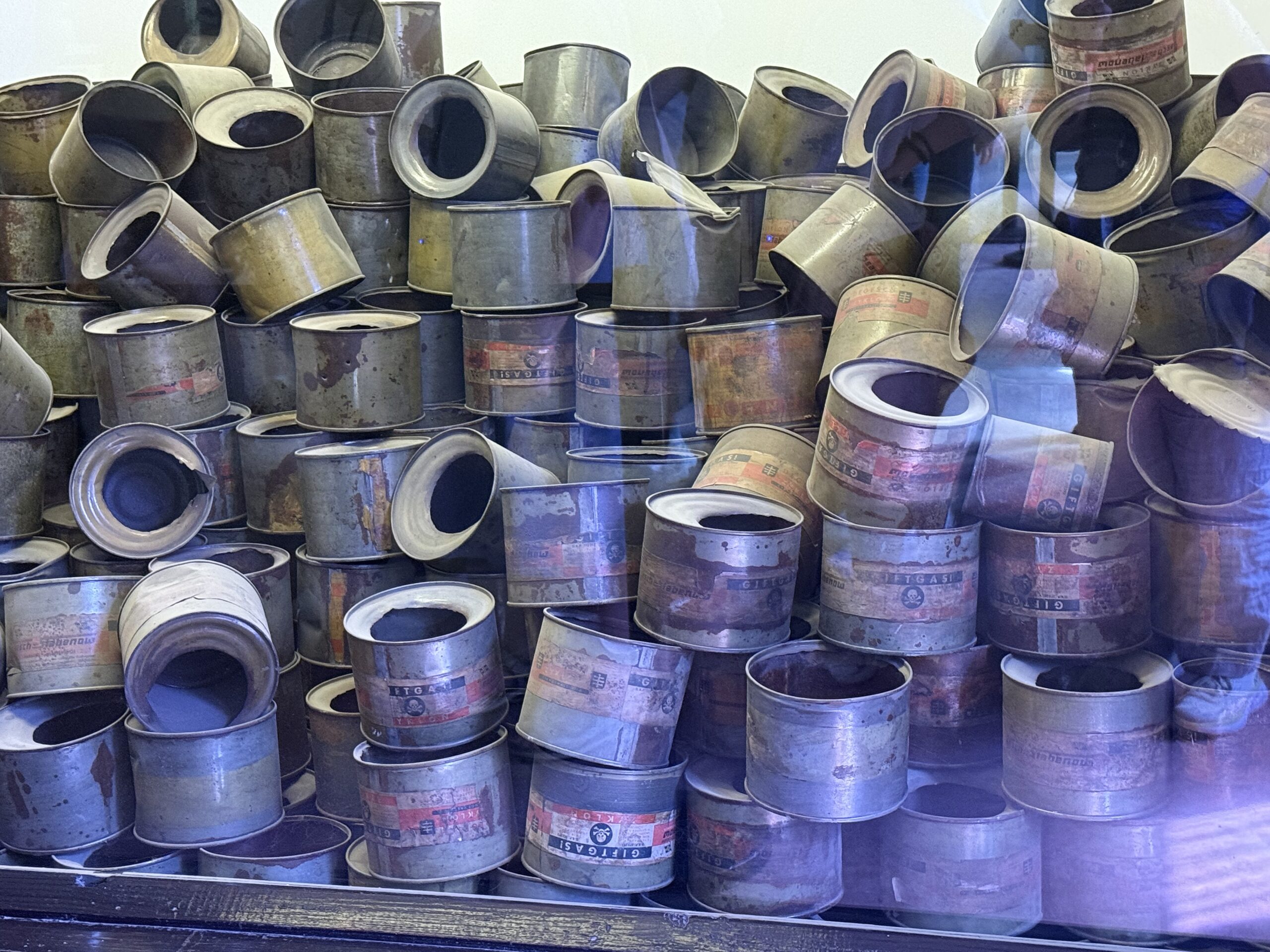
Next to it are pellets of Zyklon B, a pesticide containing hydrogen cyanide. It suffocates a person for between two and twenty minutes.
Jewish prisoners would move the dead and dispose of the bodies in numerous ovens.
If you haven’t watched the 2001 HBO movie Conspiracy, do it today. It’s about the Wannsee Conference, where Reinhard Heydrich and Adolf Eichmann introduced the Final Solution to others in the upper echelon of the Nazi regime.
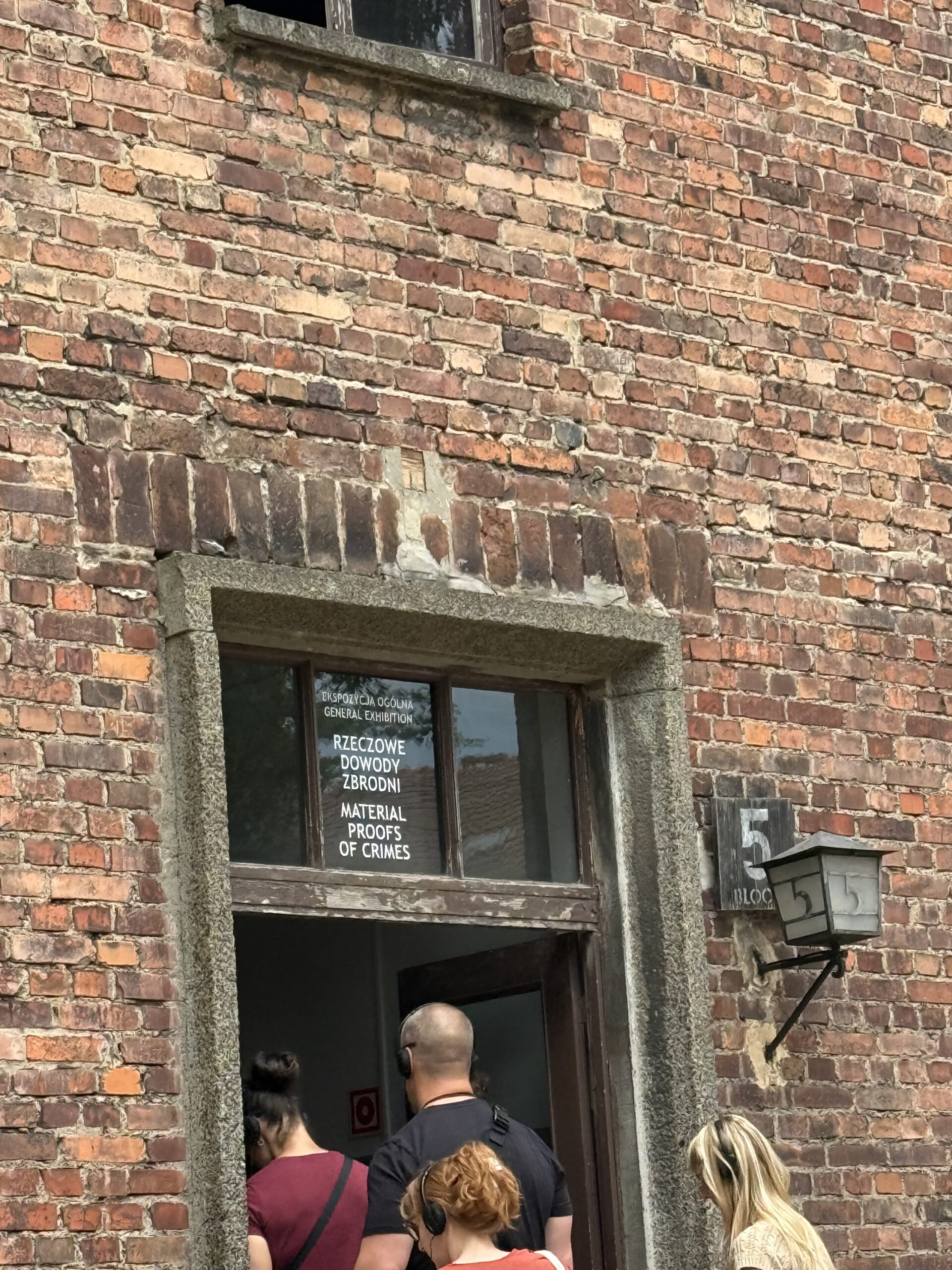
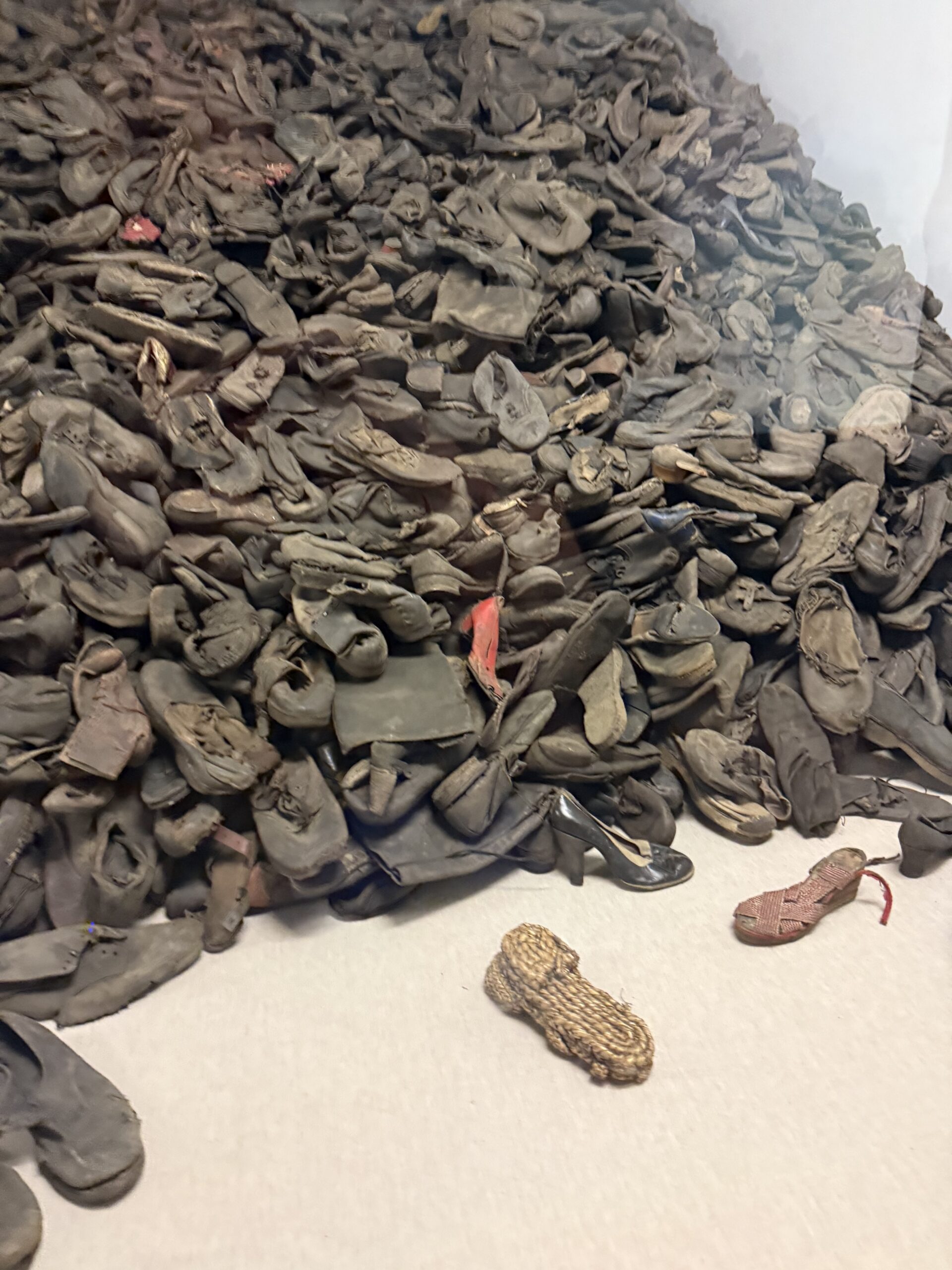
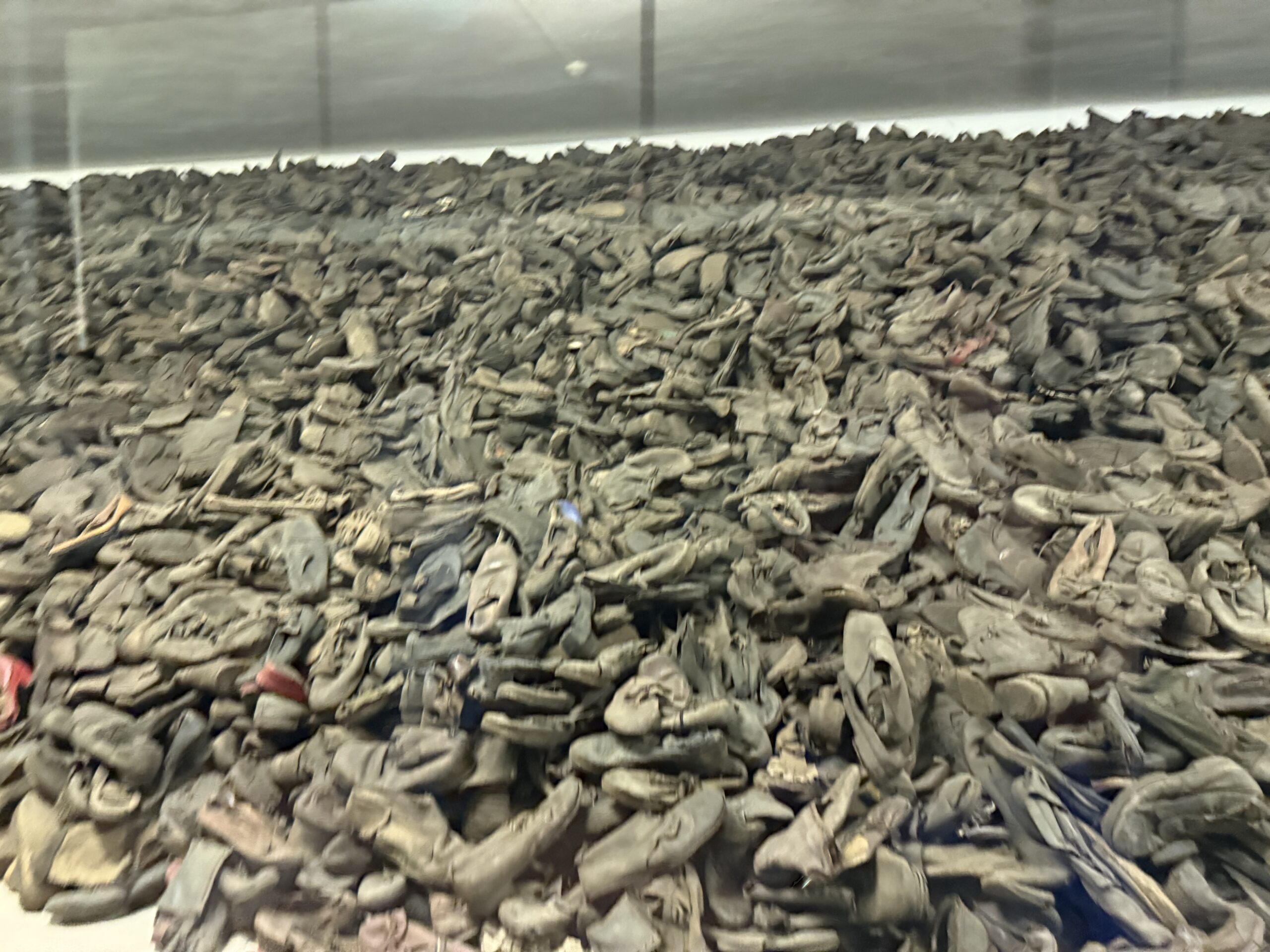
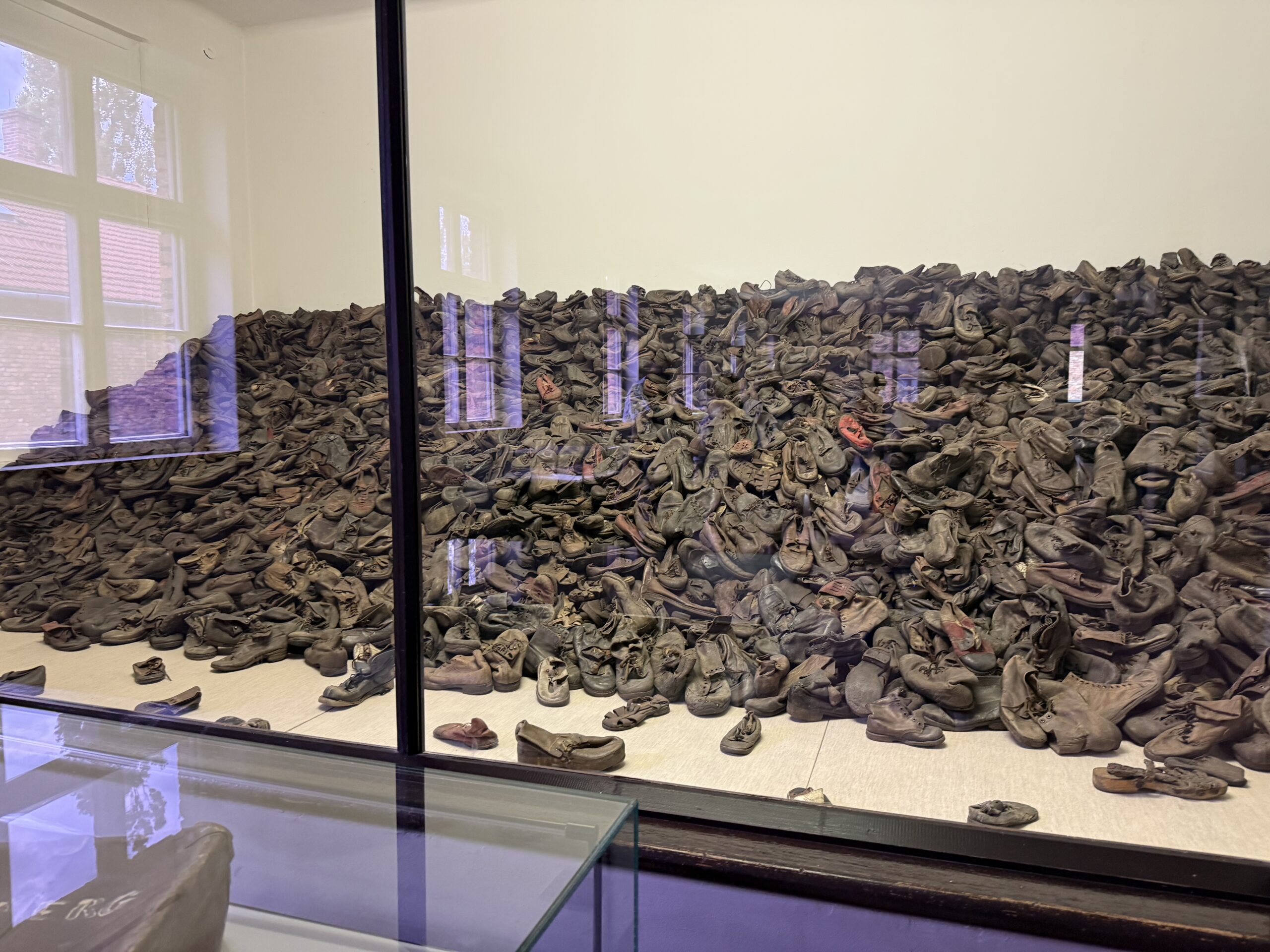
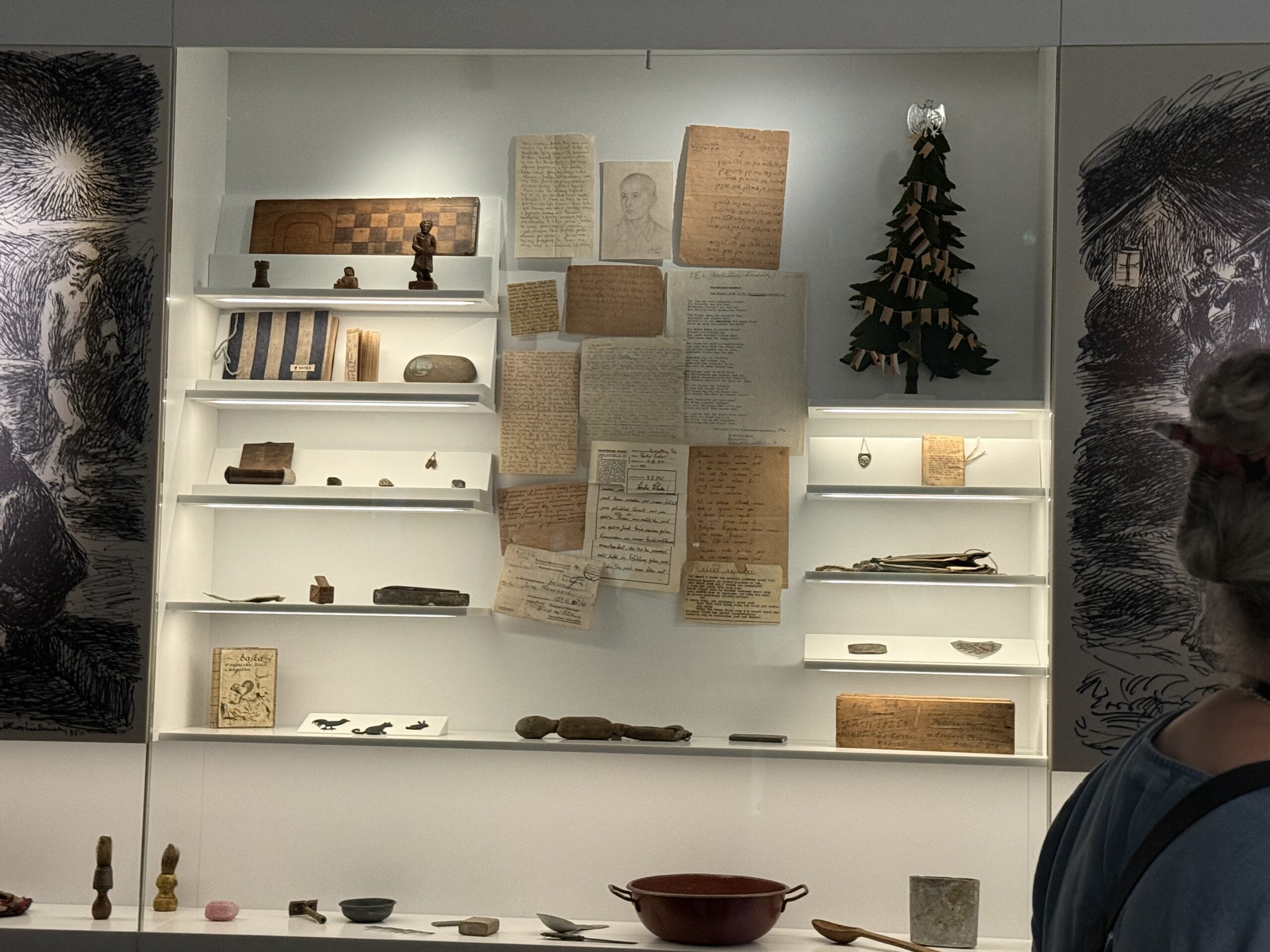
Block 5 contains evidence of the German crimes, including personal items of the prisoners.
The museum has a case that occupies the entire length of a long wall, holding… human hair. We could not take a picture of it, and I doubt I would have done so. The Germans used this hair to make clothing, among other things, for the German army.
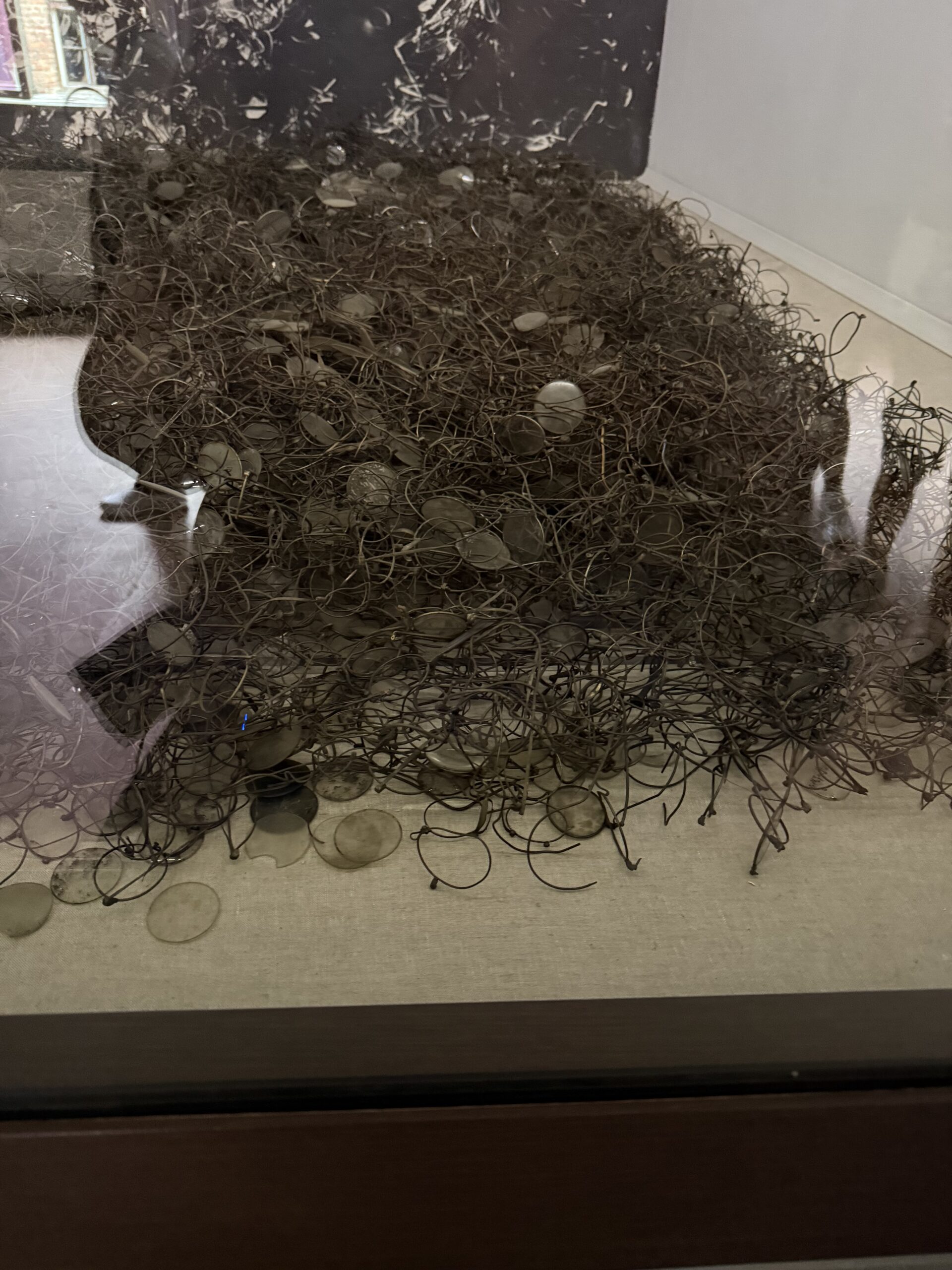
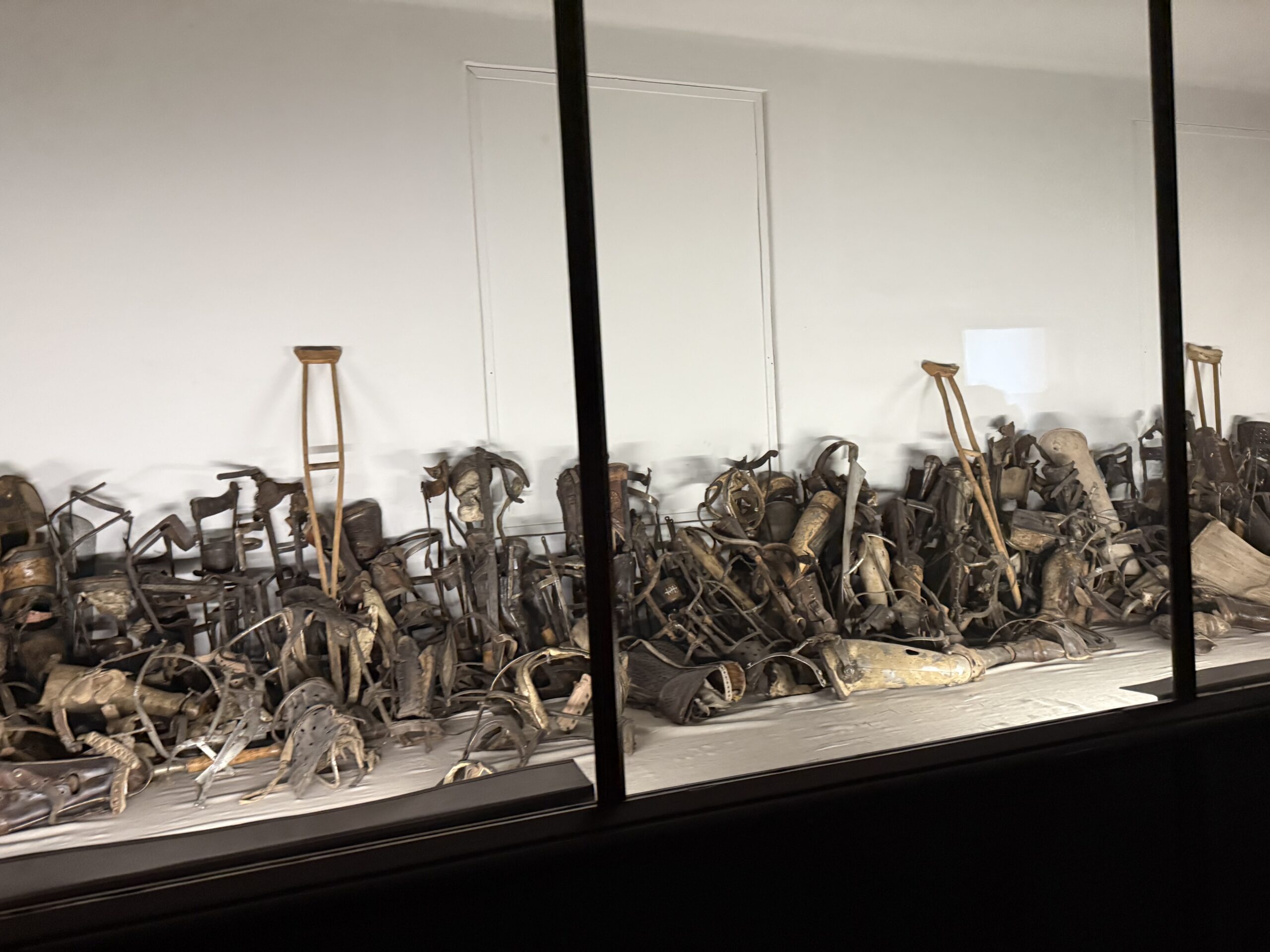
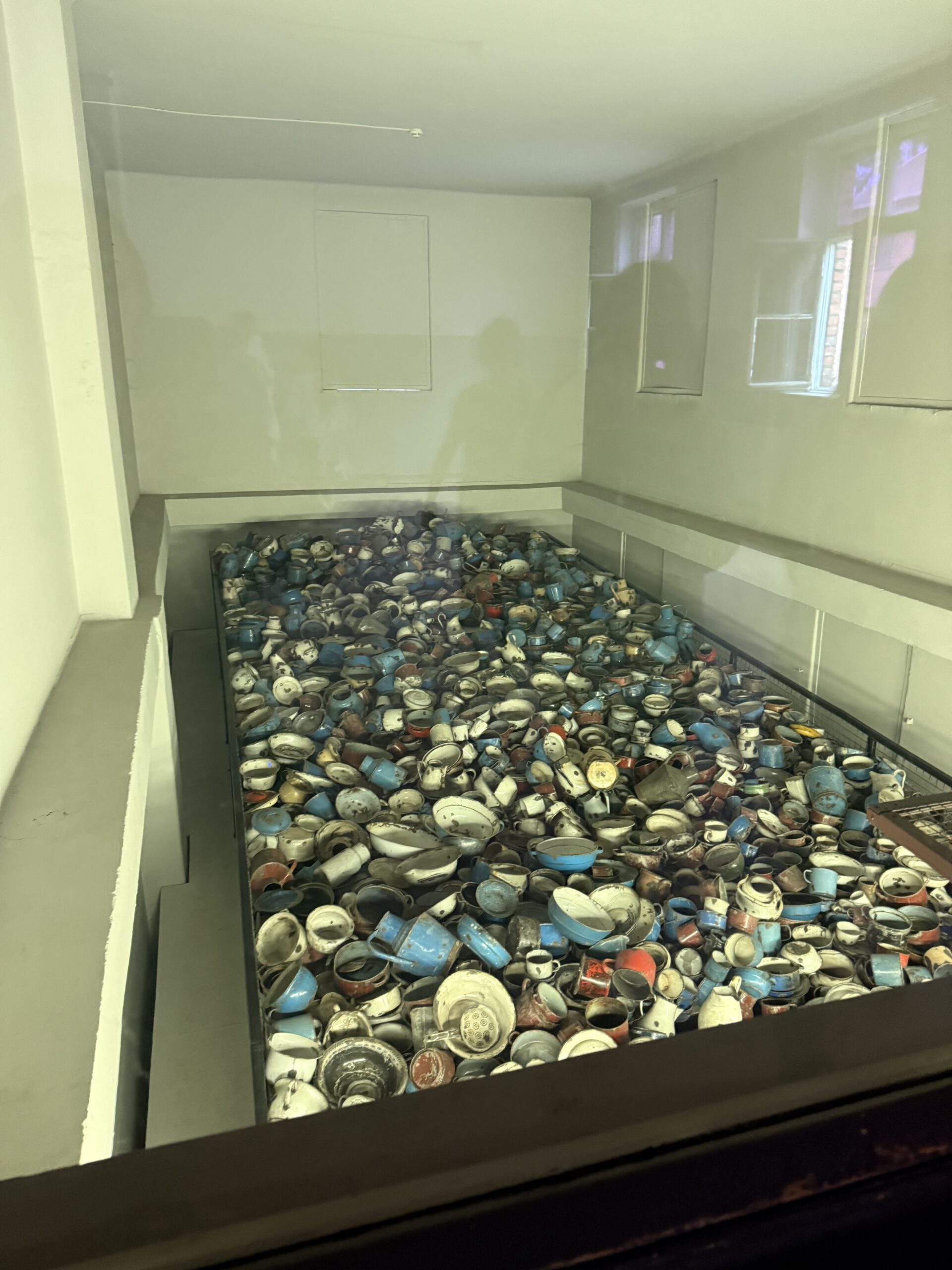
We also saw glasses, pots & pans, suitcases, prosthetics, and the shawl Jewish men wear over their shoulders.
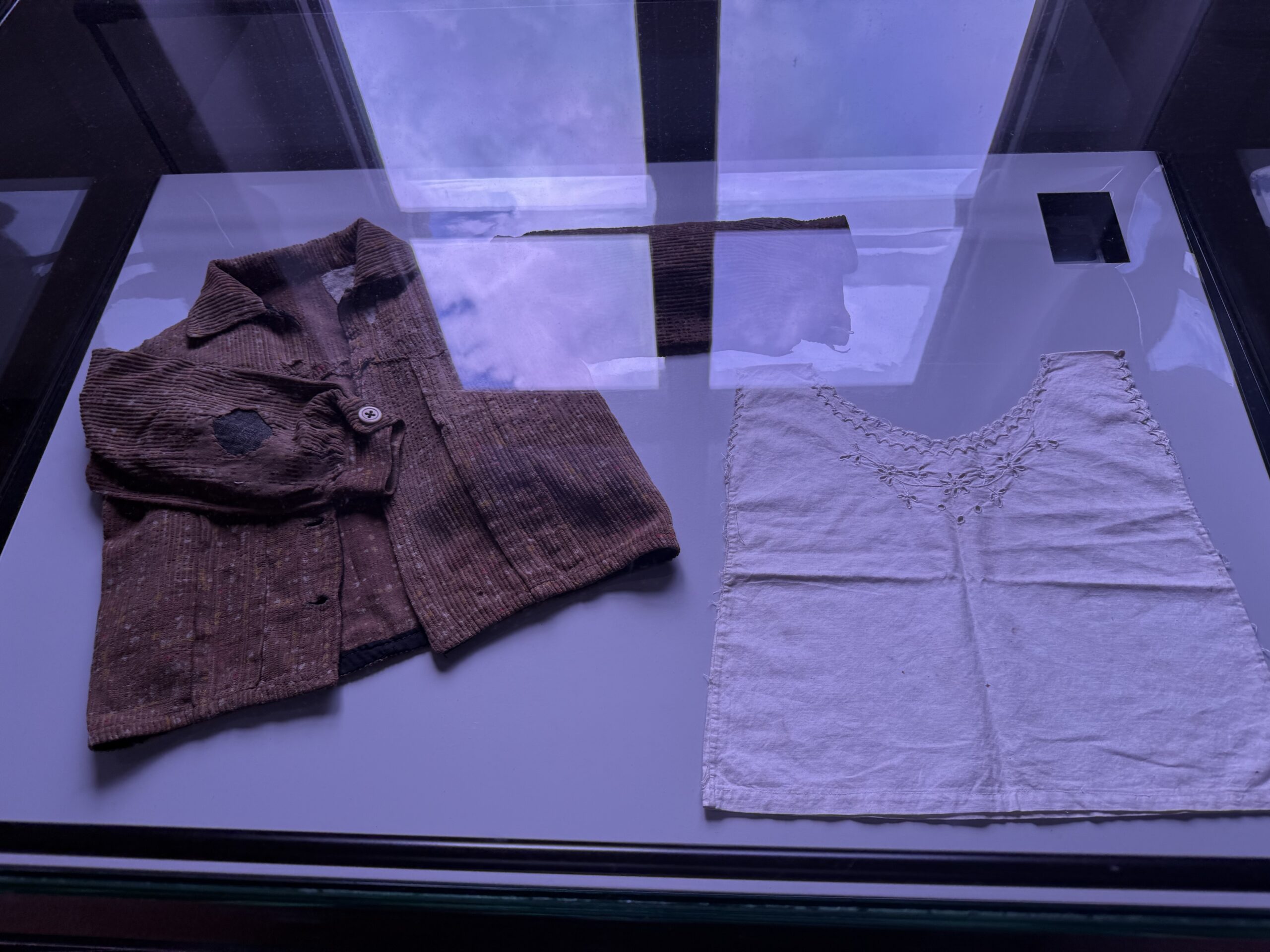
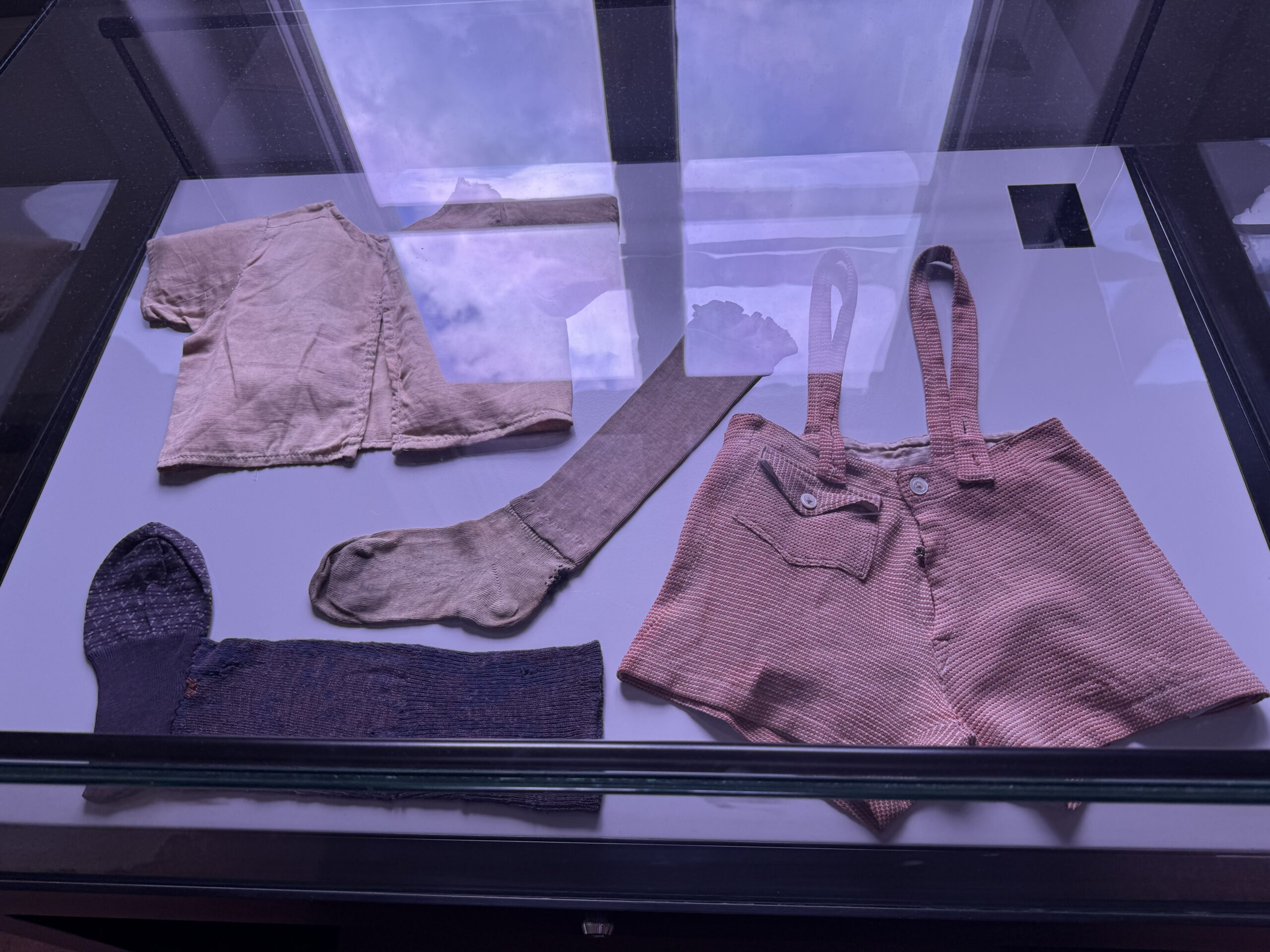
We also saw children’s shoes and clothing.
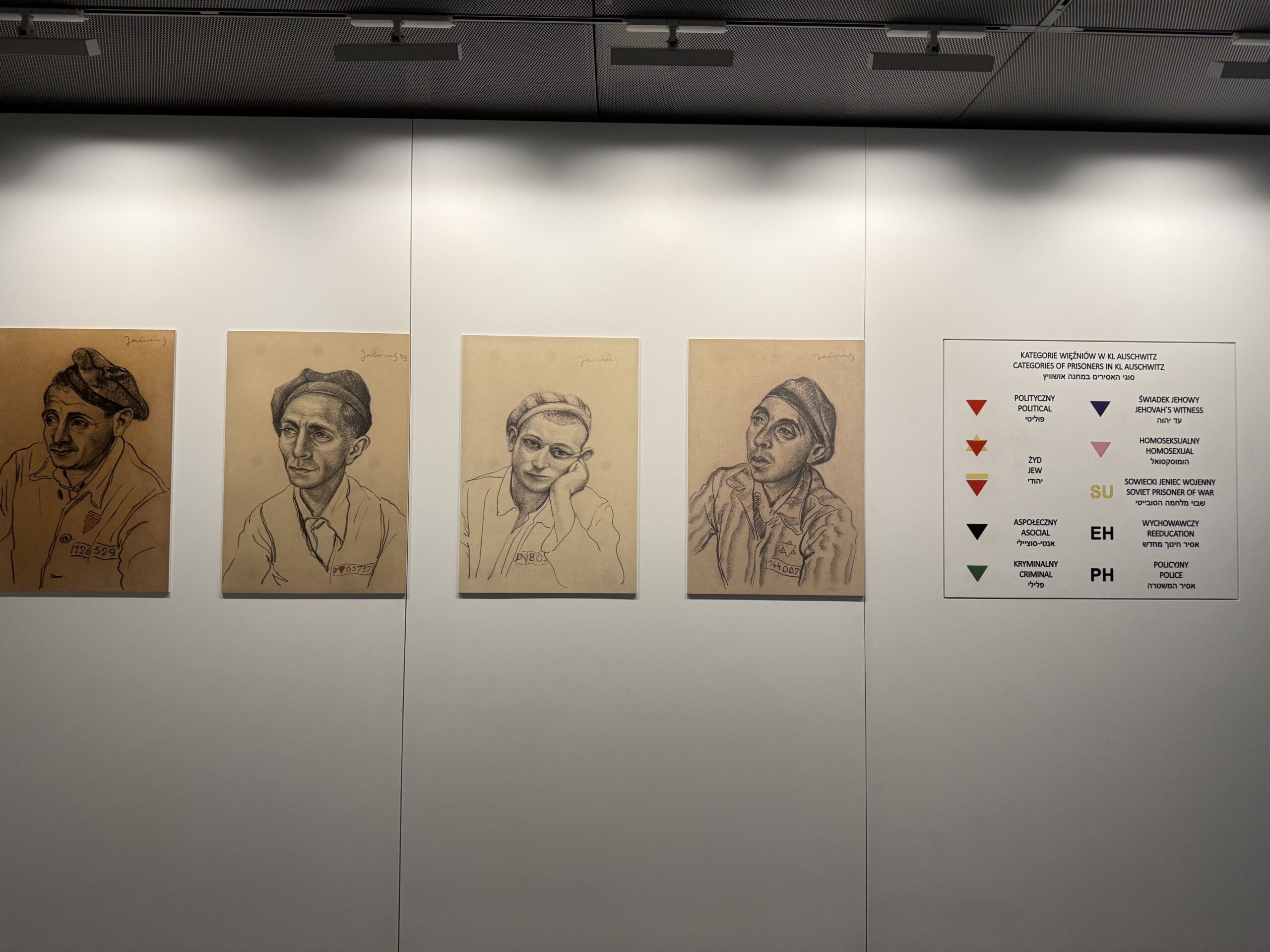
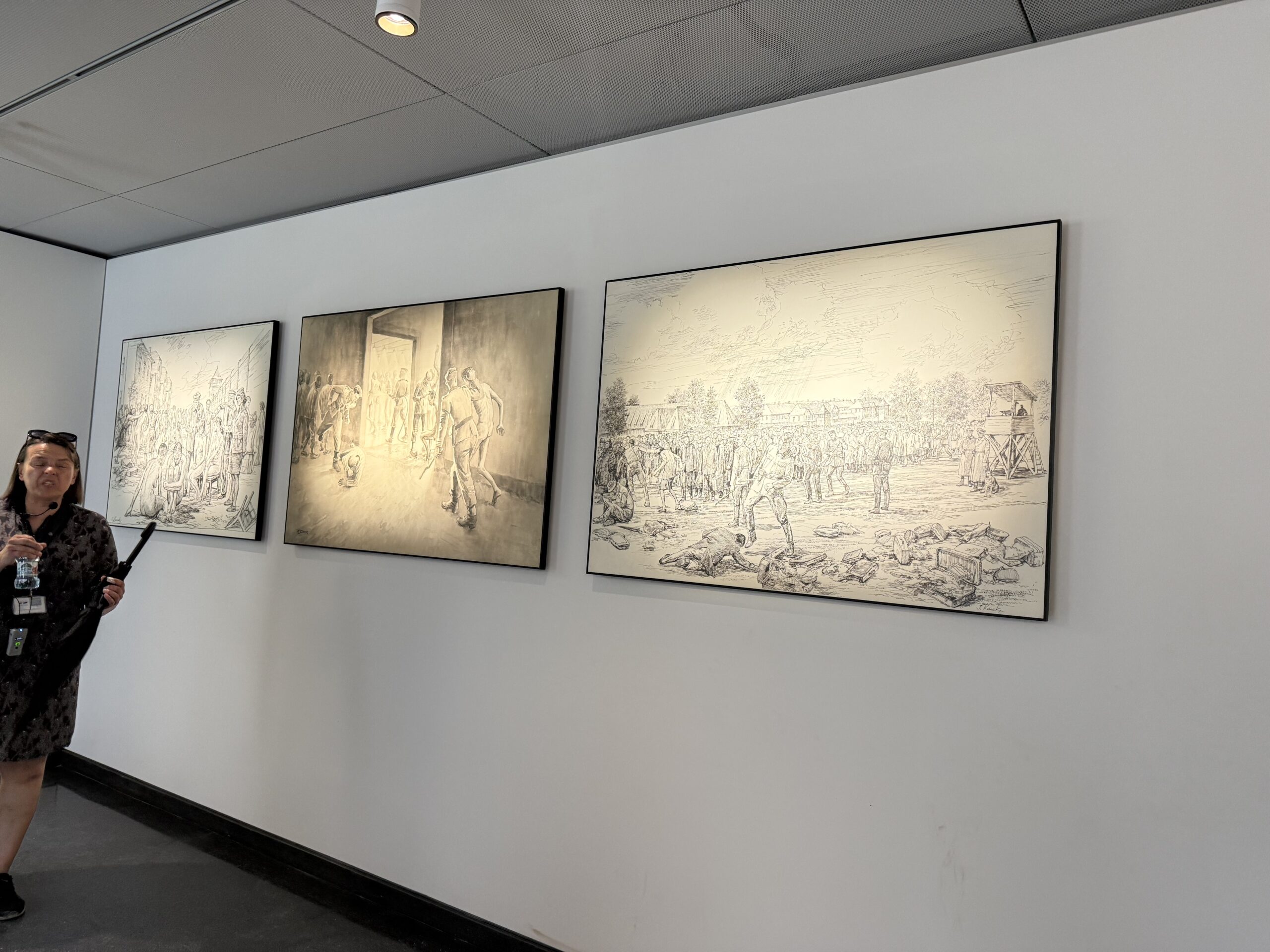
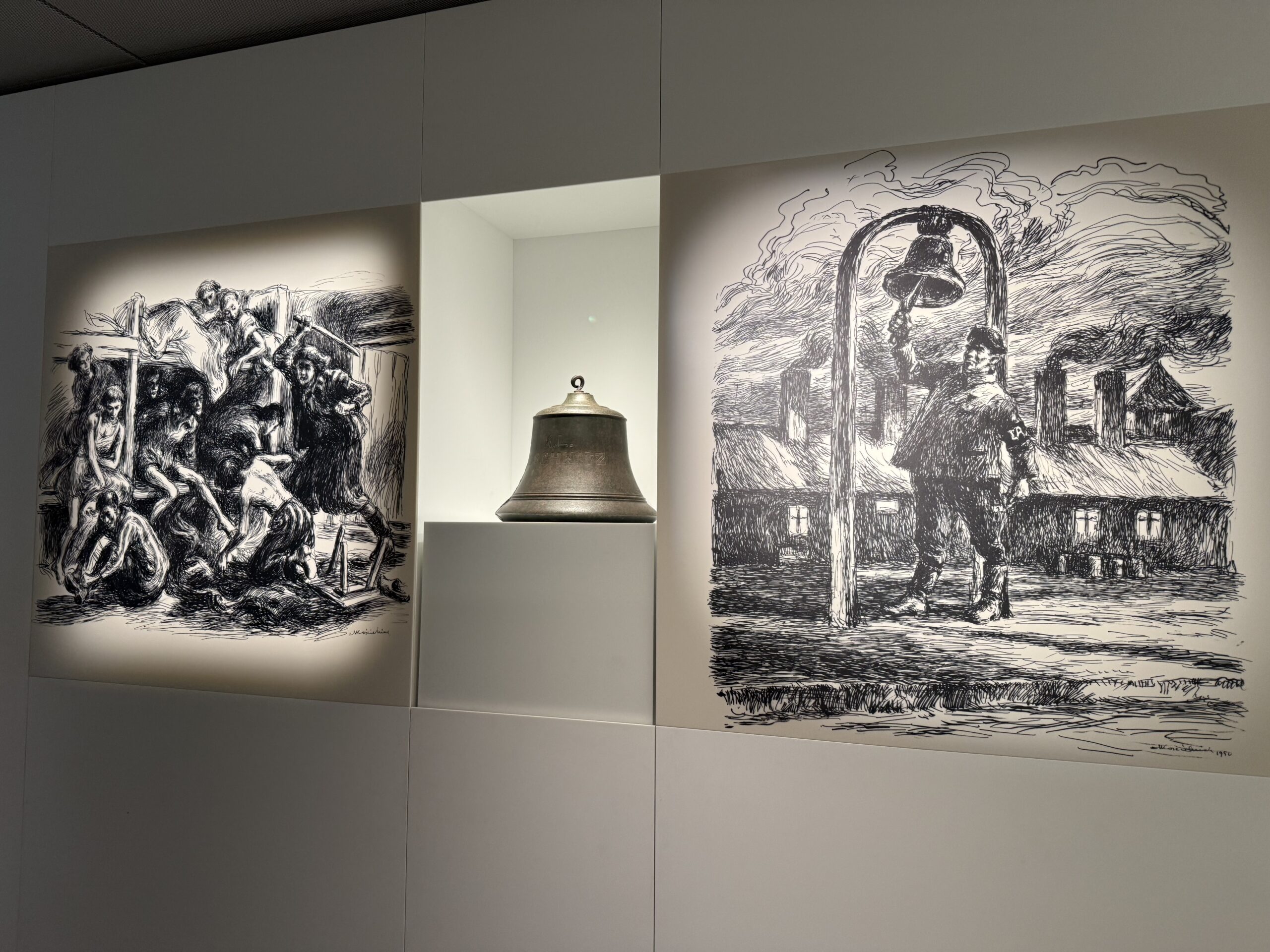
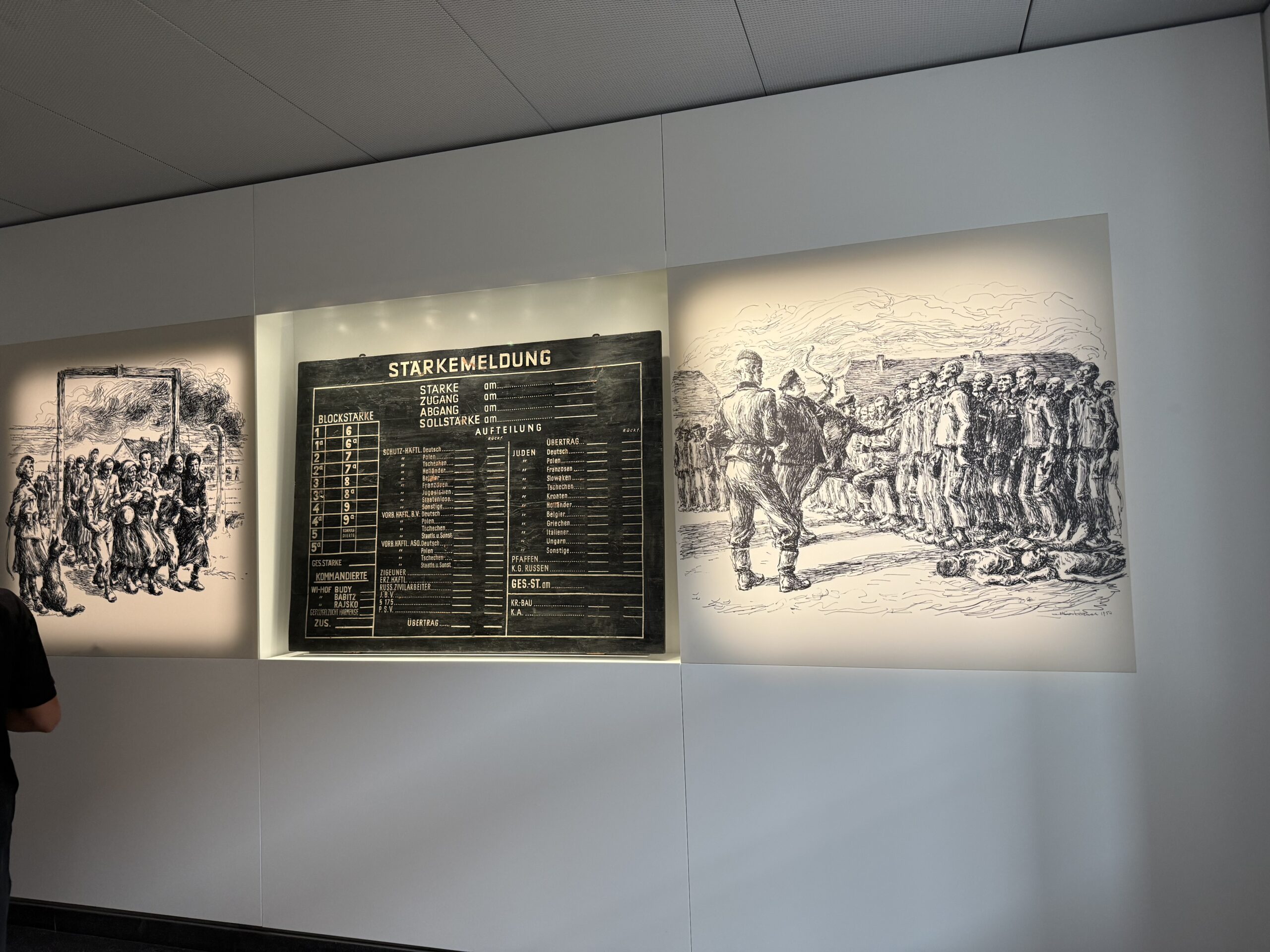
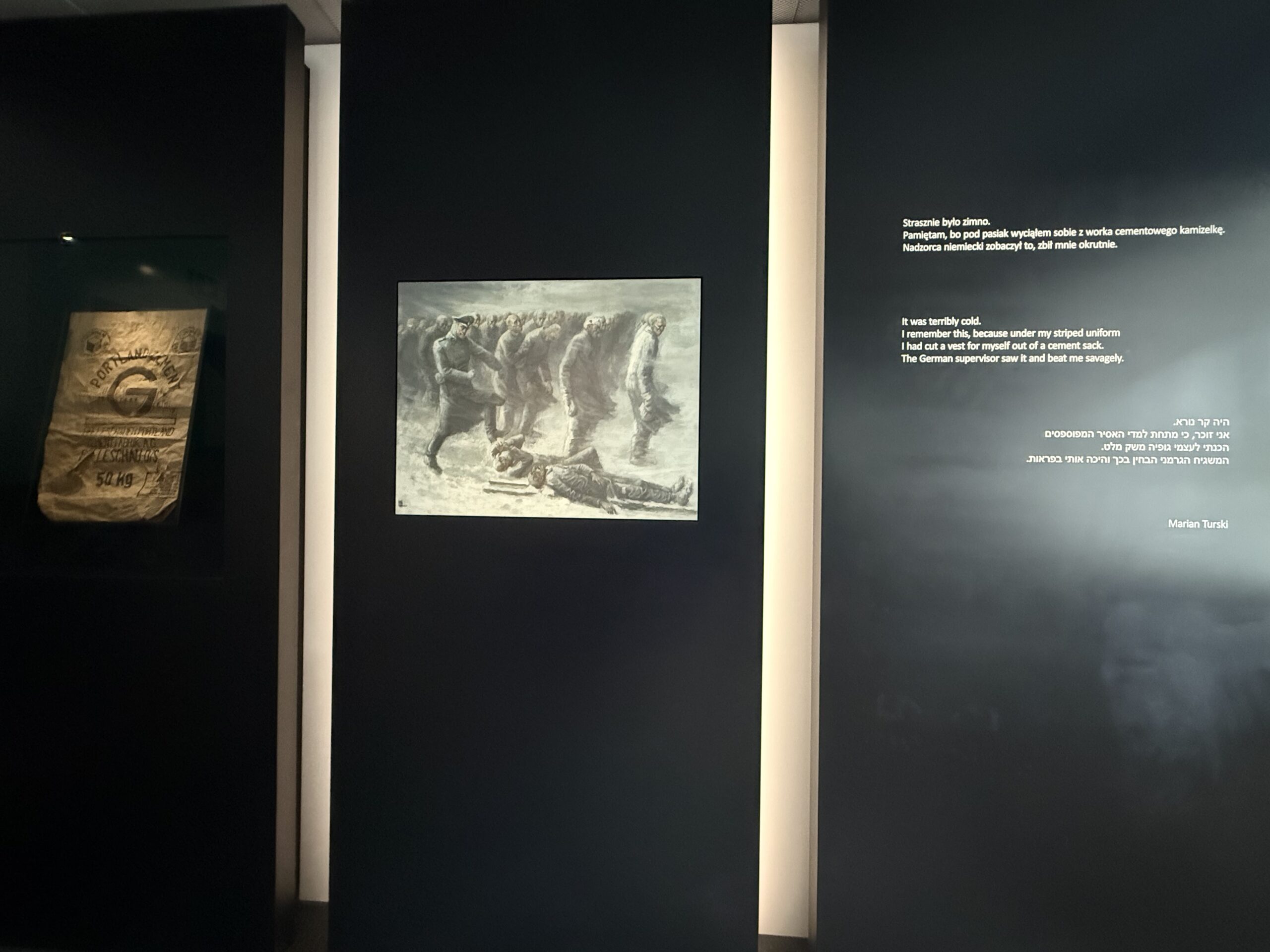
The next building introduces you to drawings made by survivors portraying the torment and torture they endured.
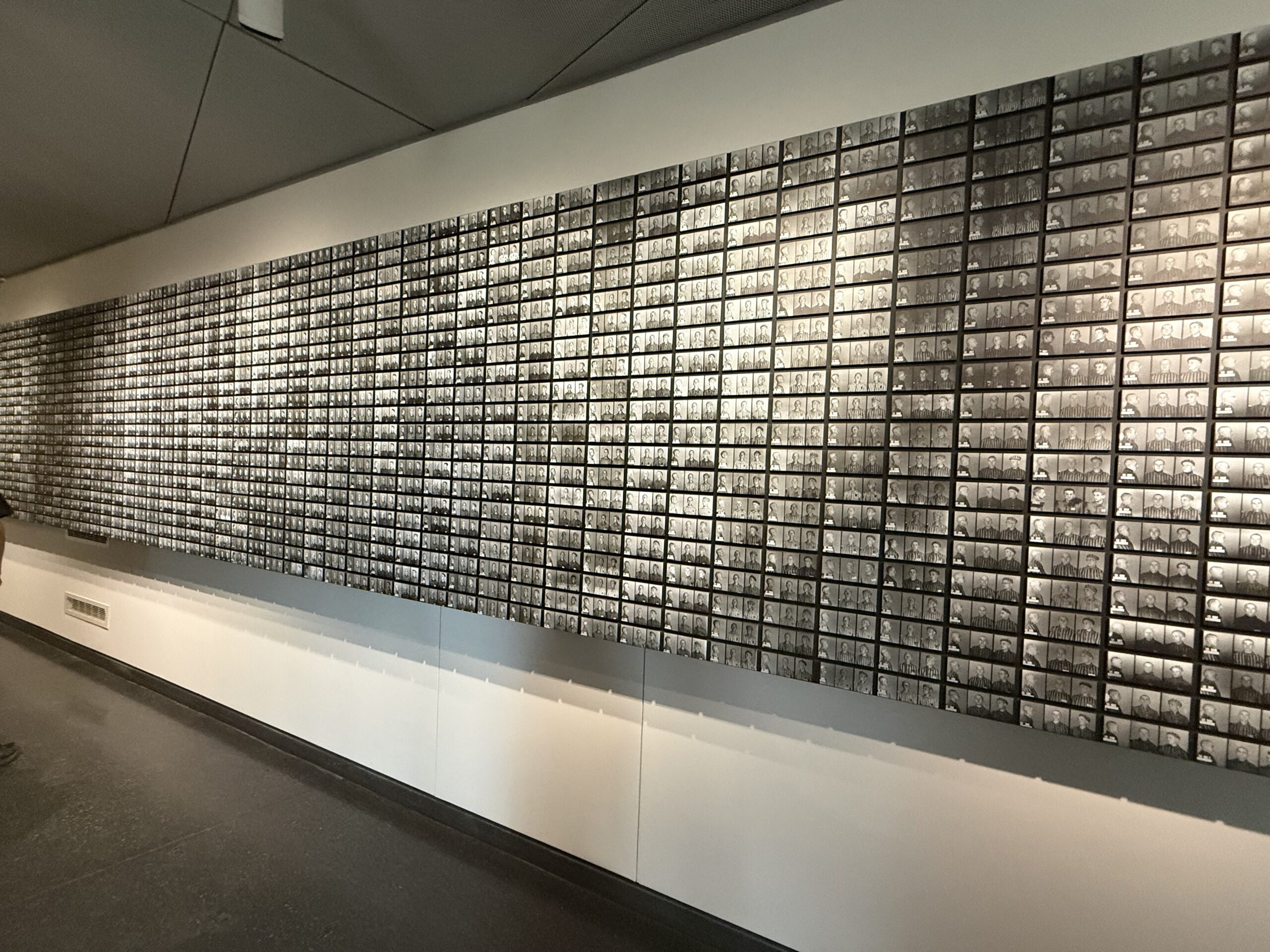
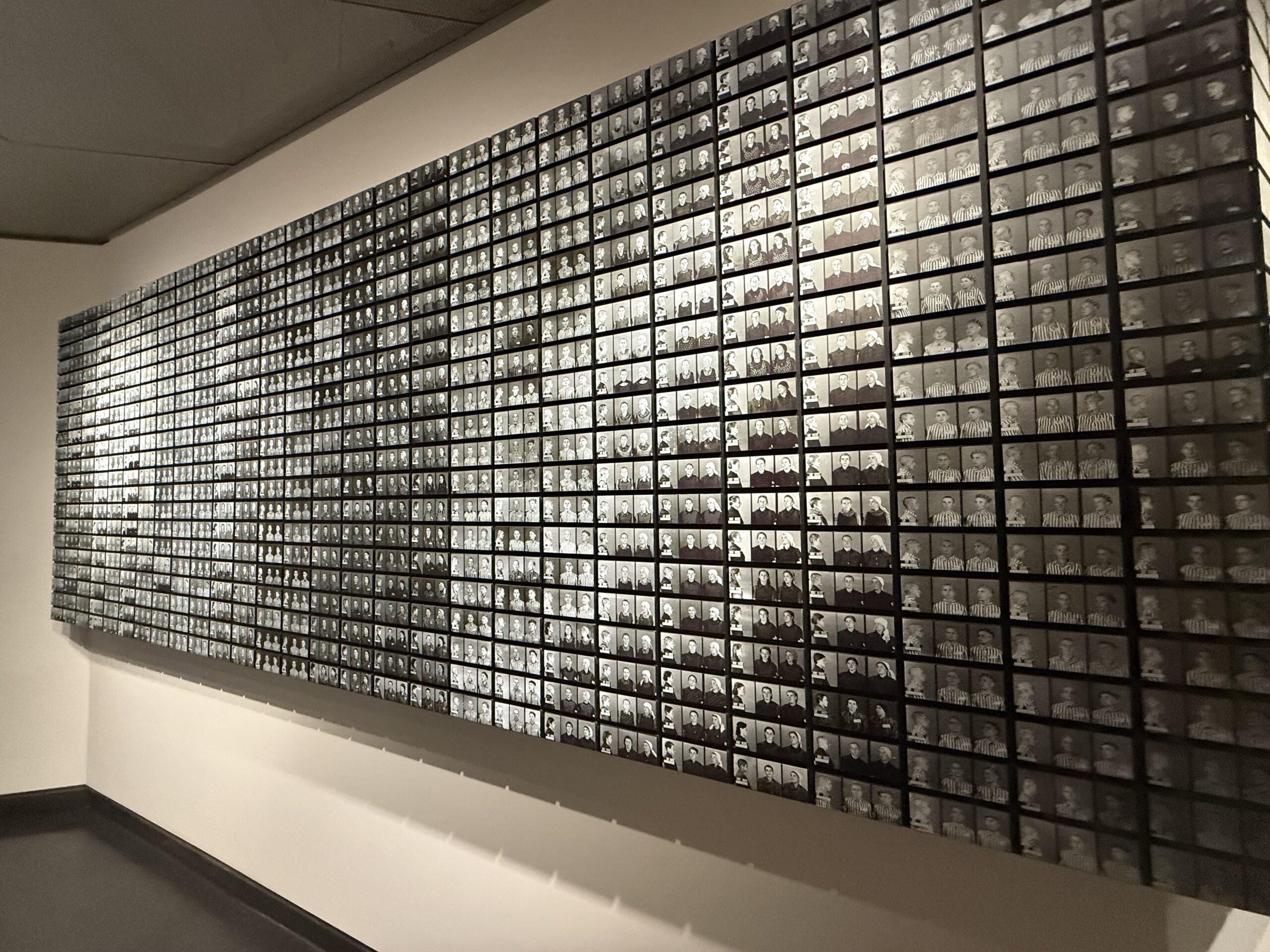
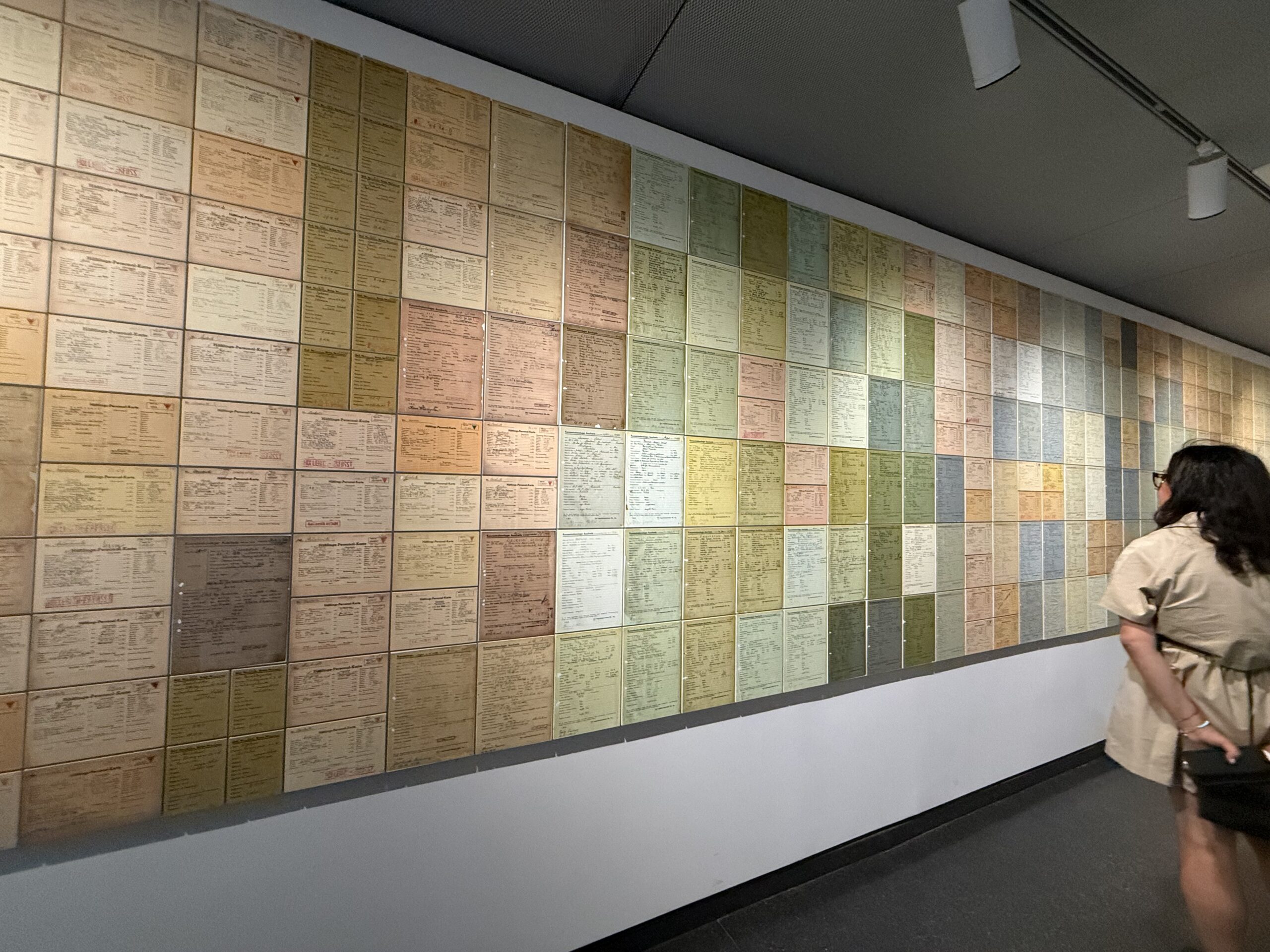
Pictures of prisoners and victims, along with their registration cards greet you in the next hall. The prisoners lost their identification, were reduced to a number, and they had to learn German right away or face punishment.
This bell was rung every morning. The leaders had to submit the roll call card.
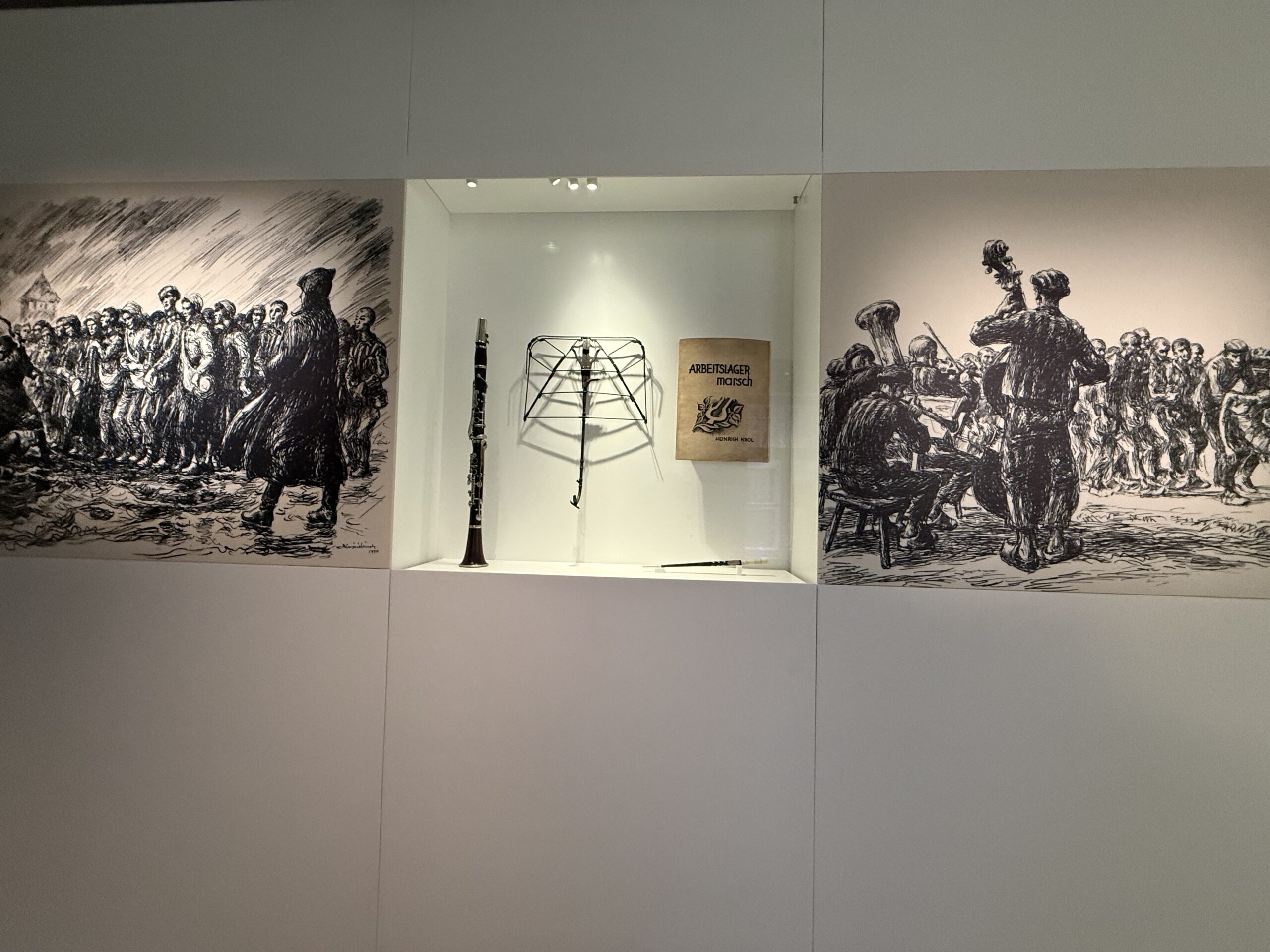
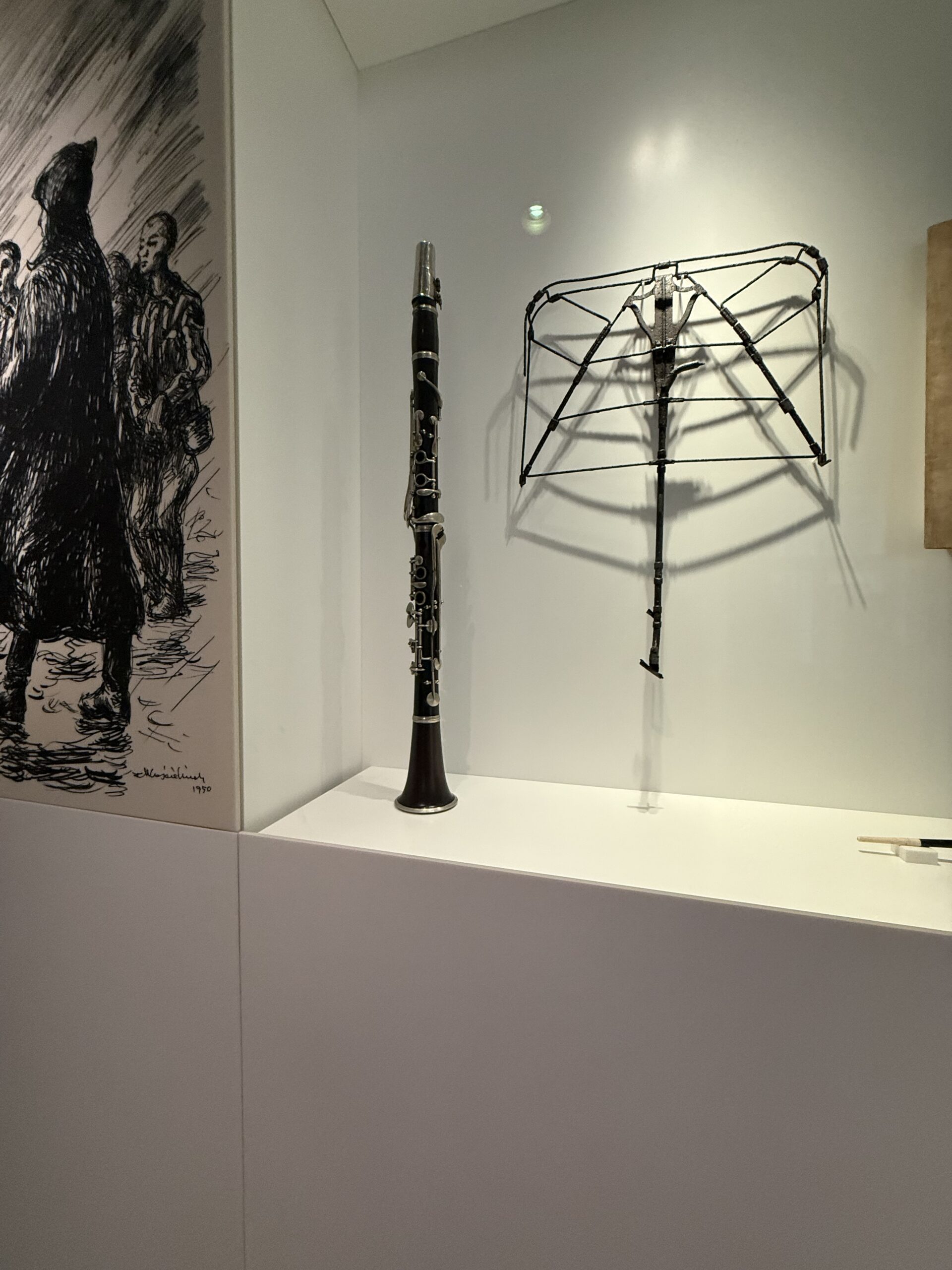
The men’s and women’s camps also had an orchestra. The museum has a clarinet, music stand, and sheet music.
More items in the museum.
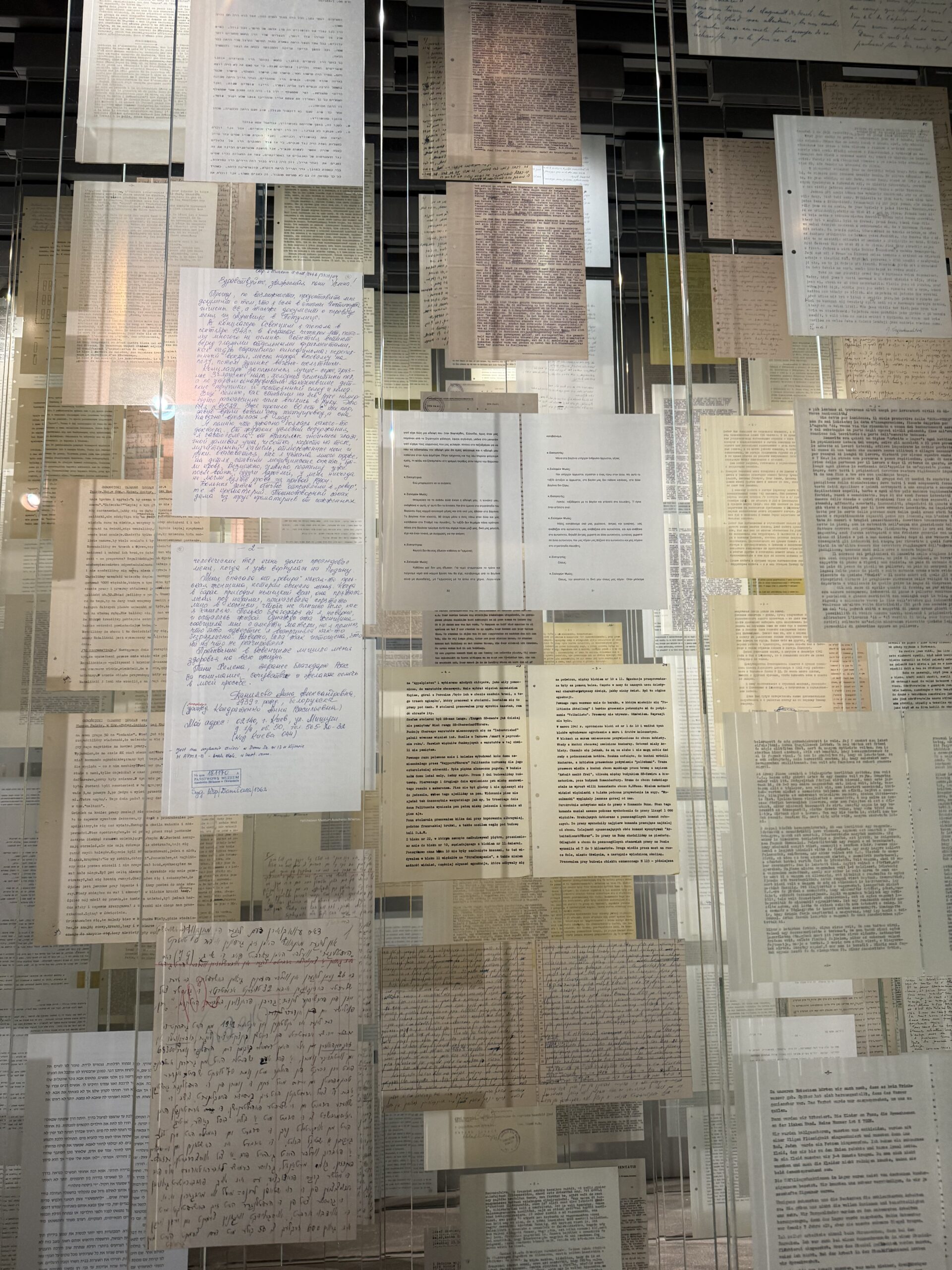
Another room has written testimonies from survivors.
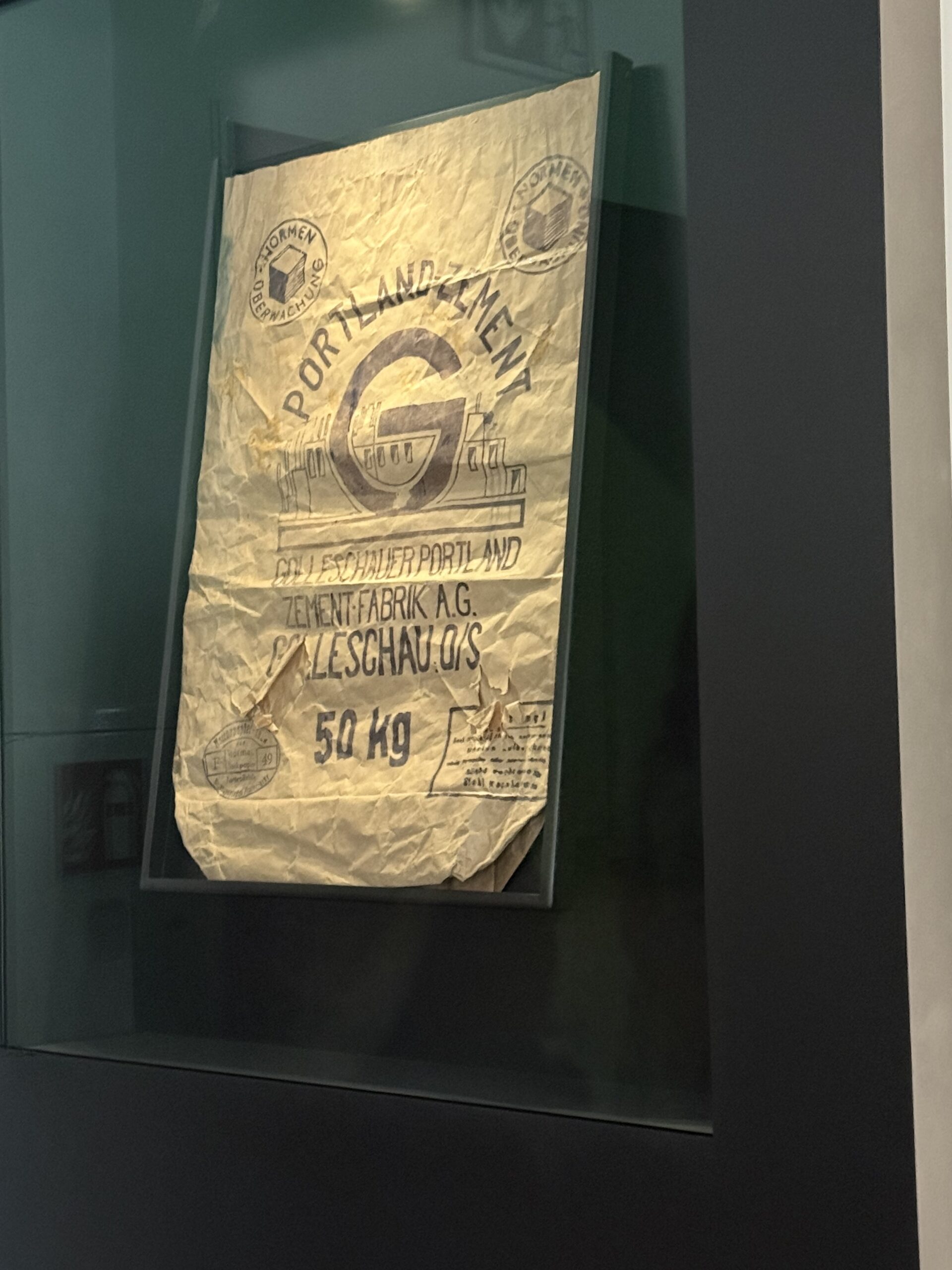
This is a bag that holds concrete. Some prisoners would wear them under the flimsy clothes they wore, but the Germans would punish them if they caught them wearing the bags.
Rudolf Höss commanded Auschwitz until 1943. He lived with his family at a villa behind the camp. His wife Hedwig described their time at Auschwitz as paradise.
Höss helped Eichmann experiment with different gases to mass murder the prisoners. The only gas chamber that remains standing is down the road from their villa, where the experiments took place.
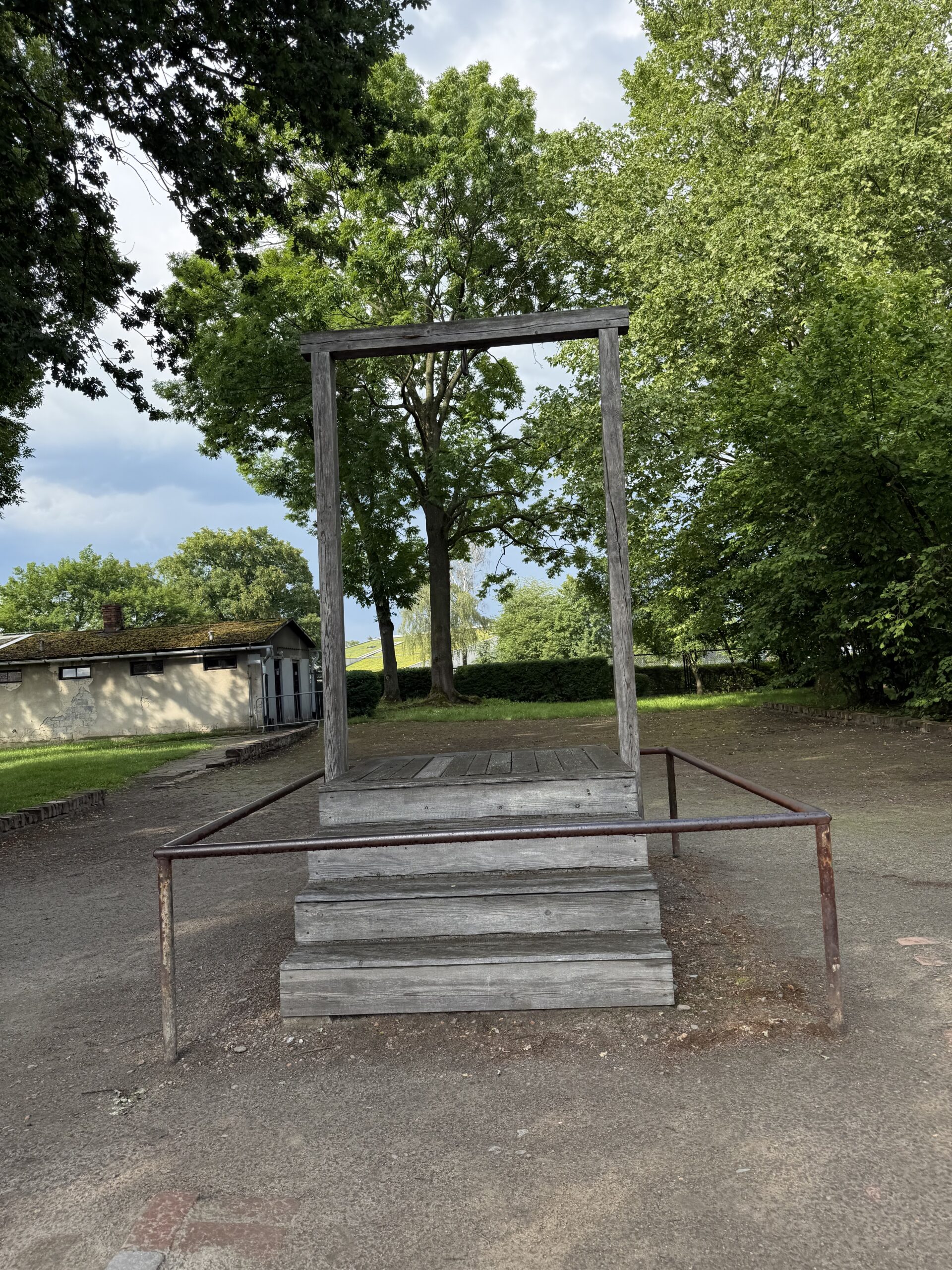
Another item by the gas chambers? The gallows where Höss was executed for war crimes.
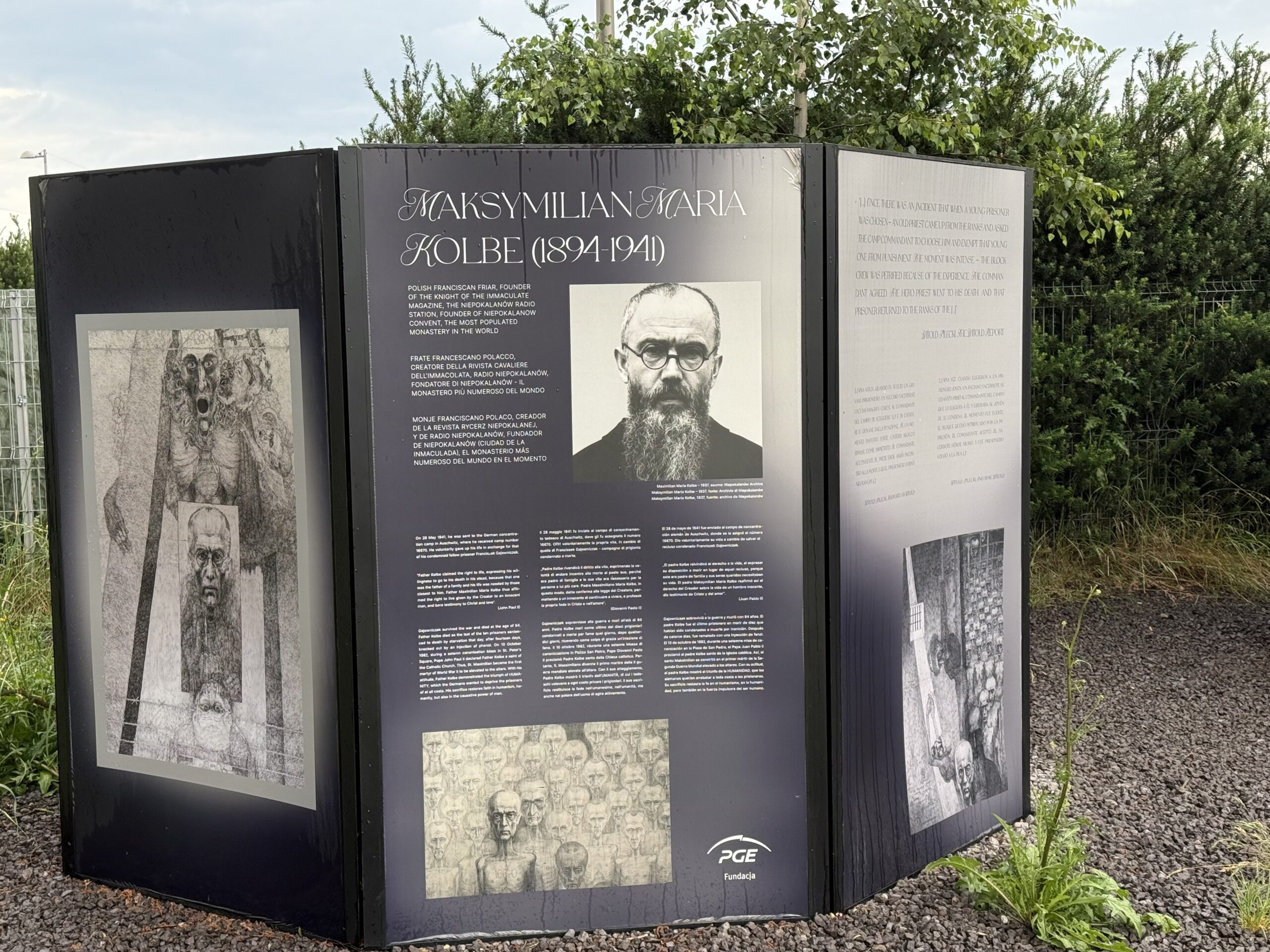
We also couldn’t take pictures of the prison cells. We saw the cell where the Germans imprisoned St. Maximillian Kolbe, who sacrificed himself for Franciszek Gajowniczek.
Gajowniczek survived the war and flourished.
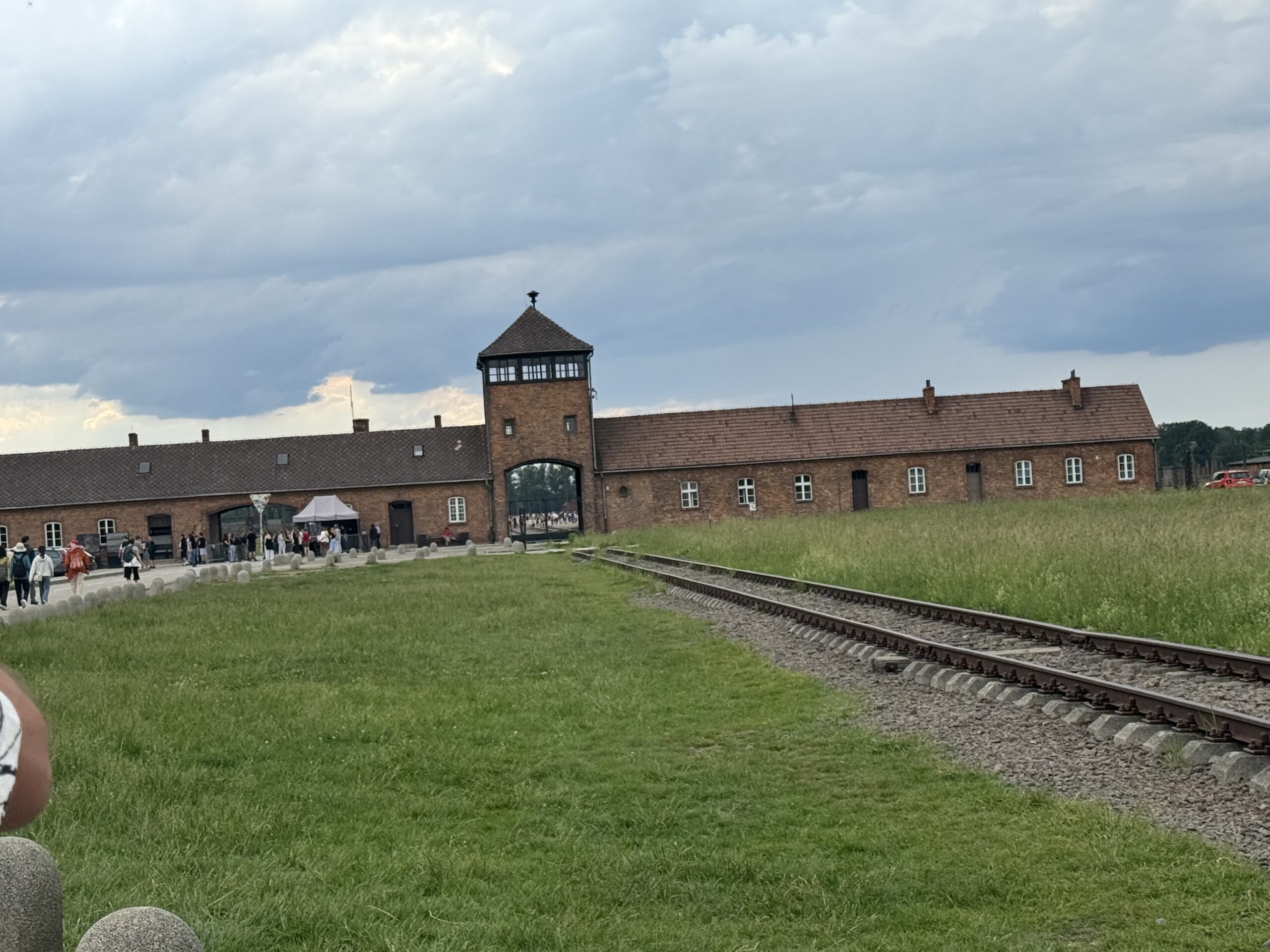
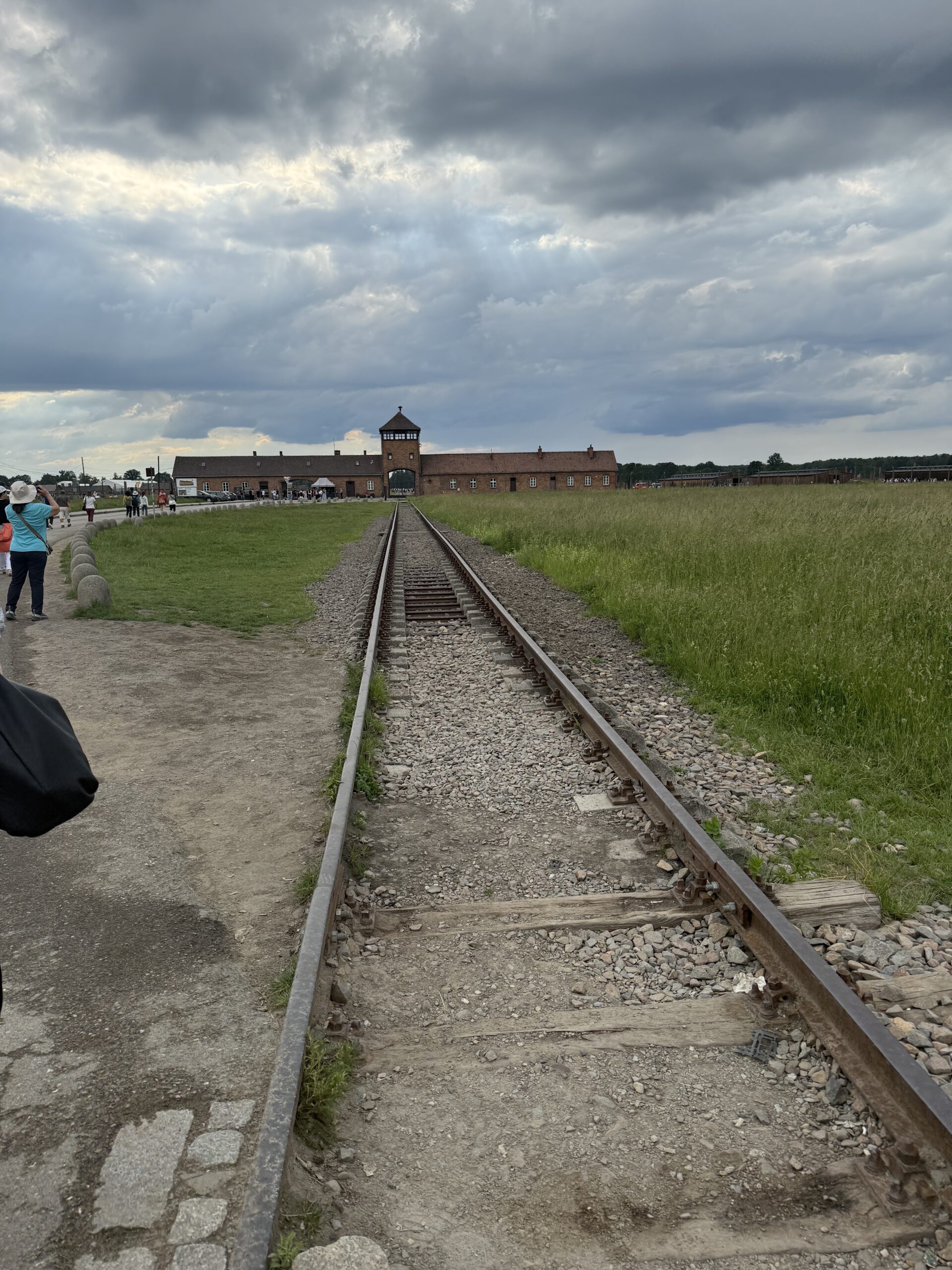
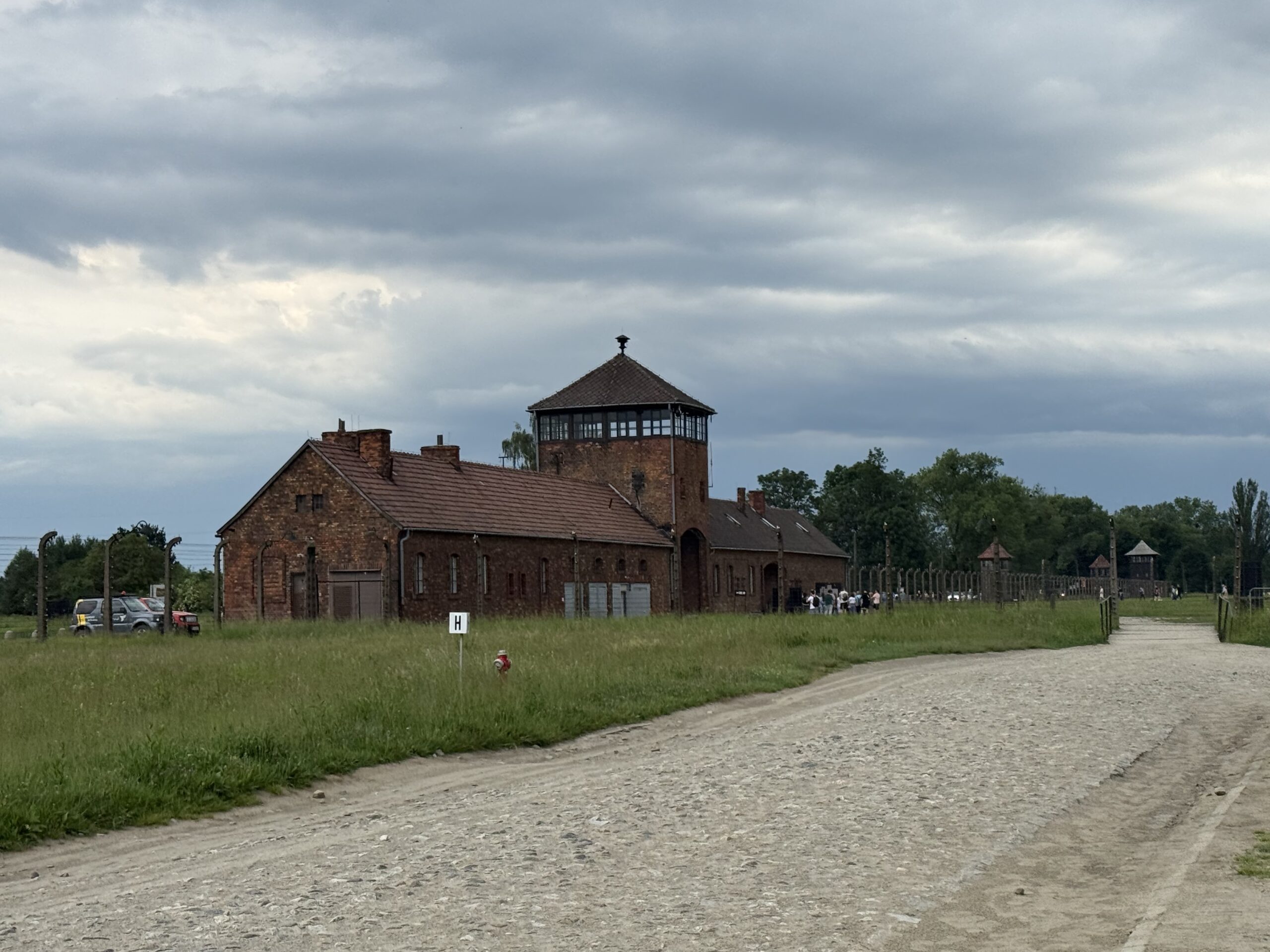
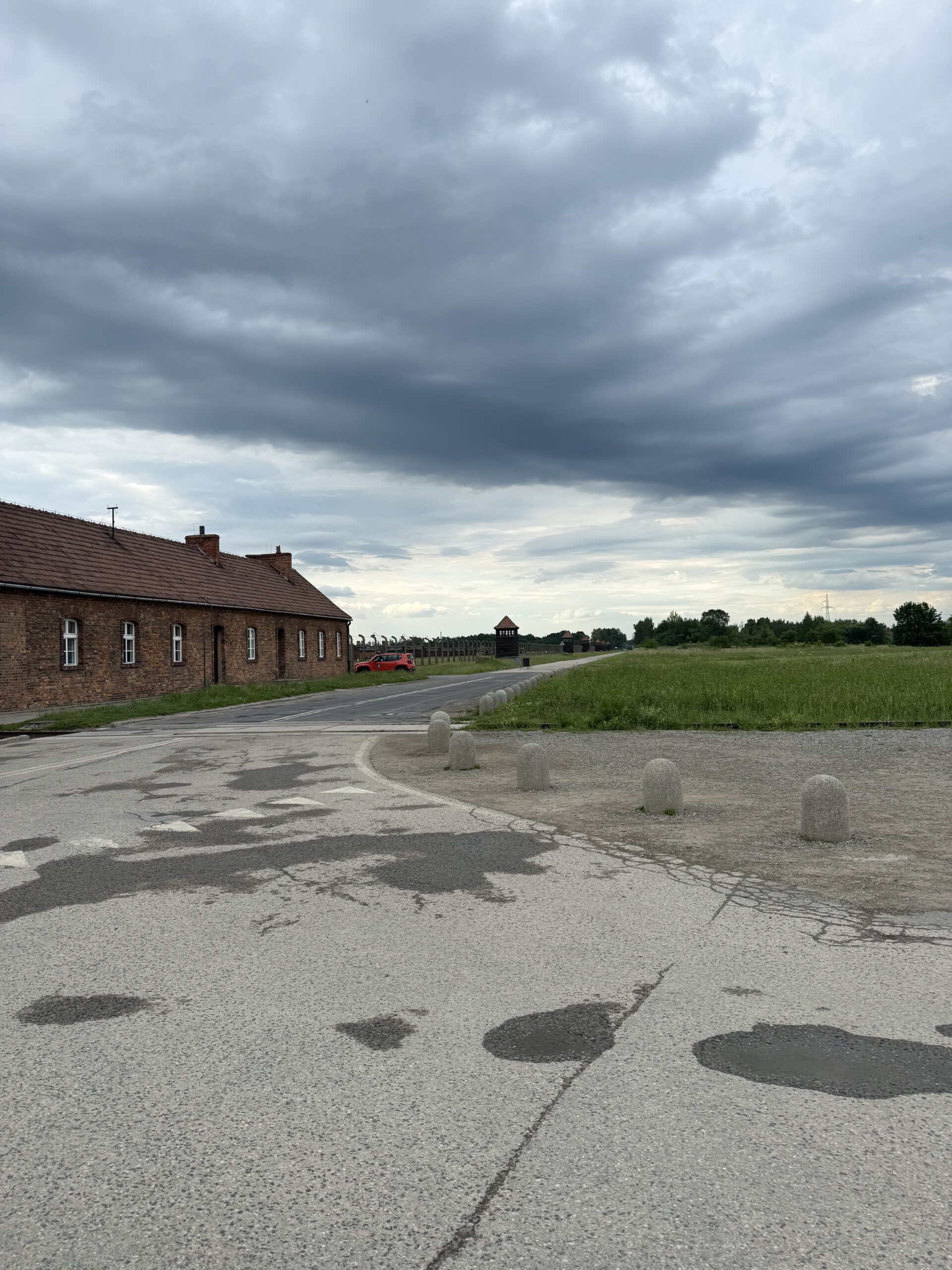
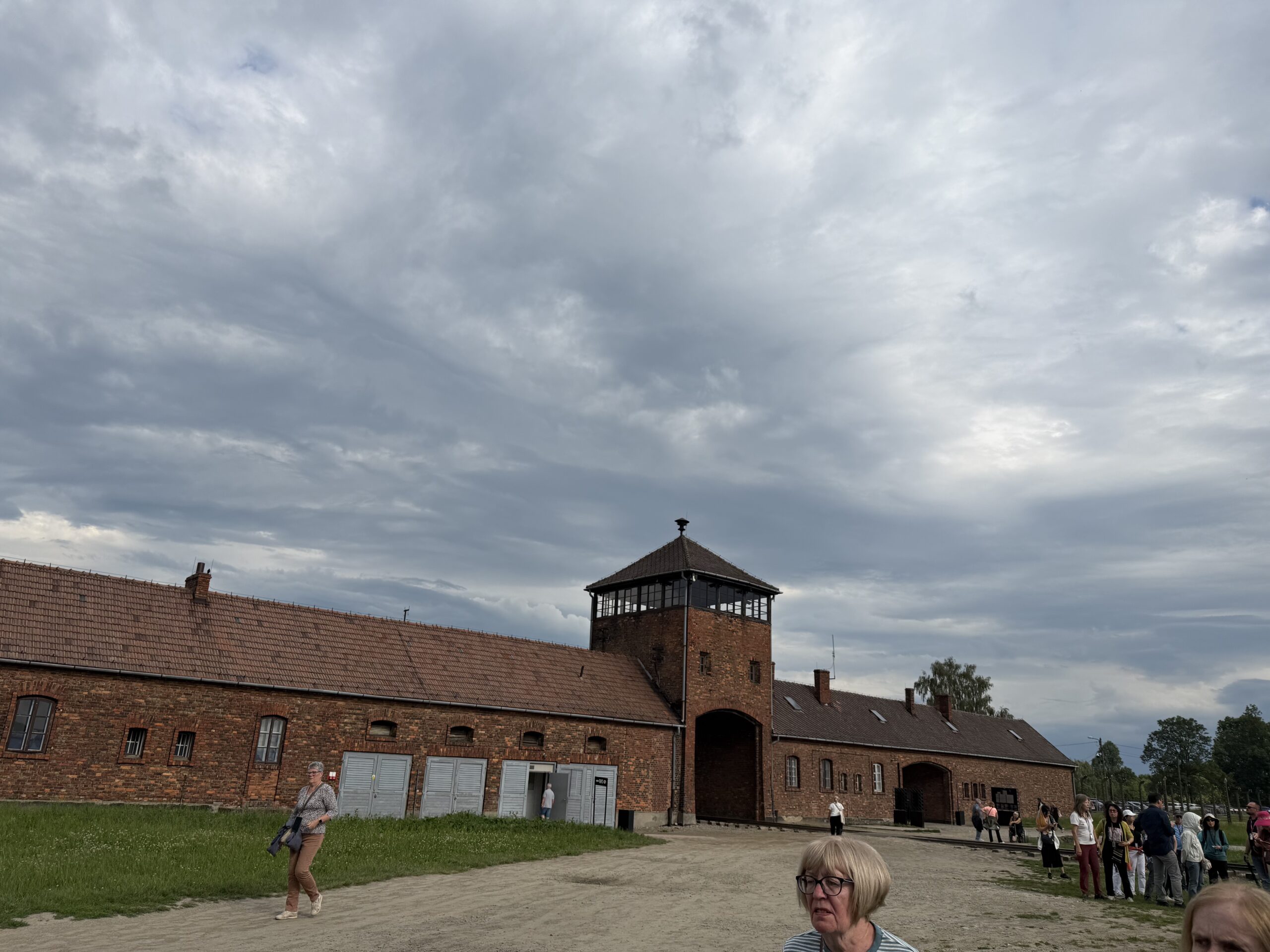
After the tour, you take a short ride to Birkenau. A shorter walk down the street, you see the entrance. Only one way in.
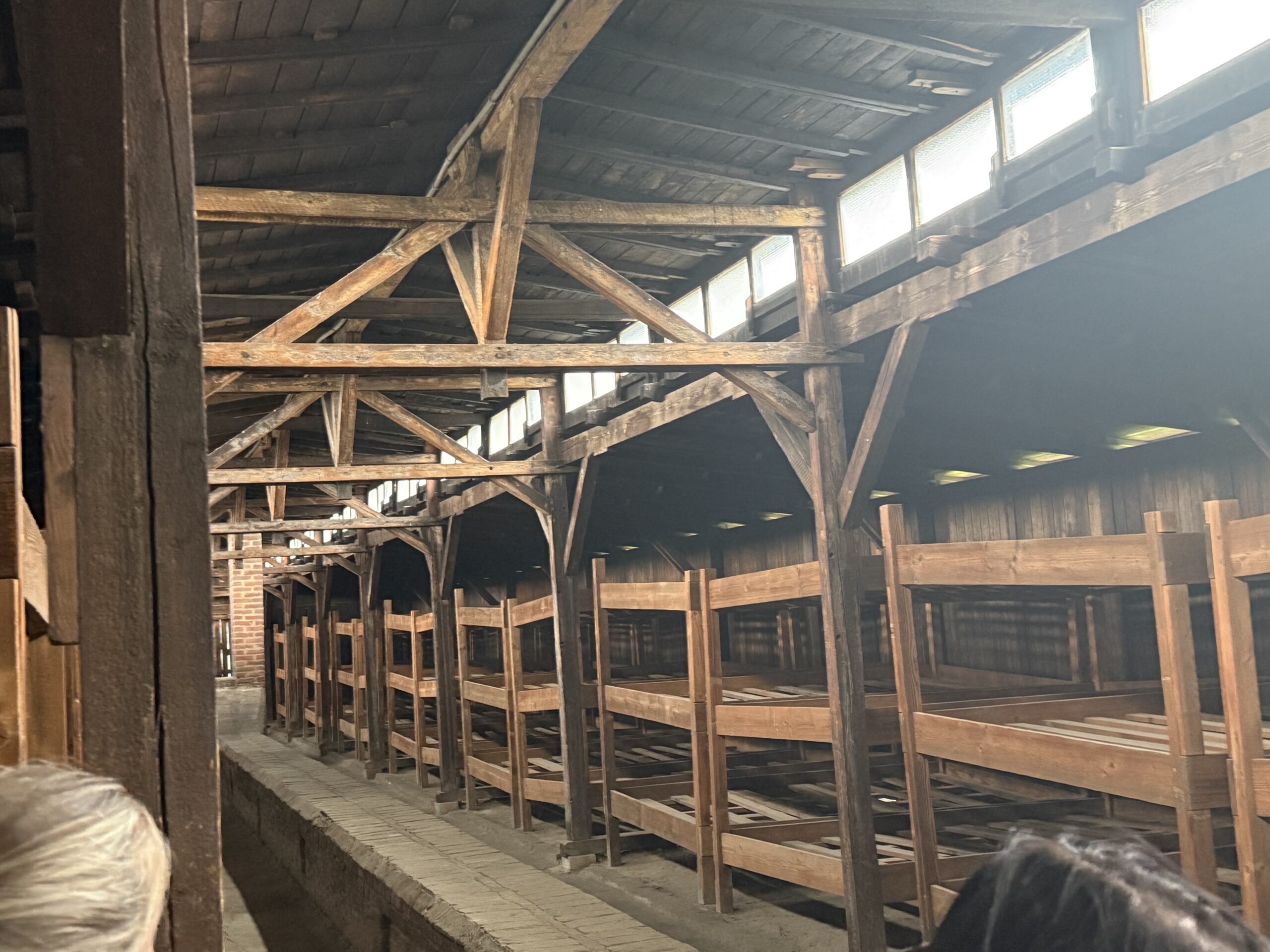
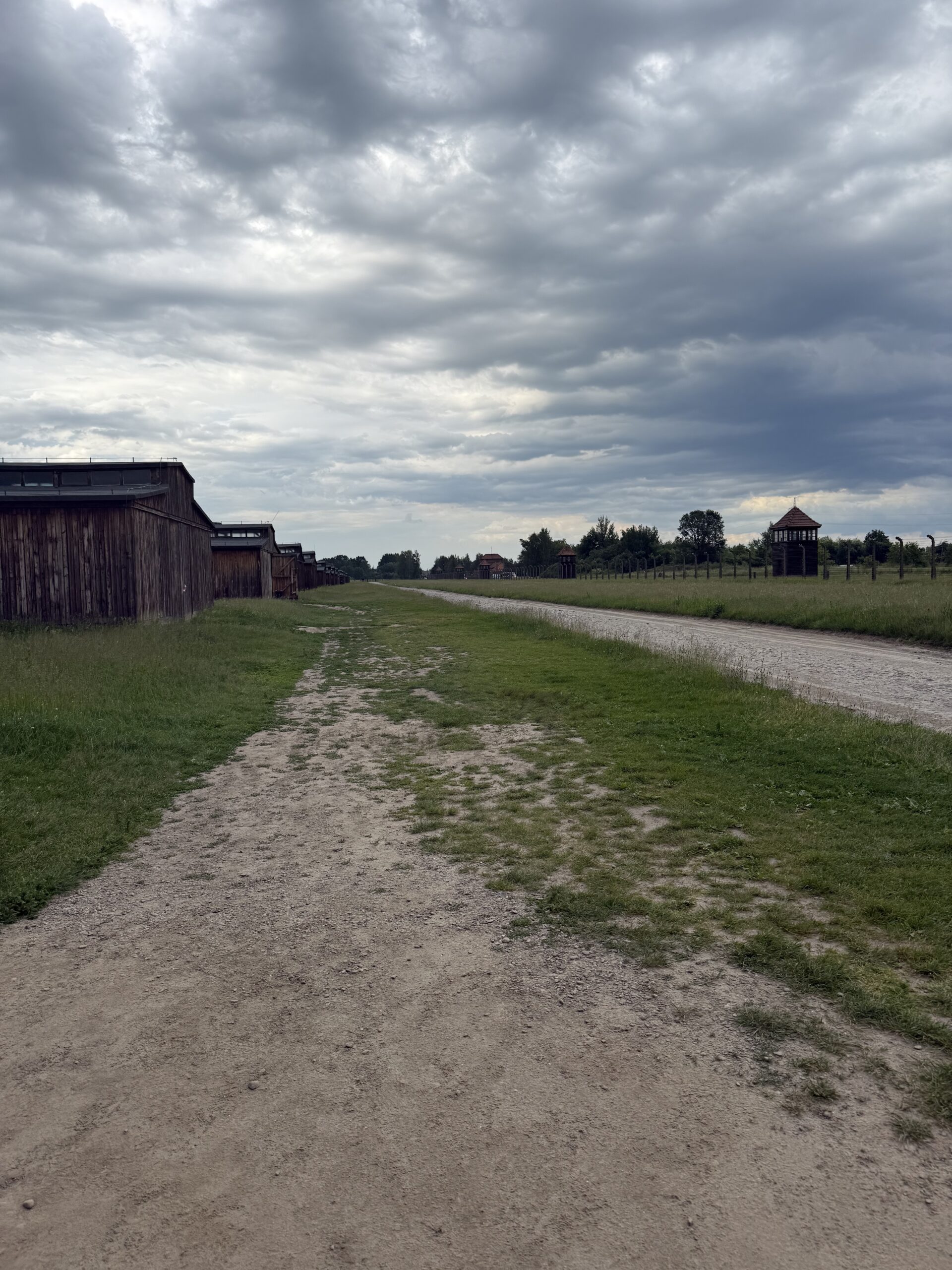
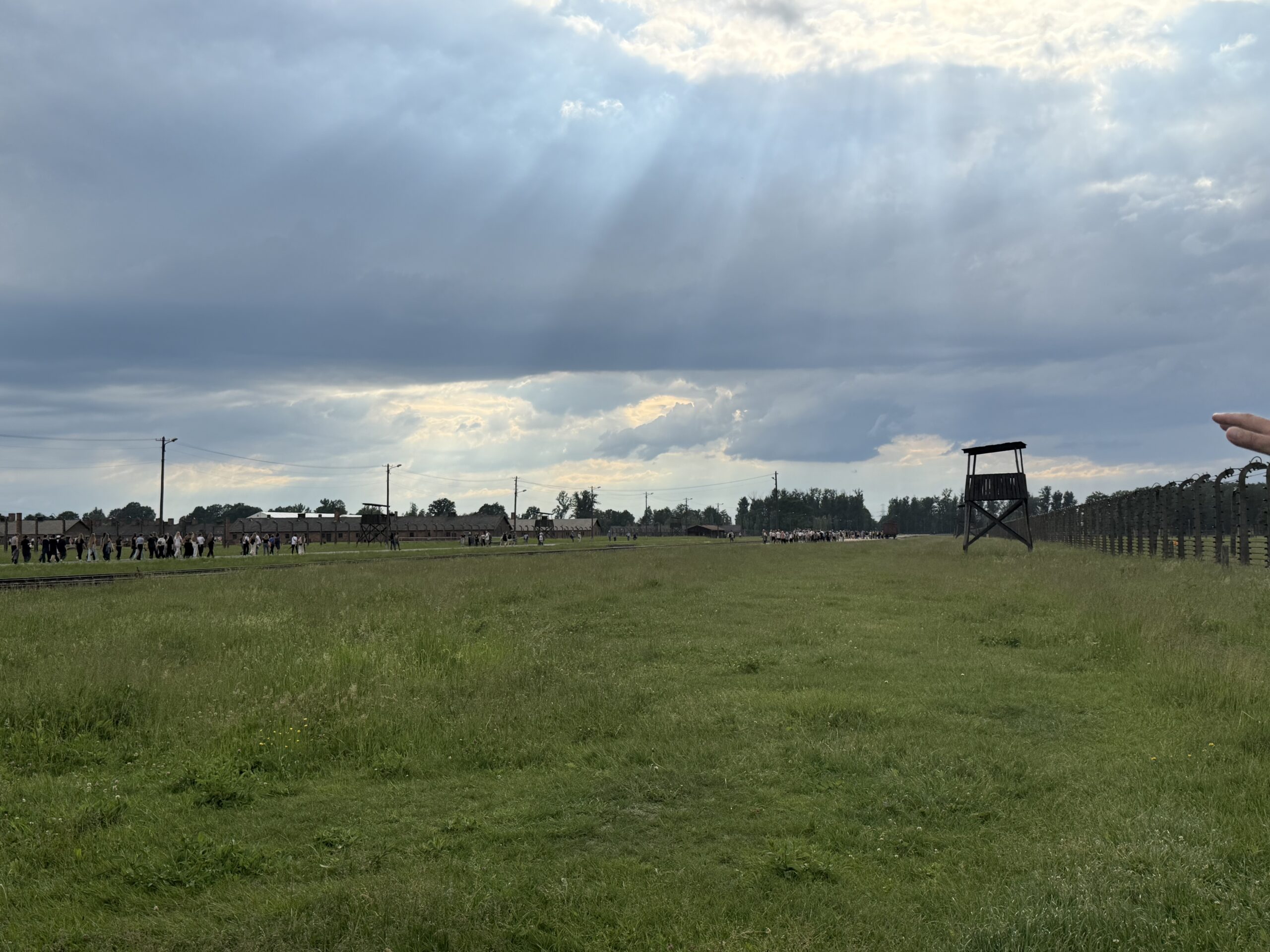
The Germans managed to destroy many of the buildings at Birkenau, but we saw the barracks and the lavatory.
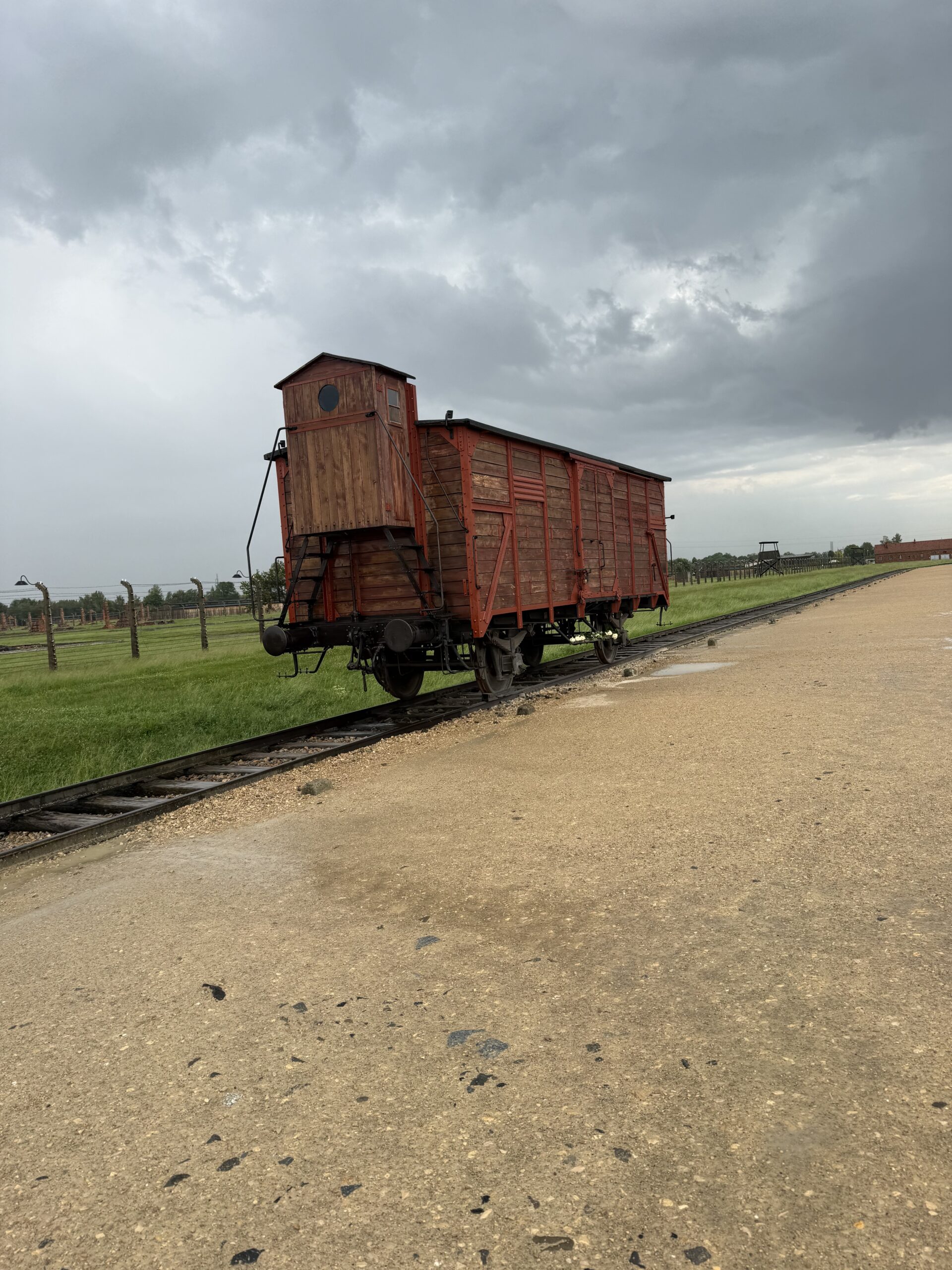
There is also a cattle car that carried hundreds of prisoners to their deaths.
I did not walk down to the destroyed gas chambers because as we stood by the cattle car, the clouds opened on us with a torrential rain and Oklahoma-style winds!
We walked back to the entrance.
It poured on the way back to our hotel. Fitting, considering what we saw.
Auschwitz-Birkenau is a must-visit. We must NEVER FORGET.
NEVER AGAIN.
CLICK HERE FOR FULL VERSION OF THIS STORY