


D.C. Circuit Keeps SAVE Block Amid Clashing Court Orders
Katsas argued that SAVE was returning information about people states had already identified, not handing over Social Security numbers to them.
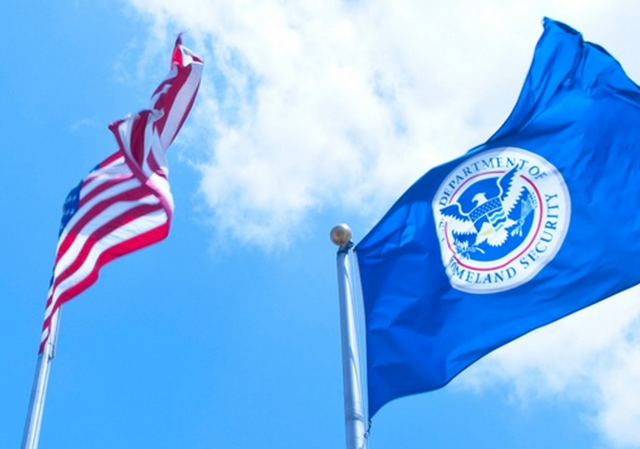
A divided D.C. Circuit panel handed the Trump administration a procedural loss Friday, leaving its expanded citizenship-verification system shut down while the case continues.
The 2-1 ruling centered largely on how the Justice Department handled the case before U.S. District Judge Sparkle Sooknanan, a Biden appointee. The court also ordered an expedited appeal, with both sides given 10 days to propose a briefing schedule.
The Systematic Alien Verification for Entitlements database, better known as SAVE, dates back to 1986. The Trump administration expanded it by connecting the system to Social Security records, adding full and partial Social Security number searches, and allowing states to upload thousands of names at once.
Sooknanan shut those changes down nationwide in June, finding that DHS lacked authority for them and had violated the Social Security Act, Privacy Act, and Administrative Procedure Act. At least 25 states had already used expanded SAVE to run roughly 67 million voter registrations since April 2025.
DOJ then asked the D.C. Circuit to put her ruling on hold. Chief Judge Sri Srinivasan and Judge Robert Wilkins refused. Judge Gregory Katsas dissented. The majority never had to decide whether modified SAVE was legal.
A big part of the problem was self-inflicted. DOJ spent months litigating the case without making several Social Security Act arguments it later leaned on heavily. After the government lost, Sooknanan invited it to file a post-judgment motion so those arguments could be considered. DOJ skipped it.
“When the government first aired those forfeited arguments … the district court declined to consider them … but expressly invited the government to submit a post-judgment motion. The government did not do so, instead coming straight to our court and seeking a stay pending appeal.”
Katsas still believed the government had the better legal argument. He pointed to federal law requiring DHS to respond to state and local requests for citizenship or immigration status information and argued that SAVE was returning information about people states had already identified, not handing over Social Security numbers to them.
But Katsas was not finished. He also took on the majority over something it could not easily dismiss.
Then there is Florida.
Florida sued the Biden administration in 2024 over SAVE’s limitations. After Trump returned to office, DHS settled with Florida, Ohio, Iowa, and Indiana. The agreement required DHS to maintain bulk uploads and searches using full Social Security numbers or the last four digits. A federal judge approved that settlement in December 2025.
Sooknanan’s nationwide order knocked those features out anyway.
The four states went back to the Florida court, where U.S. District Judge T. Kent Wetherell II ordered DHS to restore access under the settlement. DHS is now stuck trying to comply with Wetherell’s order while Sooknanan’s remains in place.
Katsas thought the D.C. Circuit should deal with that conflict directly.
“The respective orders unquestionably impose conflicting legal obligations, regardless of how the respective district courts might view the underlying merits. And in doing our part to resolve the conflict, we should say what the governing law actually is.”
The majority treated the Florida order as a settlement-enforcement matter and left it there. That does not solve DHS’s problem, and it does not resolve the underlying legal question either.
Both fights are still coming. Until then, expanded SAVE stays dark.
Donations tax deductible
to the full extent allowed by law.







Comments
Of course they do, we wouldn’t want honest elections, would we?
Why wouldn’t the DOJ file the post-decision briefs? Why would they omit supporting arguments? I’ve done my share of state appellate work, and you have to make your arguments at the correct stage of the proceeding. Why did they fail at that? So important, all about voting integrity and ACCURACY.
The pattern for most of the lawfare resistance to upending the status quo re verification for participating in multiple federal programs is pretty clear. Step one, sek to overwhelm the Agency with multiple filings across multiple Circuits with arguments/issues raised just distinct enough to keep the separate. Step two, seek to file when assignment of the Judge is more/less certain by filing when their favored Judge is ‘on call’ after hours, on weekend or perhaps by coordinated filings by allies to keep unfriendly Judges off the wheel. Step three get the TRO ASAP as once stopped a program, practice or policy initiative is harder to restart. Step four, delay and file all sorts of amendments to the initial filing to create more work for the opposing Agency counsel. Step five, demand alk sorts of broad but extraneous discovery that a friendly Judge (that you shopped for at step 2) might just grant to further increase the burden. Step six, ask for sanctions v the Agency Attorneys when the demanded data is delayed or incomplete regardless of the impossible timeline.
Sooner or later though whatever lawfare shenanigans are engaged in there’s a District CT ruling that can be appealed. The downside to these tactics is that it has potential to create different rulings in different CT sometimes among Circuits which makes SCOTUS more likely to intervene. Then there’s the little issue of SCOTUS, even Roberts, getting a little tired of District CT wilding out and ignoring both soft ‘guidance’ from Circuit and SCOTUS as well as hard precedent. IMO the latter is ultimately gonna be counter productive to the lefty cause as I predict SCOTUS is gonna be more and more willing to grant relief off the regular but especially shadow docket to rein in District CT who stray too far.
Don’t follow appreciate the timeline here, I could readily understand the Biden DOJ purposefully sabotaging its case to hamstring citizen verification. I guess some hack democrat holdovers might be intentionally causing problems but whatever. Here the forfeited arguments relate to clear statutory language that renders the plaintiffs’ arguments meritless. In other words, these are not disputed or overlooked facts in the record. The plaintiffs are wrong on the law. Matters considered de novo by appellate courts. Under these circumstances, it is grossly irresponsible not to allow the government to assert the clear statutory language in its defense. This country may not survive the judicial insurrection.
Obama judges.