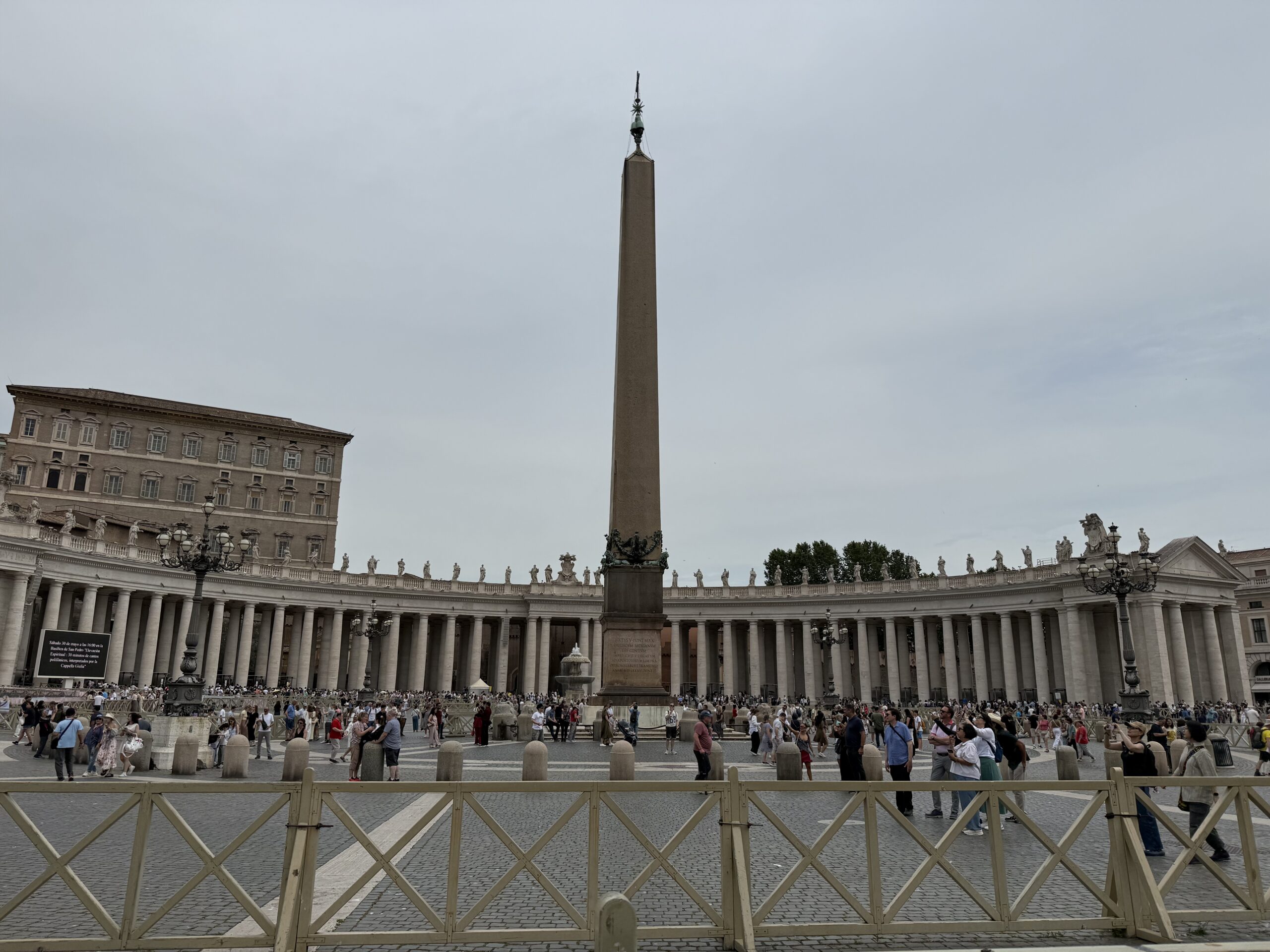
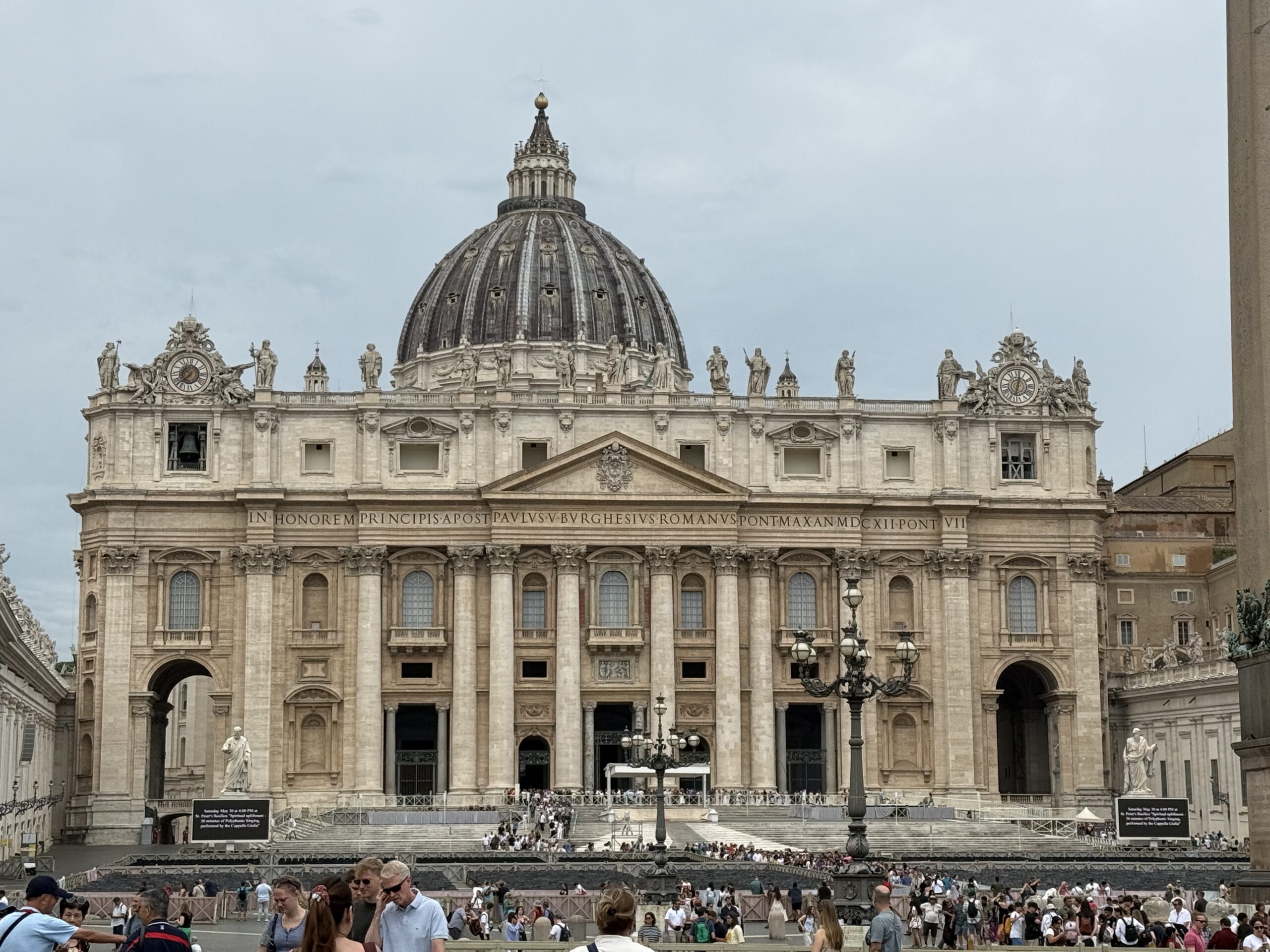
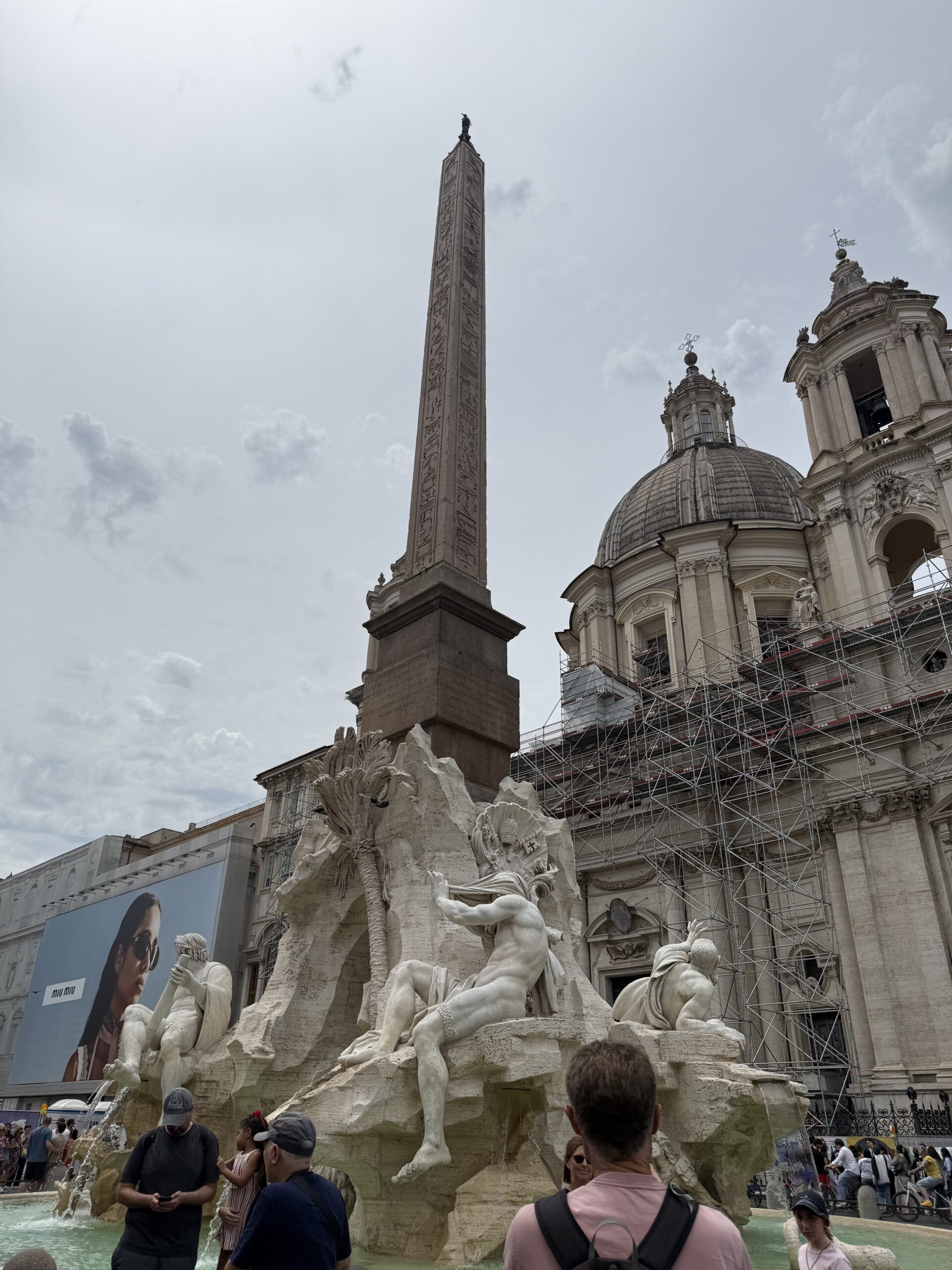
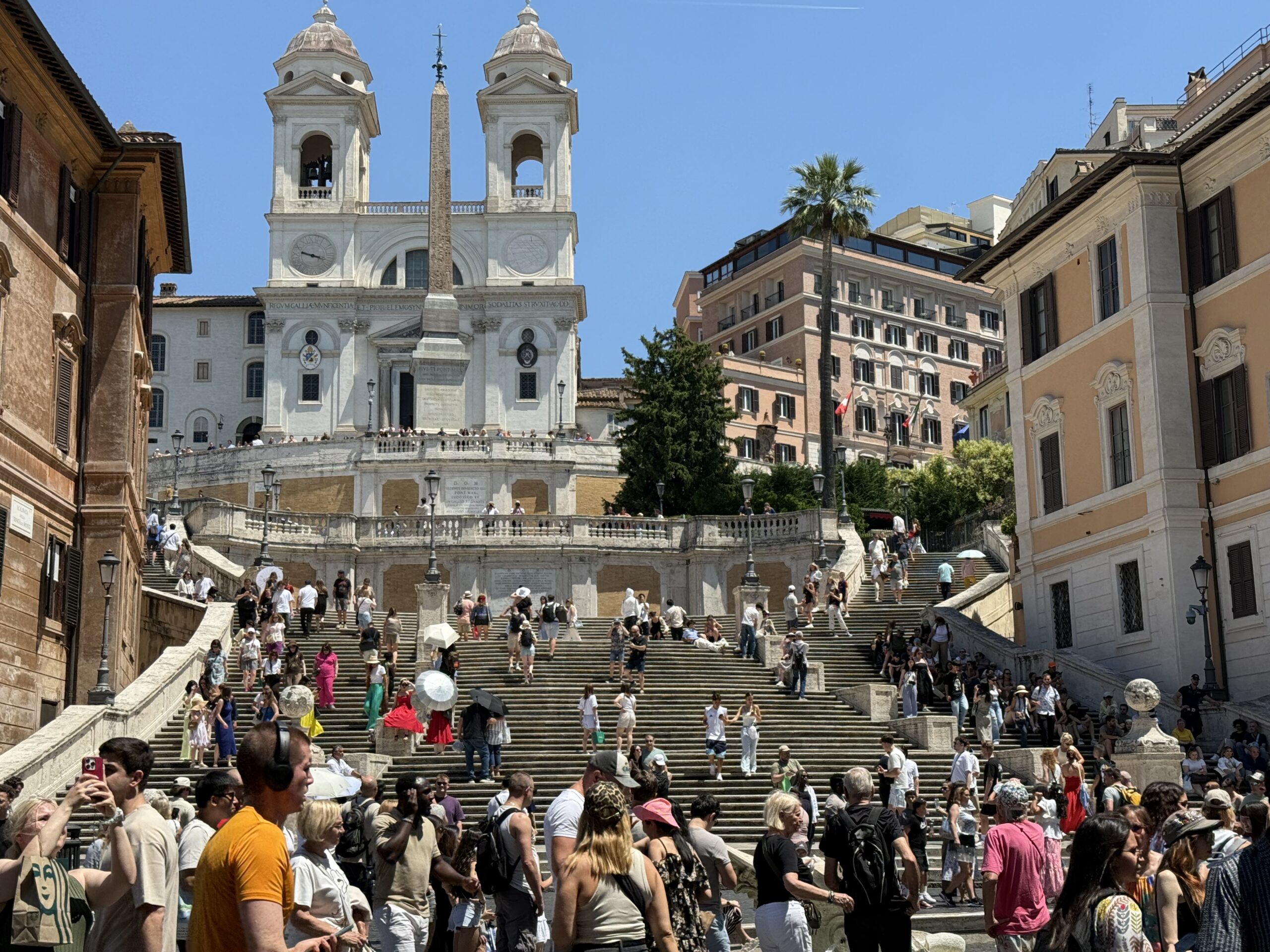
Hello from Rome, Italy! We landed Friday morning and have been walking around nonstop. We walked by St. Peter’s, the Pantheon, Piazza Navona, and the Spanish Steps.
On Monday, we started our week of guided tours.
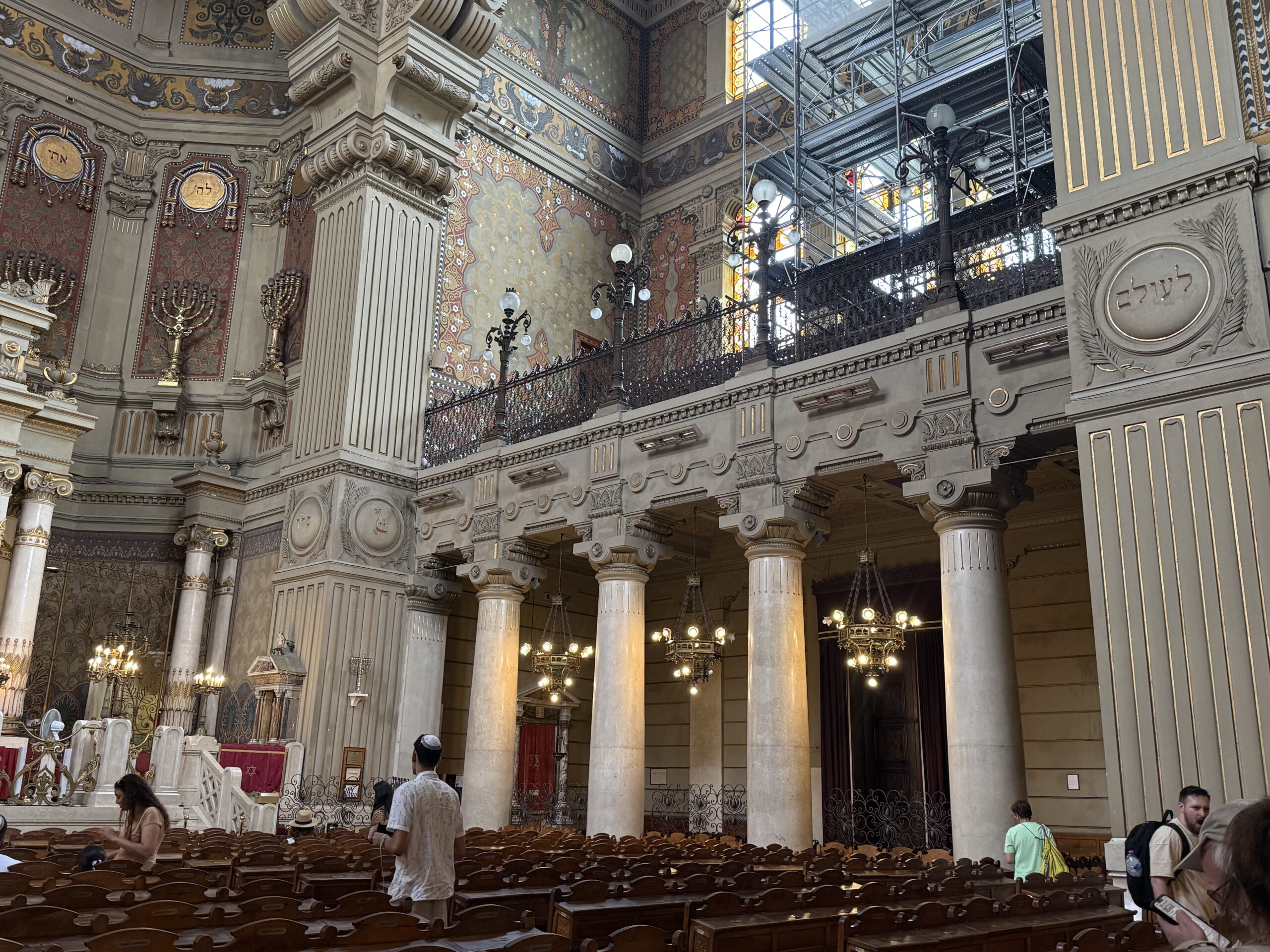
First up, we have Rome’s Jewish quarter. Pope Paul IV established the Jewish ghetto in 1555 to separate them from the general population.
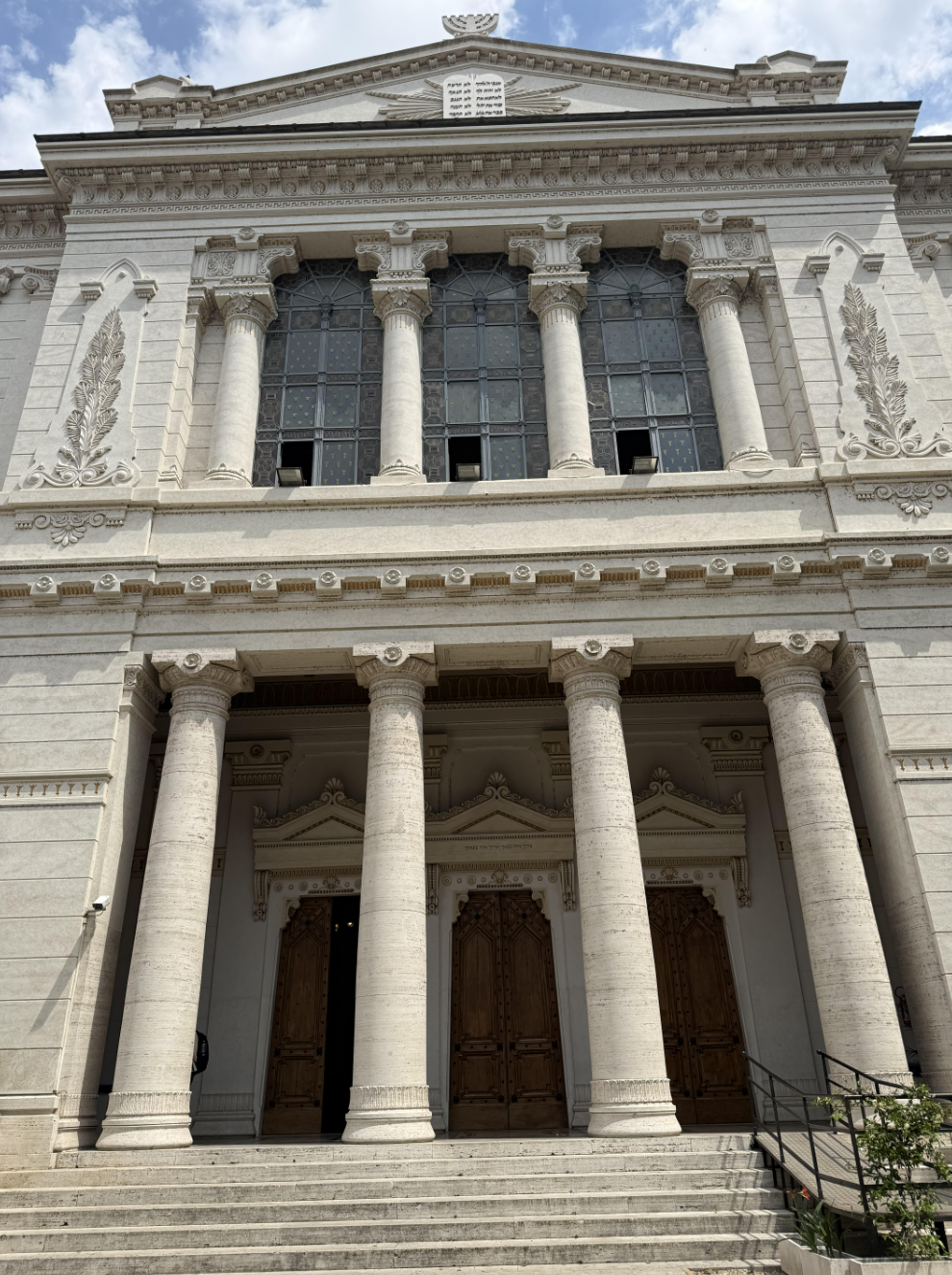
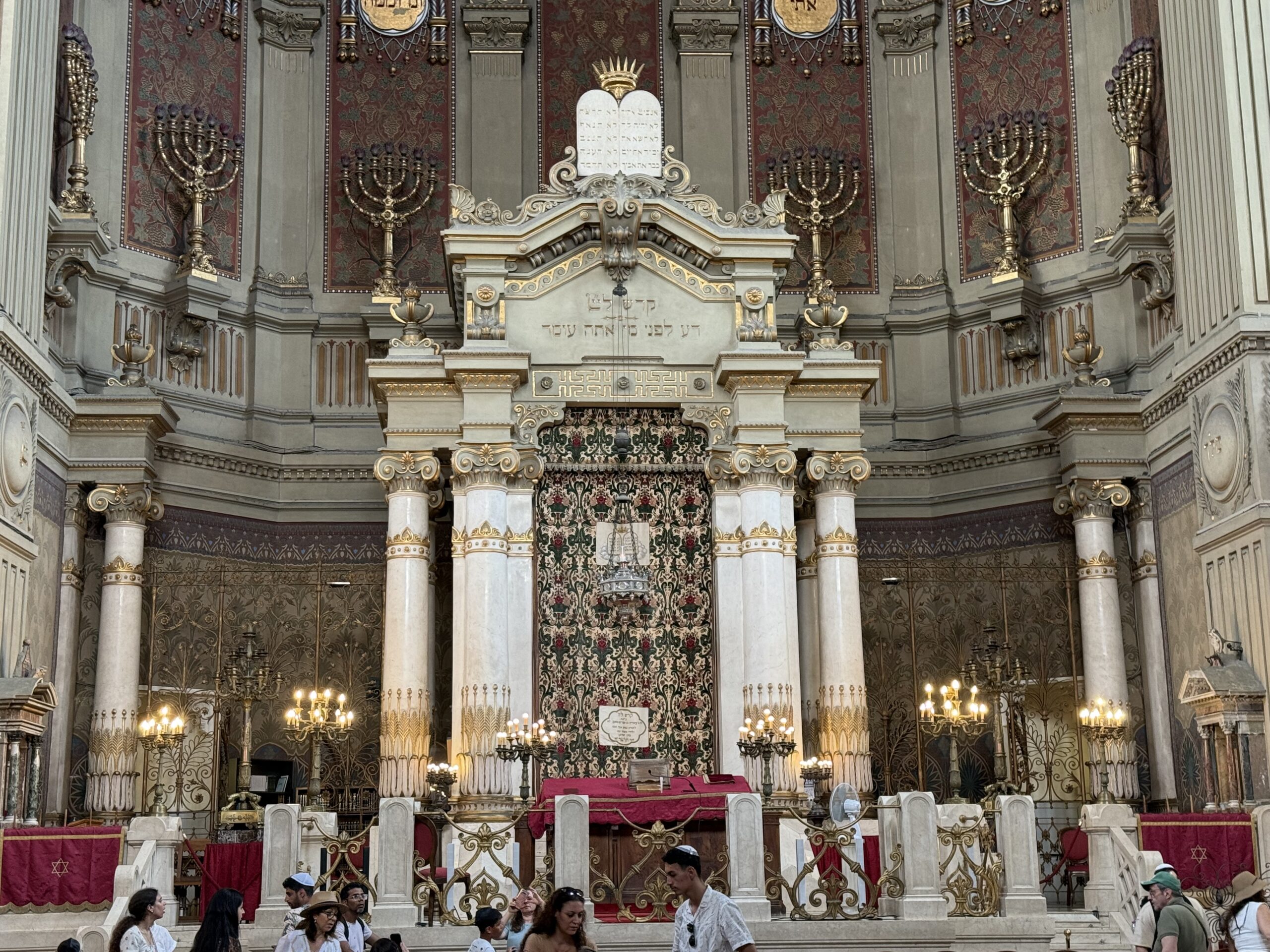
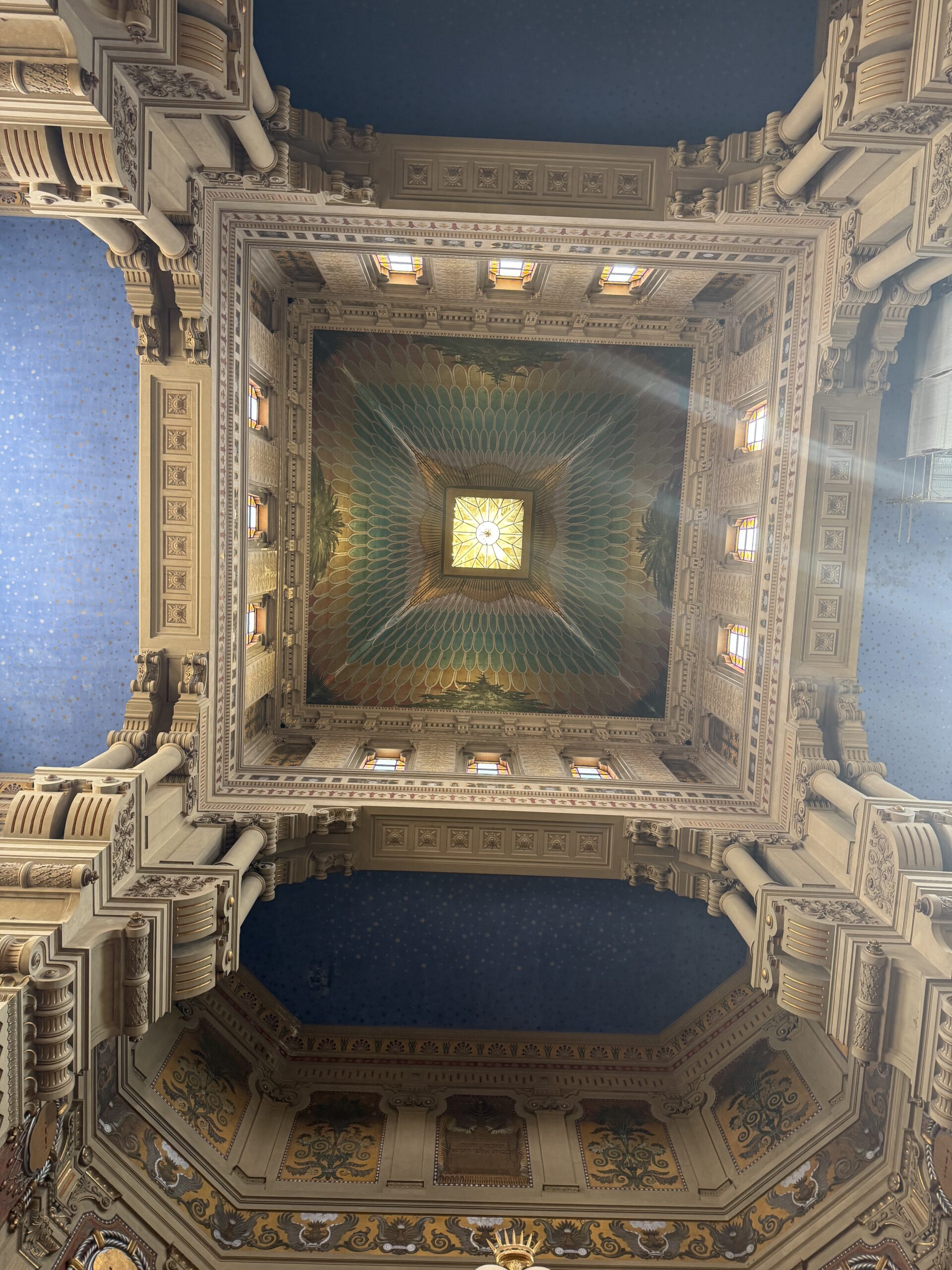
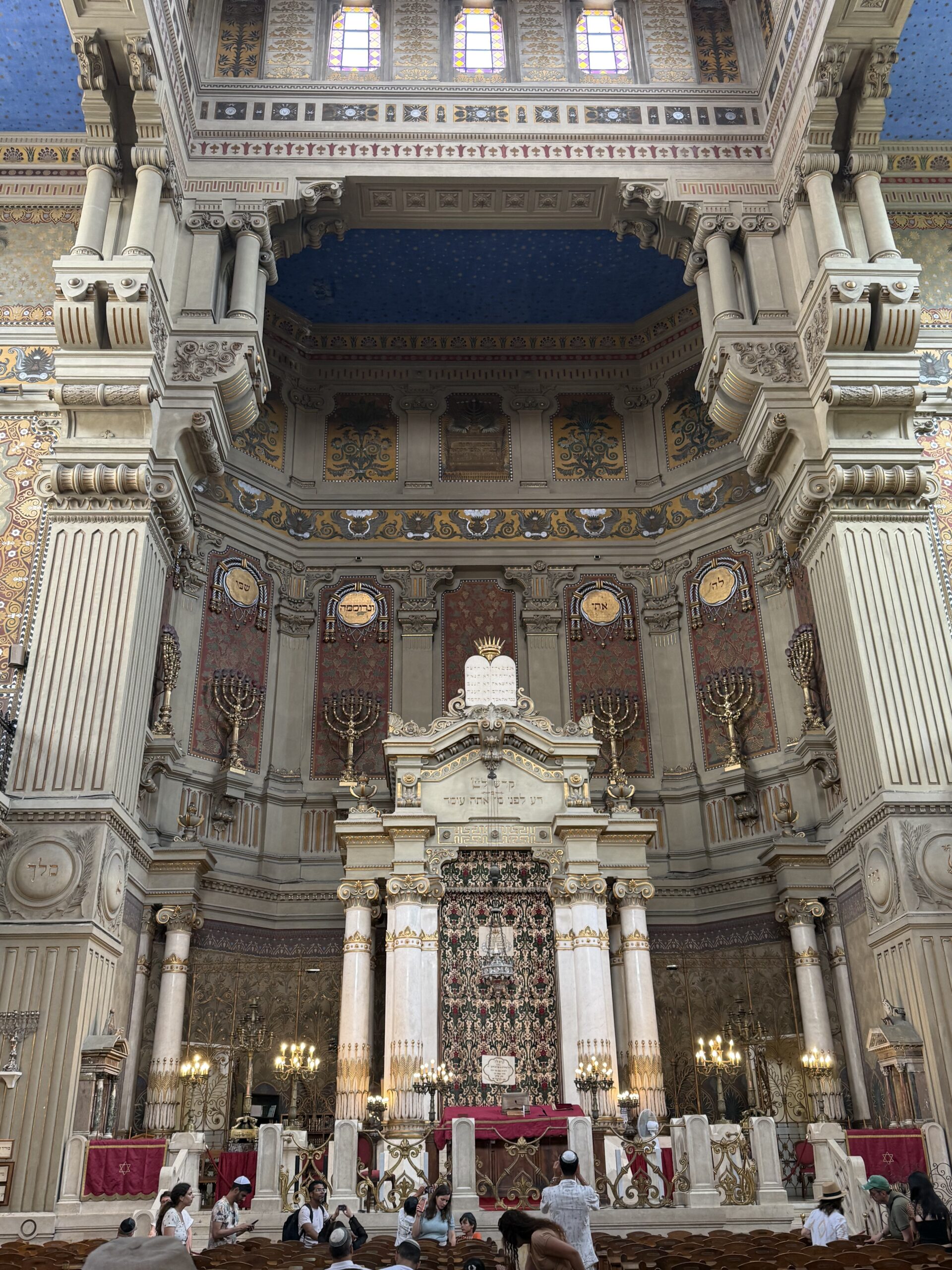
The construction of the Great Synagogue began in 1870, when the Italian Army captured Rome for the Kingdom of Italy, ending the Papal States. The Jews vowed to build the grandest synagogue, which opened in 1904.
The Nazis seized the Great Synagogue in October 1943, looting all the treasures and closing it down.
The Nazis rounded up between 1,000 and 2,000 Jews and transported them to Auschwitz. Only 16 survived.
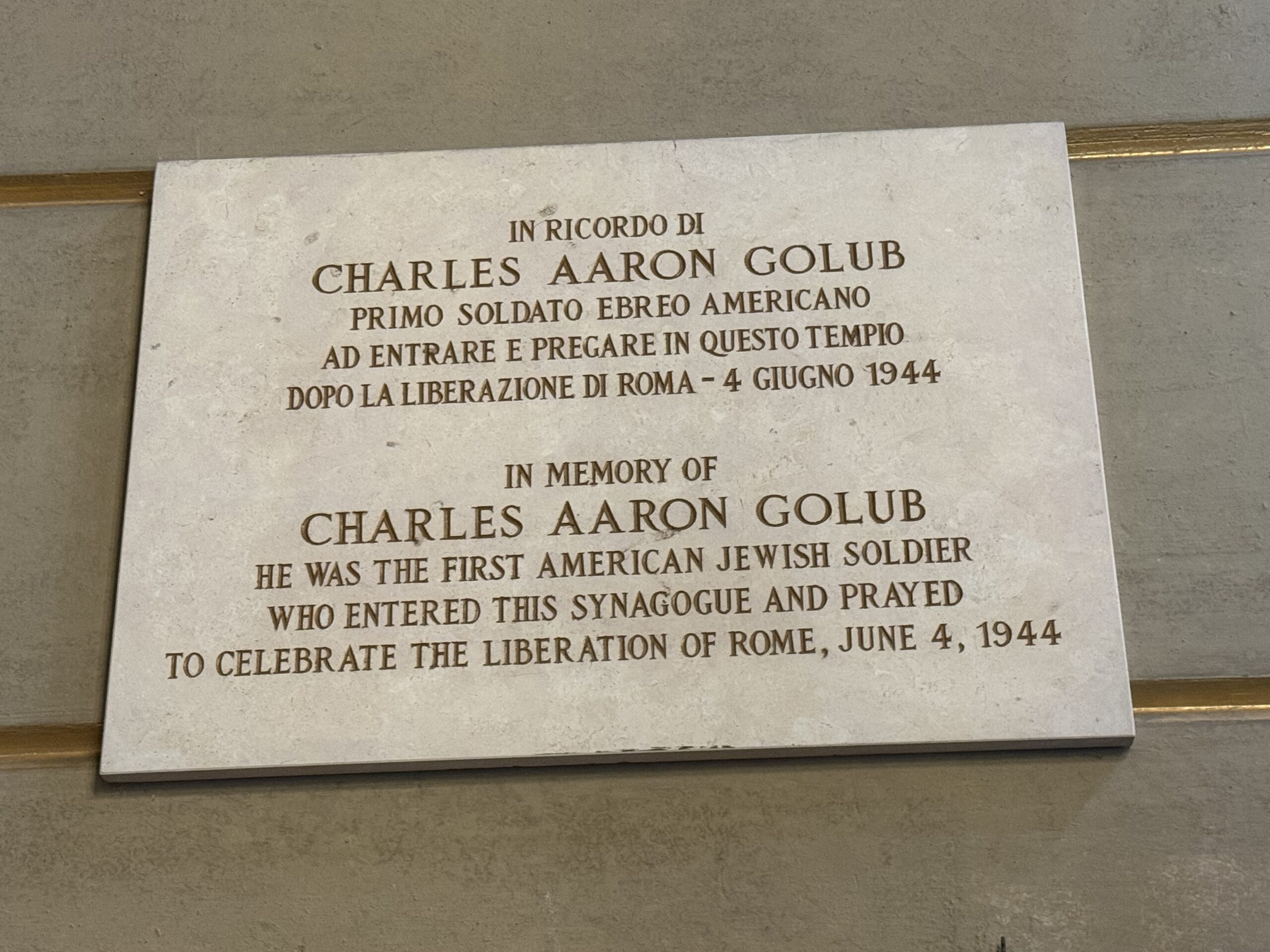
America liberated Rome from the Nazis on June 4th, 1944. They reopened the Great Synagogue on June 9, 1944.
Did you know the Jewish Quarter has ancient Roman ruins?
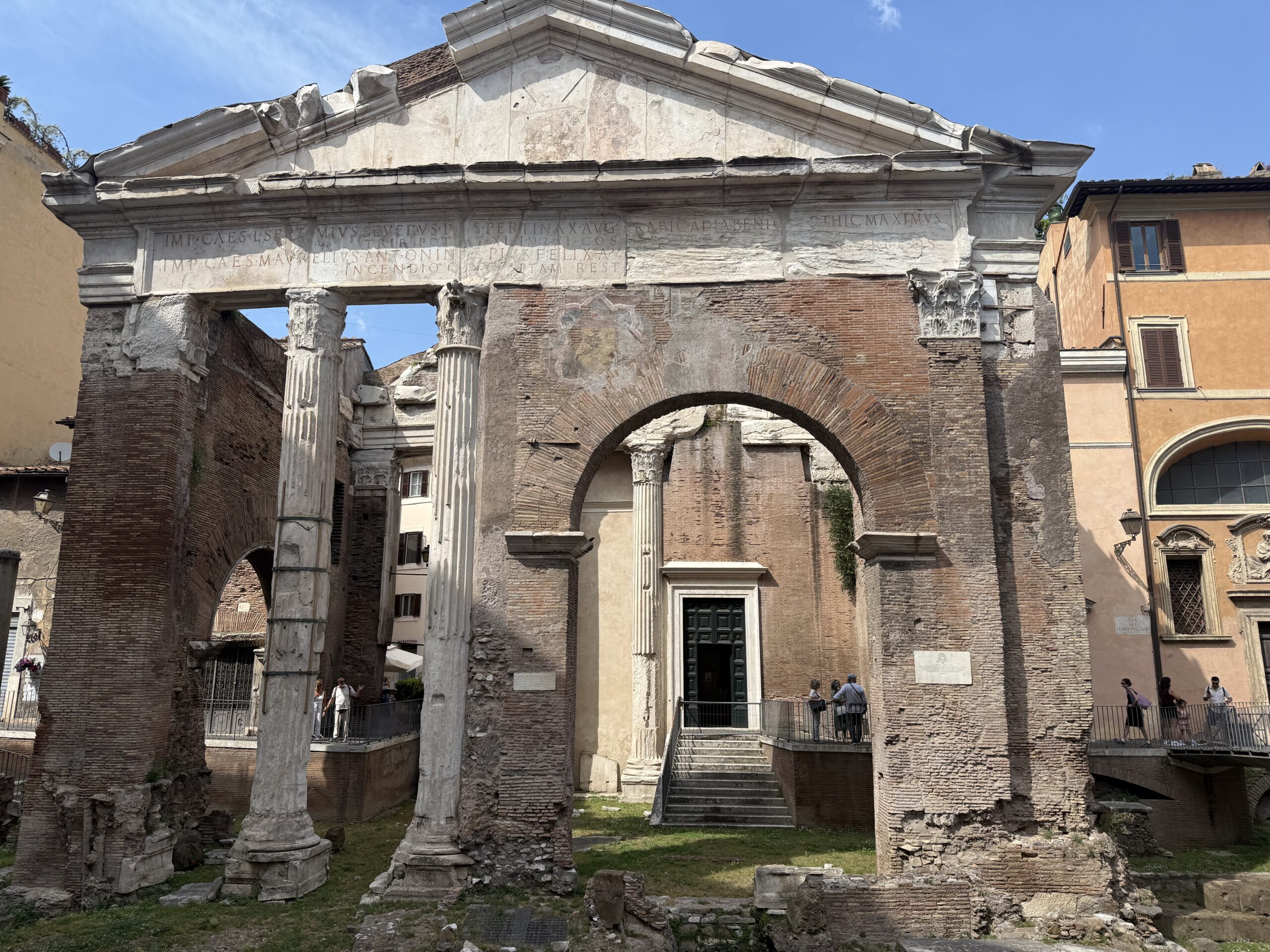
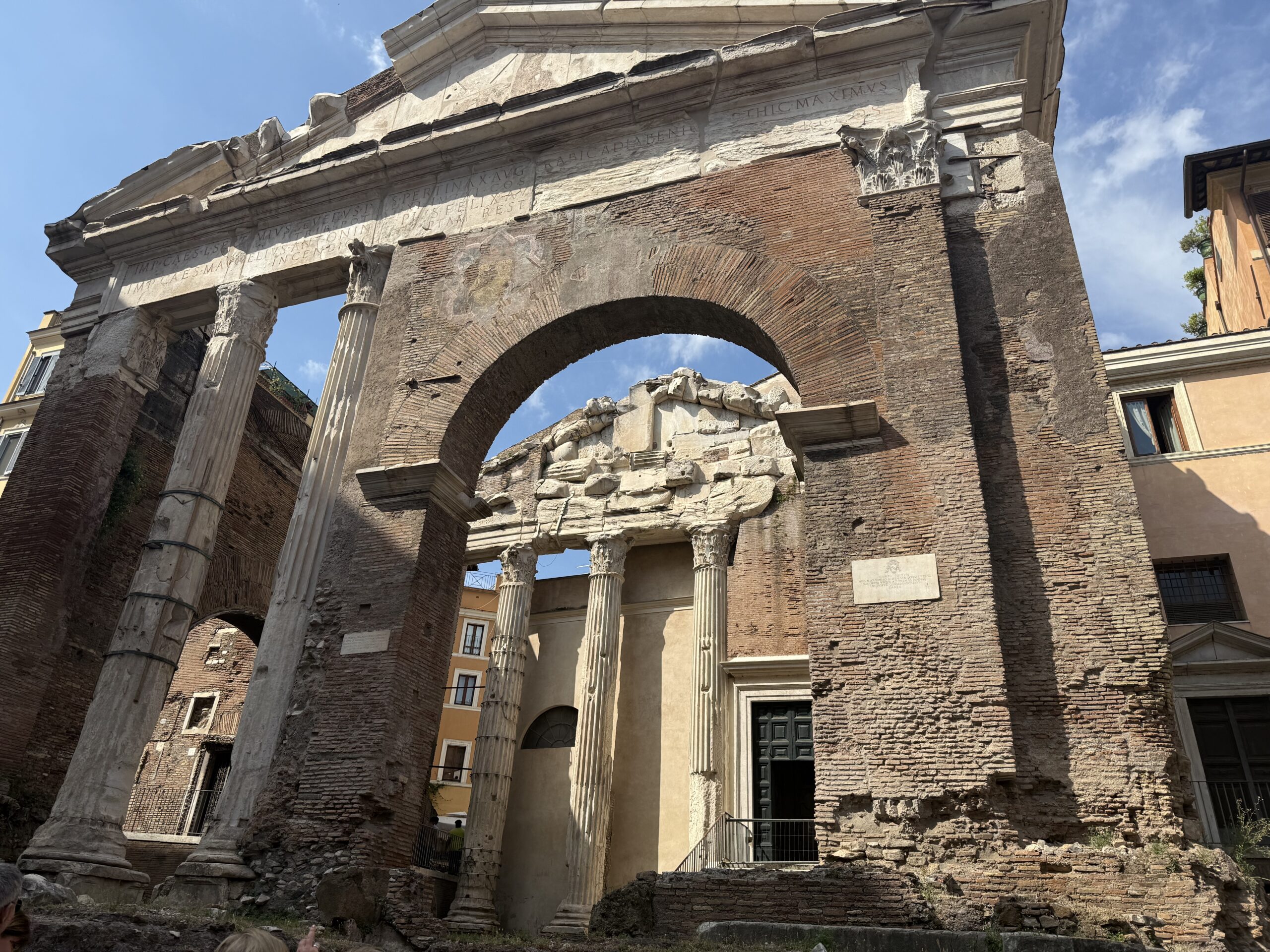
It houses the Portico of Octavia (Portico d’Ottavia), built between 27 and 23 BC by Augustus for his sister Octavia.
A fire burned it down in 191, but Septimius Severus rebuilt it in 203.
The portico overlooked Circus Flaminius and included the Temple of Juno Regina, the Temple of Jupiter Stator, and a Greek and Latin library.
The Temple of Apollo (431 BC) and the Temple of Bellona (296 BC), both of which held senate meetings. The senators would meet generals and foreign ambassadors who could not enter the city limits at Bellona.
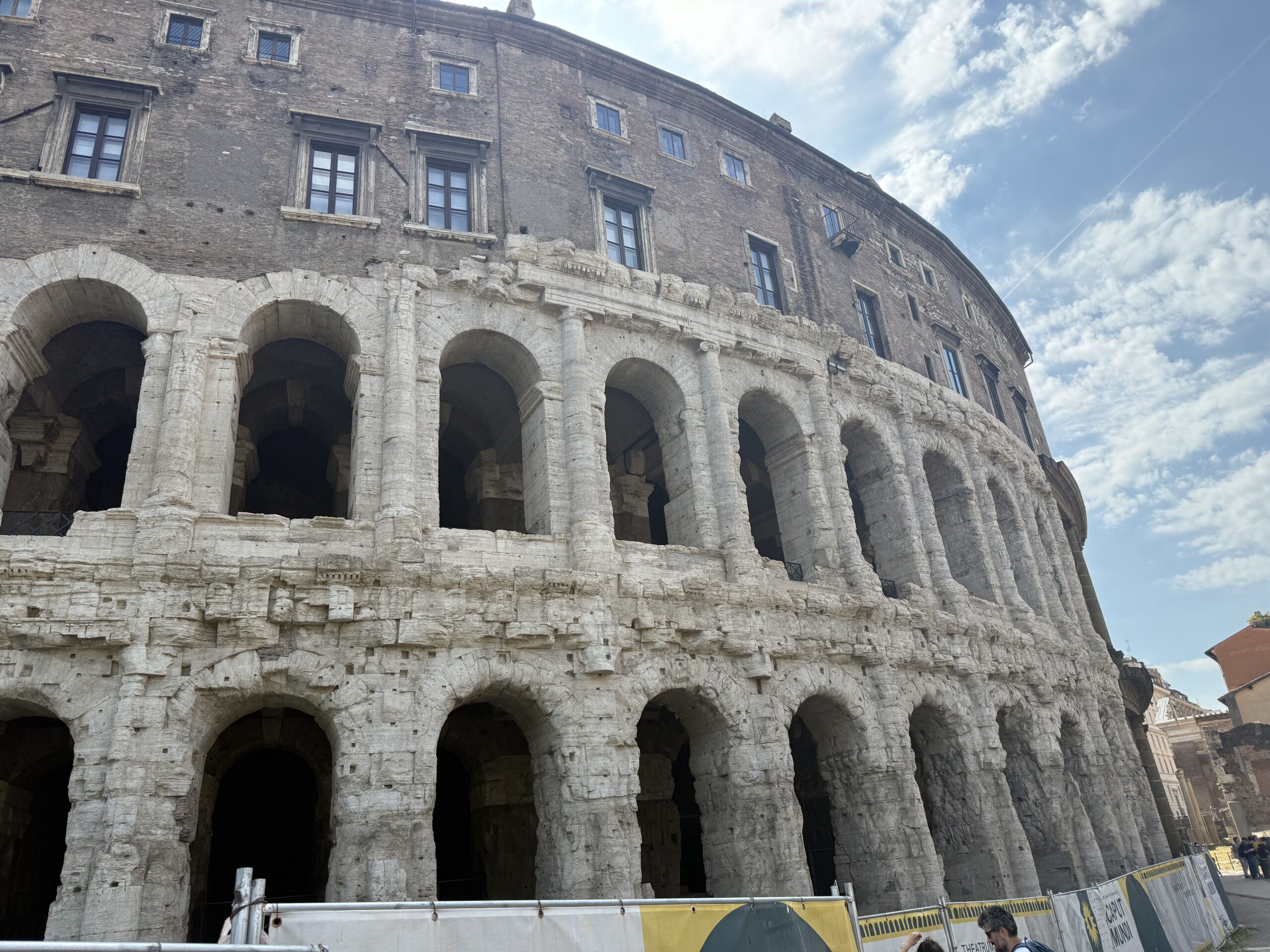
The Theater of Marcellus is an open-air theater similar to the Colosseum. Julius Caesar started the construction, but Augustus took over. He demolished what was built, making the area larger for a grander building.
Construction started in 17 BC and ended in 11 BC; it was dedicated to Marcus Claudius Marcellus, son of Octavia.
CLICK HERE FOR FULL VERSION OF THIS STORY